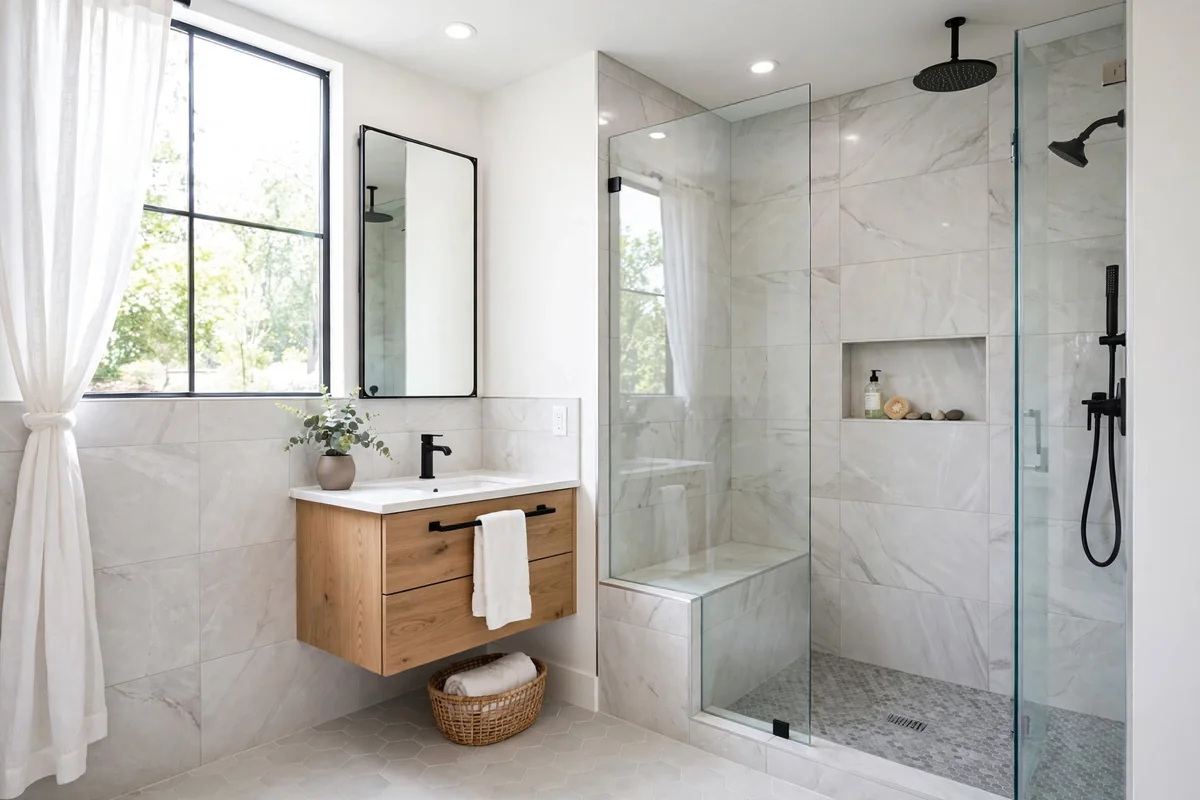
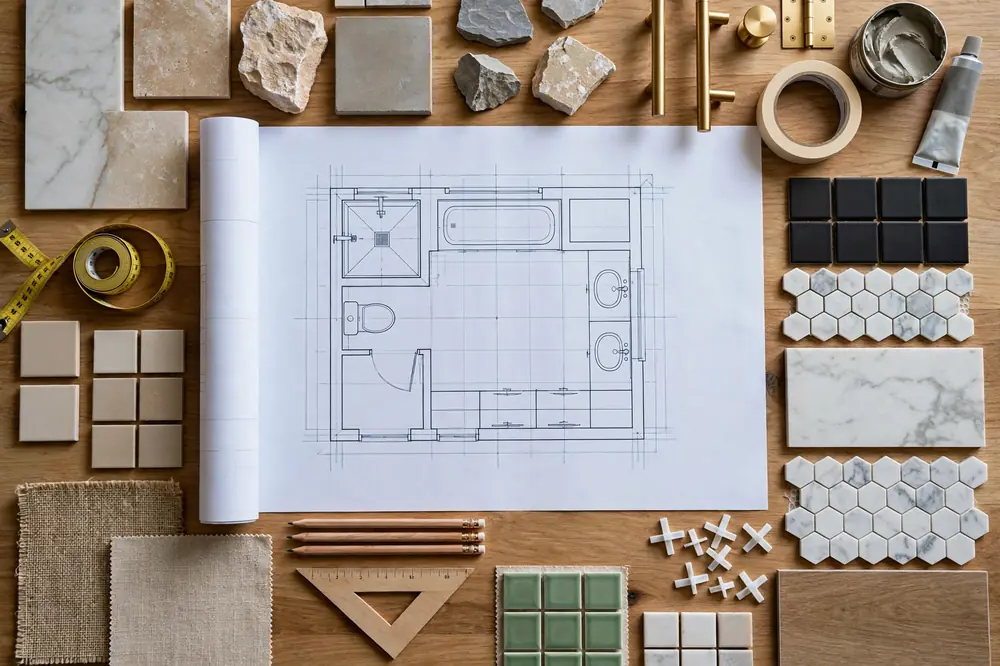
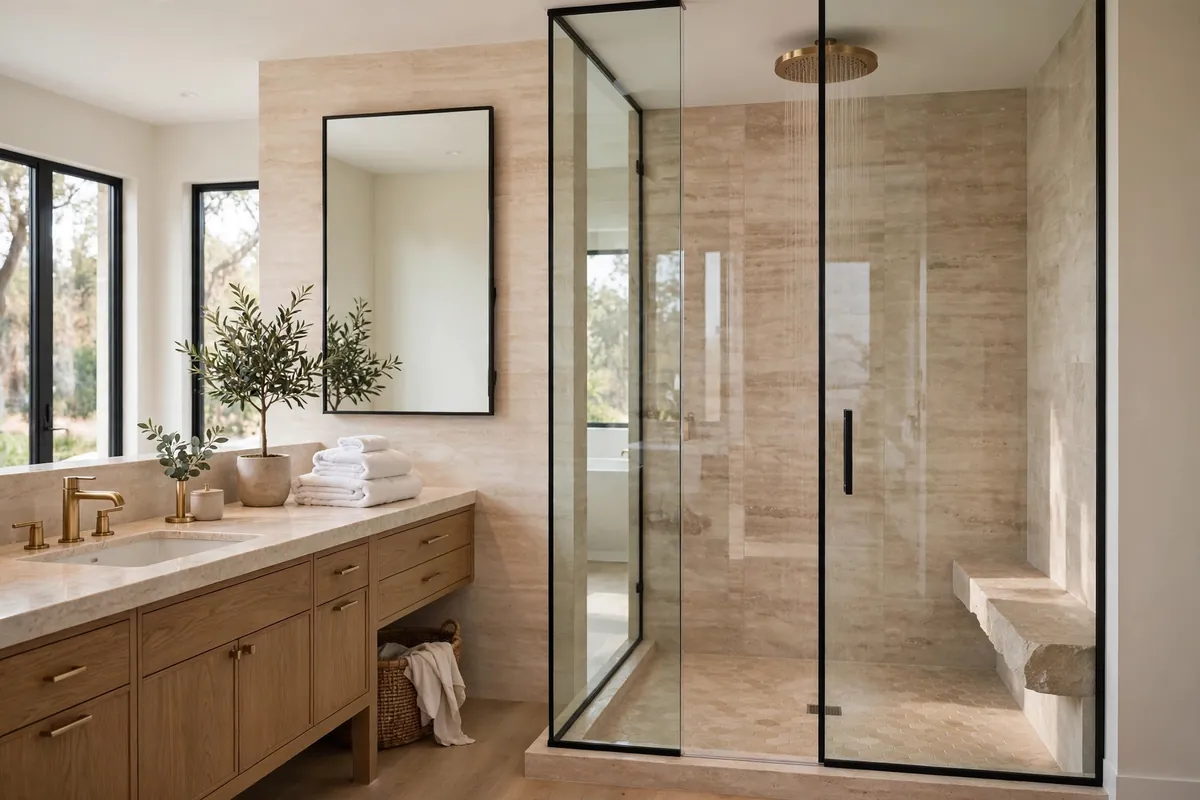
That old bathtub sits unused while you dream of a spacious shower. You are not alone — a large and growing share of USA homeowners never take baths, making the tub prime conversion territory. Understanding bathtub to shower conversion cost USA markets helps you budget this high-impact upgrade correctly. The average conversion runs $3,000 to $8,000 in 2026, ranging from $1,500 for a basic prefab swap to $12,000+ for a luxury custom tile shower.
Converting a tub to a shower frees floor space, improves accessibility, modernizes the bathroom, and aligns with how most Americans actually bathe. But it is not always the right move — removing the only tub in a family home can hurt resale. This guide covers the real bathtub to shower conversion cost, when conversion makes sense, and how to execute it well.
Average Bathtub to Shower Conversion Cost USA
The typical bathtub to shower conversion cost USA homeowners pay in 2026 is $5,500 for a midrange project: removing the existing tub and surround, installing a new shower base or custom tile shower, updating the valve and showerhead, installing a glass door or curtain rod, and finishing walls. This assumes plumbing stays roughly in place — the drain and water lines already serve the tub location.
Budget conversions using prefab shower kits run $1,500 to $3,500 installed. Midrange custom tile conversions cost $4,000 to $8,000. High-end conversions with luxury tile, frameless glass, multiple shower heads, and bench seating reach $8,000 to $12,000+. The spread reflects the same dynamics as walk-in shower installation cost USA — tile choice, glass, and fixtures drive variation.
Should You Convert? Key Considerations
Do convert if: no one in the household takes baths; the bathroom has another tub (master bath tub can go if the hall bath keeps one); accessibility is a priority (stepping over a tub wall is a fall risk for older adults); the tub is damaged and needs replacement anyway; you are updating a dated bathroom for your own long-term enjoyment.
Think twice if: this is the only tub in the house and you have young children (families with kids under 6 strongly prefer at least one tub); you plan to sell within 2–3 years in a family-oriented neighborhood (missing tubs narrow the buyer pool); the bathroom is tiny and the tub footprint cannot accommodate a comfortable shower.
The resale question dominates bathtub to shower conversion cost deliberations. Real estate data suggests: in master bathrooms, tub-to-shower conversions are generally neutral to positive for resale (most buyers prefer a great shower to an unused tub). In the only family bathroom, removing the tub can reduce buyer interest by 10–20% among family buyers. Know your market and your timeline.
Conversion Process: What Actually Happens
Demolition (1–2 days): Remove the tub, surround, and surrounding tile or wallboard. Cast-iron tubs are extremely heavy — professionals cut them into pieces for removal. Inspect the subfloor and wall framing for water damage; tubs often hide slow leaks that rotted structures over years. Repair any damage before proceeding ($200–$1,500 if found).
Plumbing rough-in (1 day): The tub drain (typically 1.5-inch) usually needs upsizing to a 2-inch shower drain per most USA codes. The valve height adjusts from tub-filler height to shower height. If you are adding body sprays or a rain head, supply lines may need upsizing. Plumbing modifications for conversion typically cost $500–$1,500 — modest because water already reaches the location. For broader plumbing context, see bathroom plumbing rough-in cost USA.
Waterproofing and base (1–3 days): Install the shower base (prefab pan $200–$800, custom tile mud pan $800–$2,000 including waterproofing membrane). This is the most critical phase — improper waterproofing causes catastrophic damage. Insist on a dedicated waterproofing system, flood-test before tiling, and never accept shortcuts here.
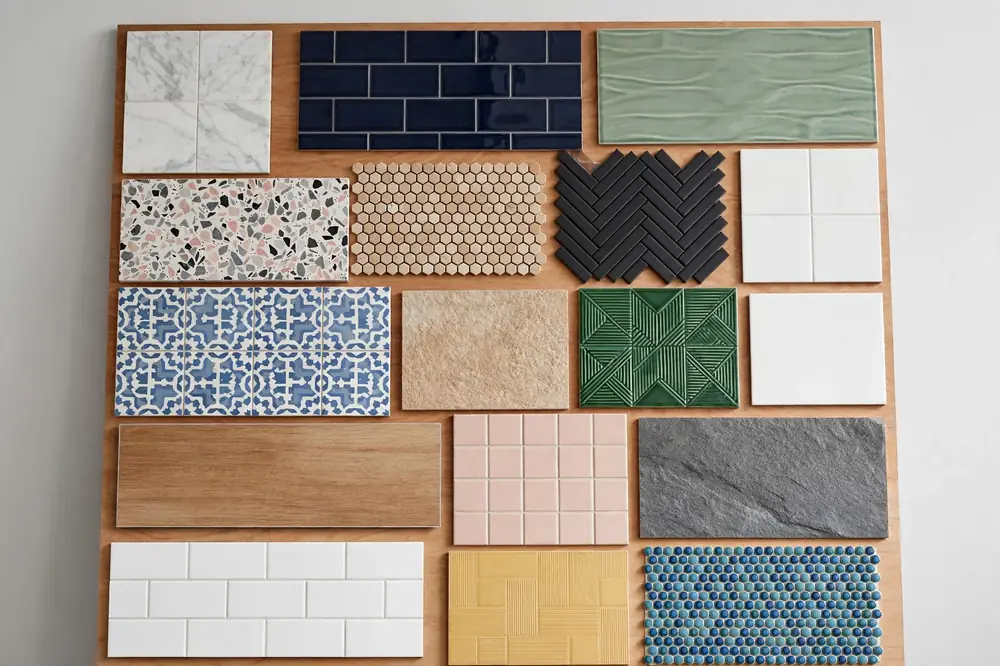
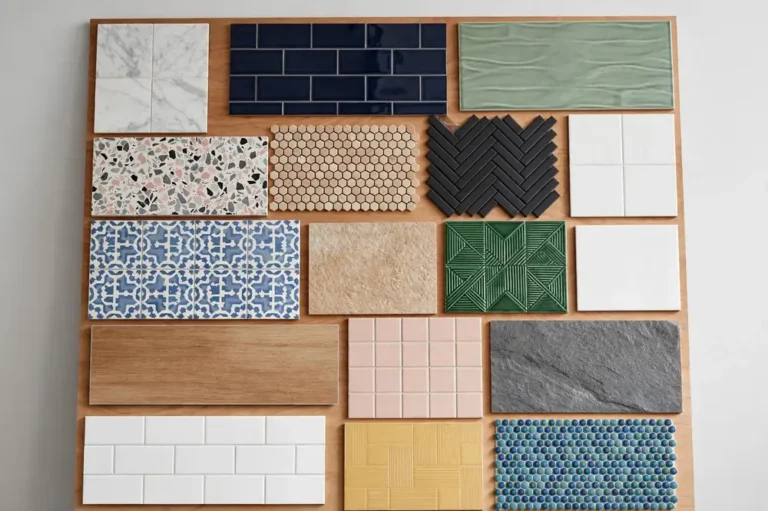
Walls and tile (3–7 days): Install backer board, waterproof, then tile walls. Tile selection drives both cost and timeline — large-format porcelain installs faster than intricate mosaic. See how to choose bathroom tile USA for material guidance.
Fixtures and glass (1–2 days): Install valve trim, showerhead, and glass enclosure or curtain rod. Final plumbing connections, caulking, and cleanup complete the project. Total timeline: 1–3 weeks for most conversions.
Prefab Kit vs. Custom Tile Conversion
Prefab shower kits ($1,500–$3,500 installed) include a molded base and wall panels that fit the standard 60-inch tub opening. Installation takes 2–4 days. Advantages: lowest bathtub to shower conversion cost, fastest timeline, inherently waterproof, easy to clean. Disadvantages: limited design options, can look less premium, fixed dimensions may not optimize the space.
Custom tile showers ($4,000–$10,000 installed) offer unlimited design freedom, better long-term value perception, and the ability to add benches, niches, and custom features. They take 2–3 weeks and cost substantially more. For owner-occupied homes where you will enjoy the result daily, custom tile usually justifies its premium — the shower becomes a bathroom centerpiece rather than a functional afterthought.
Accessibility Upgrades During Conversion
Tub-to-shower conversions are the ideal moment to add accessibility features, whether for current needs or future-proofing. A curbless or low-threshold entry ($1,000–$3,000 extra for floor restructuring) eliminates the step-over barrier. Grab bars ($100–$300 installed each, with proper wall blocking) provide stability. A fold-down or built-in bench ($300–$800) enables seated showering. Handheld shower wands ($150–$400) assist all users.
These features add modest cost during conversion but would cost far more as standalone retrofits later. They also broaden resale appeal as USA buyers increasingly value universal design. Our accessible bathroom design USA guide covers the full spectrum of age-friendly bathroom features.
How to Save on Conversion Costs
Choose prefab if budget is tight. A quality prefab conversion at $2,500 looks infinitely better than a dated, stained tub — and leaves budget for other bathroom updates.
Keep it simple with tile. Large-format porcelain ($6–$12/sq ft installed) delivers a premium look at moderate cost. Save accent tile for a single feature strip or niche rather than entire walls.
Reuse the valve location. Keeping the shower valve on the same wall as the old tub filler avoids opening additional walls for plumbing rerouting.
Do your own demolition. Tub removal is labor-intensive but straightforward — save $400–$800 with careful DIY demolition. Wear proper safety gear; tubs are heavy and wallboard is dusty.
Skip the glass initially. A quality shower curtain ($30–$80) works fine while you save for frameless glass later. This phases the bathtub to shower conversion cost without compromising the core upgrade.
Plumbing Code Requirements for Conversions
Tub-to-shower conversions must meet current USA plumbing codes — which may have changed since your bathroom was built. Key requirements: shower drains must be minimum 2 inches (most tub drains are 1.5 inches, requiring upsizing); shower valves must be pressure-balancing or thermostatic anti-scald type (older two-handle tub valves often do not comply); and the shower compartment must meet minimum size (30×30 inches, though most codes and comfort demand larger).
Your contractor pulls permits and schedules inspections — verify this explicitly, as unpermitted bathroom plumbing creates insurance and resale nightmares. The permit process also catches code issues before they become expensive corrections. If your home’s plumbing is aging overall, conversion is an opportune moment to assess broader needs covered in repiping a house cost in USA 2026 or bathroom plumbing rough-in cost USA.
Design Tips for Converted Showers
A 60-inch tub opening converts naturally to a 60×30 or 60×32-inch shower — comfortable but not spacious. To maximize the feel: use large-format tile or solid-surface panels to minimize grout lines, install a frameless glass panel rather than a framed door (visual openness), choose a light color palette, and add a recessed niche for storage instead of protruding caddies.
Consider extending the shower beyond the tub footprint if adjacent space allows — stealing 6–12 inches from a neighboring closet or vanity area can transform a tight shower into a luxurious one. This requires more extensive work (floor and wall reconfiguration) but dramatically improves the result. Discuss possibilities with your contractor during planning; the incremental bathtub to shower conversion cost of a slightly larger shower is modest compared to the comfort gain. Tile guidance in how to choose bathroom tile USA helps finalize the aesthetic.
Resale Strategy: Document Your Conversion
If resale is a future consideration, document your conversion thoroughly: permits, inspection sign-offs, contractor invoices, and before/after photos. This paper trail reassures buyers that the work was professional and code-compliant — addressing the unspoken concern that often depresses offers on converted bathrooms.
Stage the finished shower for listing photos: fresh white towels, a small plant, quality soap dispensers. These $50 touches make the shower photograph as the spa-like retreat buyers desire. And keep at least one tub elsewhere in the house if your market includes young families — the strategic wisdom from our bathtub to shower conversion cost USA analysis holds: convert boldly in the master, preserve cautiously in the family bath.
While planning your conversion, also review bathroom ventilation requirements, water heater replacement costs, and full bathroom remodel budgets for a complete project picture.
Frequently Asked Questions
Does converting a tub to a shower hurt resale value?
It depends. In master bathrooms, usually neutral to positive. In the only bathroom of a family home, it can reduce appeal to buyers with young children. If your home has at least one other tub, conversion rarely hurts value — and often helps by modernizing the bathroom.
How long does a tub to shower conversion take?
Prefab kit: 3–5 days. Custom tile: 2–3 weeks. Add time for any subfloor or framing repairs discovered during demolition, which are common around old tubs.
Can I convert a tub to a shower myself?
Partially. DIYers can handle demolition, and some install prefab kits. But plumbing modifications, waterproofing, and tile work demand professional skill — mistakes cause water damage costing far more than professional installation. The smart DIY boundary: demo yourself, hire pros for everything after.
The bathtub to shower conversion cost USA investment transforms both daily life and bathroom appeal. Whether you choose an efficient prefab or a stunning custom tile shower, proper waterproofing and professional plumbing ensure your conversion serves beautifully for decades — one luxurious shower at a time.