
If you are planning a trip and wondering about the top ten places to visit in Quebec, the best choices depend on the kind of experience you want. Some destinations are ideal for history and architecture, while others are better suited to hiking, scenic drives, wildlife, skiing, or relaxing by the St. Lawrence River.
This guide highlights ten destinations that can help you build a well-rounded Quebec itinerary, whether you are visiting for a weekend, planning a road trip, or exploring the province over a longer vacation.
1. Quebec City
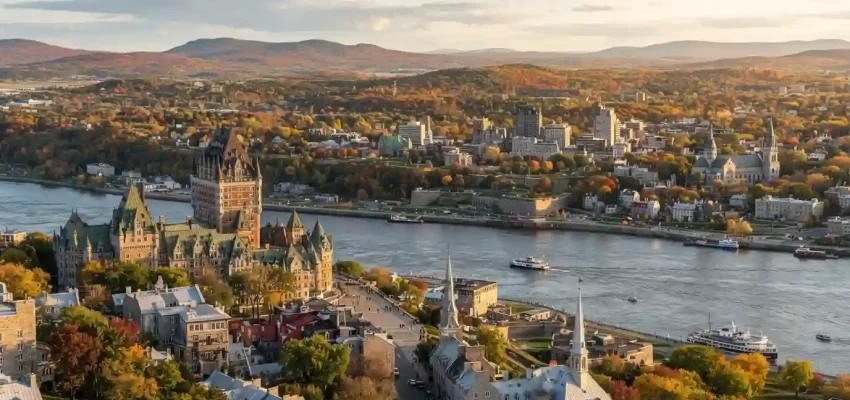
Quebec City is an obvious starting point for anyone exploring the province. Its historic core combines stone buildings, narrow streets, fortified walls, public squares, and river views in a setting that feels distinctly different from most North American cities.
Quebec City is particularly appealing to travelers interested in history and architecture. Old Quebec is the heart of the experience, with landmarks such as Château Frontenac, Dufferin Terrace, the fortifications, and the Petit-Champlain district creating a walkable sightseeing route.
Allow enough time to explore beyond the busiest streets. Small cafés, local shops, museums, viewpoints, and residential neighborhoods provide a better sense of the city’s character. A winter visit can also transform Quebec City into a completely different destination, with snow-covered architecture and seasonal activities.
2. Montreal
Montreal offers a more urban and contemporary side of Quebec. It is a strong choice for travelers who enjoy food, museums, neighborhoods, shopping, festivals, architecture, and nightlife.
Old Montreal provides historic streets and waterfront scenery, while Mount Royal gives visitors an opportunity to escape the city center and enjoy elevated views. Food is another major reason to visit, with local specialties and diverse international cuisine available throughout the city.
Travelers interested in combining Canadian city experiences can also explore other destinations featured in our guide to good places to visit in London when planning a broader international itinerary.
Montreal works especially well as part of a multi-city Quebec trip because its atmosphere contrasts so strongly with the historic character of Quebec City and the natural landscapes found farther outside the metropolitan area.
3. Mont-Tremblant
Mont-Tremblant is one of Quebec’s best-known mountain destinations and is worth considering in every season. During winter, the area attracts skiers and snowboarders, while summer and fall bring opportunities for hiking, cycling, kayaking, sightseeing, and scenic drives.
The pedestrian village at the base of the mountain provides restaurants, cafés, shops, and accommodation close to outdoor activities. Travelers who prefer nature can venture farther into the surrounding Laurentian landscape for trails and lakes.
Mont-Tremblant is particularly attractive during autumn when the surrounding forests take on vibrant seasonal colors. If you enjoy fall scenery, you may also want to explore our guide to the best places to visit during fall in California for comparison with another popular foliage destination.
4. Charlevoix
Charlevoix is an excellent choice for travelers who want scenic landscapes without giving up good food, charming communities, and comfortable places to stay. The region stretches along the St. Lawrence River and is known for its combination of mountains, forests, villages, farms, and coastal scenery.
The area is well suited to road trips because the journey between destinations is part of the experience. Stop at viewpoints, explore small communities, try regional food, and spend time outdoors rather than rushing from one attraction to another.
Charlevoix is also a useful addition to an itinerary that already includes Quebec City. Its proximity makes it possible to experience historic urban attractions and dramatic natural scenery during the same trip.
5. Saguenay–Lac-Saint-Jean
Saguenay–Lac-Saint-Jean offers a different type of Quebec experience, with expansive forests, waterways, outdoor recreation, and distinctive regional culture. It is especially appealing to travelers who prefer spending time in nature rather than concentrating on major cities.
The region provides opportunities for hiking, kayaking, cycling, camping, fishing, and scenic drives. Lac Saint-Jean itself is a major attraction, while the Saguenay area provides access to dramatic landscapes and outdoor activities.
Because the region covers a large area, it is better suited to travelers with several days available. A slower itinerary allows you to enjoy the scenery instead of treating the destination as a quick stop.
6. Gaspésie
Gaspésie is one of the best destinations in Quebec for travelers looking for coastal scenery, rugged landscapes, outdoor adventures, and a memorable road-trip experience. The peninsula extends into the Gulf of St. Lawrence and combines mountains with dramatic shoreline views.
For many visitors, the highlight is the opportunity to explore the area’s parks and coastal viewpoints. Hiking routes can range from relatively easy walks to demanding mountain adventures, making it possible to tailor the experience to your fitness level.
Gaspésie is also a good destination for travelers who enjoy scenic drives. Rather than focusing on one attraction, the appeal comes from the combination of landscapes, small communities, food stops, viewpoints, and outdoor activities encountered along the route.
7. Eastern Townships
The Eastern Townships offer a relaxed combination of countryside, small towns, lakes, farms, wineries, and outdoor recreation. The region is particularly appealing for couples, families, and travelers who want to experience a slower side of Quebec.
Summer is ideal for hiking, cycling, water activities, and exploring local communities. Fall brings colorful foliage, while winter creates opportunities for skiing and other cold-weather activities.
The area can also work well as a short escape from Montreal. Instead of planning a tightly packed sightseeing schedule, visitors can build a trip around scenic roads, local food, nature, and quiet accommodation.
8. Île d’Orléans
Just outside Quebec City, Île d’Orléans provides a convenient opportunity to experience rural Quebec without traveling deep into the province. The island is known for its agricultural heritage, historic buildings, farms, local products, and scenic views of the St. Lawrence River.
It is a particularly good option for travelers who have already explored the main attractions of Quebec City and want to add a countryside experience to their itinerary.
Driving around the island allows visitors to discover small communities and stop at local producers along the way. Depending on the season, you may find fresh produce, berries, baked goods, maple products, and other regional specialties.
If you enjoy destinations that combine scenery and local character, you may also appreciate our guide to the best places to visit in Ella, Sri Lanka when planning future international travel.
9. La Mauricie National Park
La Mauricie National Park is an excellent choice for travelers who want to experience Quebec’s forests and lakes. The park offers a natural setting for hiking, canoeing, camping, wildlife observation, and scenic photography.
Its network of waterways makes it especially attractive for visitors who enjoy paddling and quiet outdoor experiences. Hiking trails range from shorter routes to more demanding excursions, allowing travelers to choose activities based on their available time and experience.
La Mauricie is also a strong option for families looking for an outdoor destination where they can combine sightseeing with active recreation.
10. Tadoussac
Tadoussac is one of Quebec’s most distinctive destinations because of its location where the Saguenay River meets the St. Lawrence River. The area is especially famous for marine wildlife and is a popular destination for whale-watching excursions.
The town itself has a relaxed coastal atmosphere, while nearby landscapes provide opportunities for hiking, photography, kayaking, and wildlife observation. The best experience depends heavily on the season, so travelers should consider timing when planning their visit.
Tadoussac can also be incorporated into a larger Quebec road trip, particularly for visitors traveling toward the north shore and Saguenay region.
How to Choose the Best Places to Visit in Quebec
Choosing between these destinations depends largely on the type of trip you want. If this is your first visit, Quebec City and Montreal provide the strongest introduction to the province’s history, culture, food, and urban life.
If outdoor activities are your priority, consider Mont-Tremblant, La Mauricie, Saguenay–Lac-Saint-Jean, or Gaspésie. Travelers looking for scenic drives and smaller communities may prefer Charlevoix, the Eastern Townships, or Île d’Orléans.
You can also compare Quebec with other destinations before deciding on your next trip. Our guides covering the best places to visit in Oregon, the best places to visit in Austria, and the best places to visit in Colombia provide additional travel inspiration.
Best Time to Visit Quebec
Quebec can be visited throughout the year, but each season offers a different experience.
- Spring: A good period for quieter travel, emerging greenery, and seasonal food experiences.
- Summer: Ideal for road trips, hiking, water activities, festivals, and sightseeing.
- Fall: Excellent for colorful foliage, scenic drives, hiking, and photography.
- Winter: Best for skiing, snow activities, winter scenery, and seasonal city experiences.
Travelers who specifically enjoy seasonal trips can also explore places to visit in the US in fall and top places to visit in the summer for alternative ideas.
How Many Days Do You Need in Quebec?
A long weekend can cover the highlights of Quebec City or Montreal, but a longer trip is better if you want to explore several regions.
For a first-time trip, five to seven days can provide enough time to combine Quebec City, Montreal, and one nearby destination. A week or more allows you to add places such as Charlevoix, Mont-Tremblant, or the Eastern Townships.
For a larger road trip involving Gaspésie, Saguenay–Lac-Saint-Jean, or Tadoussac, plan additional time. Quebec is geographically large, and trying to cover too much in a short period can turn a relaxing vacation into a long series of drives.
Tips for Planning a Quebec Trip
Start by deciding whether your priority is cities, nature, food, history, or a combination of these experiences. Then group destinations geographically rather than moving back and forth across the province.
Reserve popular accommodation ahead of time during summer and major holiday periods. Outdoor destinations can become particularly busy during peak seasons, while winter resorts may have limited availability around holidays and weekends.
If you are traveling by car, allow extra time for scenic stops. Some of the most memorable experiences in Quebec come from viewpoints, small towns, local restaurants, and natural areas that are not necessarily the headline attraction.
Travelers who enjoy comparing destinations can also explore top places to visit outside the US, the best places to visit in South Europe, and popular places to visit in Norway when planning future trips.
Final Thoughts
The top ten places to visit in Quebec demonstrate just how diverse the province can be. Quebec City delivers history and architecture, Montreal brings culture and urban energy, while Mont-Tremblant, La Mauricie, Gaspésie, and Saguenay–Lac-Saint-Jean provide memorable outdoor experiences.
Charlevoix, the Eastern Townships, Île d’Orléans, and Tadoussac add scenic drives, local culture, rural landscapes, and wildlife experiences to the mix. Instead of trying to see everything in one trip, choose destinations that match your interests and give yourself enough time to enjoy each one.
Whether you are planning a short city break or a longer Canadian road trip, Quebec offers enough variety to make almost any travel style possible.