
But deciding where to go can be difficult. Southern Europe covers a wide range of landscapes and cultures, so the best destination depends on what you want from your trip. Some travelers prioritize beaches and islands, while others want historic cities, outdoor adventures, architecture, food, or a slower pace.
This guide explores some of the best places to visit in Southern Europe, with practical ideas for choosing destinations and building a memorable itinerary.
What Makes Southern Europe Worth Visiting?
Southern Europe is especially appealing because several different travel experiences can be combined within one region. You can spend a few days exploring ancient architecture, move to a coastal town, and then finish your trip on an island without completely changing the character of your vacation.
The region is known for historic cities, Mediterranean and Atlantic coastlines, distinctive regional cuisines, colorful neighborhoods, cultural landmarks, and outdoor scenery. Travelers interested in nature can also explore mountains, national parks, islands, and coastal landscapes.
If you are comparing Southern Europe with other international destinations, our guide to places to visit outside the United States can provide additional inspiration.
1. Rome, Italy
Rome is one of the strongest choices for travelers who want history and culture at the center of their vacation. The Italian capital combines ancient ruins, grand public squares, museums, churches, fountains, and lively neighborhoods in a city that rewards both structured sightseeing and spontaneous exploration.
The Colosseum, Roman Forum, Pantheon, Trevi Fountain, and Vatican area are among the major attractions, but Rome is also about the smaller experiences between landmarks. Walking through historic streets, stopping at a neighborhood café, and enjoying traditional Italian food can become just as memorable as checking major attractions off your list.
Travelers watching their budget can also compare regional costs with our guide on whether Italy is an expensive place to visit.
2. Barcelona, Spain
Barcelona combines Mediterranean beaches with distinctive architecture, food, art, and urban energy. It is an excellent choice for travelers who want a city vacation without giving up access to the coast.
Gaudí’s architectural legacy is one of the city’s defining features, while neighborhoods such as the Gothic Quarter offer a very different atmosphere. Visitors can spend the morning exploring historic streets, enjoy lunch at a local restaurant, and finish the day near the Mediterranean.
Barcelona also works well as a starting point for exploring other parts of Spain, especially if you want to combine city sightseeing with coastal or regional travel.
3. Seville and Southern Spain
Southern Spain offers a different experience from Barcelona and Madrid. Seville, Granada, Córdoba, and other destinations in Andalusia combine Spanish traditions with architectural influences shaped by centuries of history.
Seville is particularly appealing for travelers interested in historic neighborhoods, plazas, gardens, architecture, food, and cultural experiences. Granada adds another major highlight with the Alhambra and its surrounding historic districts.
If your itinerary focuses specifically on this region, explore our guide to the best places to visit in southern Spain.
Southern Spain is also a good option for travelers who want to combine cultural sightseeing with beaches and warm-weather activities.
4. Santorini, Greece
Santorini is one of the most recognizable island destinations in Southern Europe. Its whitewashed buildings, blue-domed churches, volcanic landscape, cliffside villages, and views across the caldera create an unmistakable setting.
The island is particularly popular with couples, honeymooners, photographers, and travelers looking for spectacular scenery. Oia is famous for its sunset views, while Fira offers restaurants, shops, and access to some of the island’s most dramatic viewpoints.
For a more focused look at this destination, see our guide to the top places to visit in Santorini.
Because Santorini can become extremely busy during peak travel periods, travelers who prefer a quieter experience should consider shoulder-season travel and explore beyond the most famous viewpoints.
5. Athens, Greece
Athens is a natural choice for travelers who want to experience ancient history while still enjoying a modern European city. The Acropolis and Parthenon dominate many first-time itineraries, but the city offers much more than archaeological landmarks.
Historic neighborhoods, museums, markets, restaurants, viewpoints, and lively streets make Athens a destination that can easily fill several days. It can also serve as a gateway to the Greek islands.
If Greece is high on your travel list, our article on why Greece is considered such a popular place to visit offers another perspective on the country’s attractions.
6. Lisbon, Portugal
Lisbon is one of Southern Europe’s most appealing city destinations for travelers who want history, architecture, food, and a relaxed atmosphere. Its hills create viewpoints across the city, while historic neighborhoods are filled with tiled façades, narrow streets, cafés, and traditional buildings.
The city is also well positioned for day trips and longer journeys through Portugal. Travelers can combine Lisbon with coastal destinations, historic towns, wine regions, or the Algarve.
Portugal can be particularly attractive for travelers looking for a European vacation that balances urban exploration with access to beaches and countryside.
7. Dubrovnik, Croatia
Dubrovnik is one of the most spectacular destinations on the Adriatic coast. Its historic Old Town is surrounded by massive stone walls and overlooks clear blue waters, creating a dramatic combination of history and scenery.
Walking along the historic walls provides sweeping views of the city and coastline. Inside the Old Town, visitors can explore stone streets, historic buildings, squares, churches, restaurants, and small shops.
Croatia is also a strong choice for travelers interested in island-hopping, coastal road trips, and combining historic towns with beach destinations.
8. Valletta and Malta
Malta offers a compact Southern European experience with historic architecture, Mediterranean scenery, and easy access to coastal attractions. Valletta is an excellent base for travelers interested in history, culture, and architecture.
The country’s relatively small size makes it possible to combine several different experiences during a single trip. Visitors can explore historic sites in the morning and spend the afternoon near the water.
If Malta interests you, check out our guide covering the best places to visit in Malta.
9. Amalfi Coast, Italy
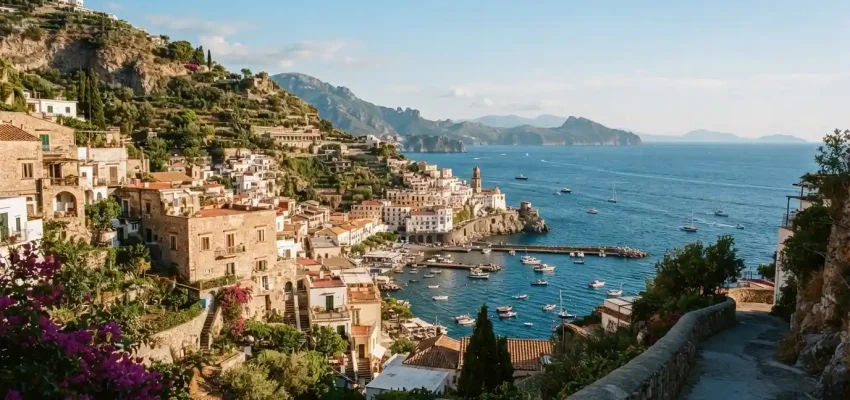
The Amalfi Coast is one of Italy’s most visually impressive coastal regions. Towns built into steep cliffs overlook the Mediterranean, while winding roads connect viewpoints, beaches, restaurants, and historic communities.
Positano, Amalfi, and Ravello are among the best-known stops, but part of the appeal comes from simply experiencing the coastline at a slower pace.
The region is especially attractive for couples and travelers who want scenery, food, coastal walks, and memorable accommodations. Because roads and parking can become challenging during busy periods, careful planning is worthwhile.
10. Sicily, Italy
Sicily provides a broader and more varied experience than a traditional Italian city break. The island combines ancient history, beaches, volcanic landscapes, historic towns, regional cuisine, and distinctive cultural traditions.
Travelers can explore cities such as Palermo and Catania, visit archaeological sites, discover smaller coastal communities, or use the island as a base for outdoor adventures.
Sicily works particularly well for longer vacations because its different regions have their own character. Rather than trying to see everything quickly, consider choosing a few areas and exploring them thoroughly.
11. Nice and the French Mediterranean
Nice offers an attractive combination of Mediterranean scenery, historic architecture, markets, museums, and an energetic waterfront. Its location also makes it useful for travelers interested in exploring other parts of the French Riviera.
The city works well for travelers who want a European coastal destination without focusing exclusively on beach time. You can spend part of the day exploring the old town and then walk along the waterfront or visit nearby towns.
For travelers building a broader European itinerary, Southern France can also complement trips through Italy and other Mediterranean destinations.
12. Geneva, Switzerland
Geneva sits near the southern edge of Europe geographically and makes an interesting addition to a wider European itinerary. The city combines lake scenery, international culture, historic streets, museums, and access to Alpine landscapes.
It is particularly appealing for travelers who want to combine city sightseeing with outdoor scenery. Geneva can also serve as a useful stop between destinations in France, Switzerland, and northern Italy.
Our guide to the top places to visit in Geneva can help you explore the city in more detail.
13. Vienna, Austria
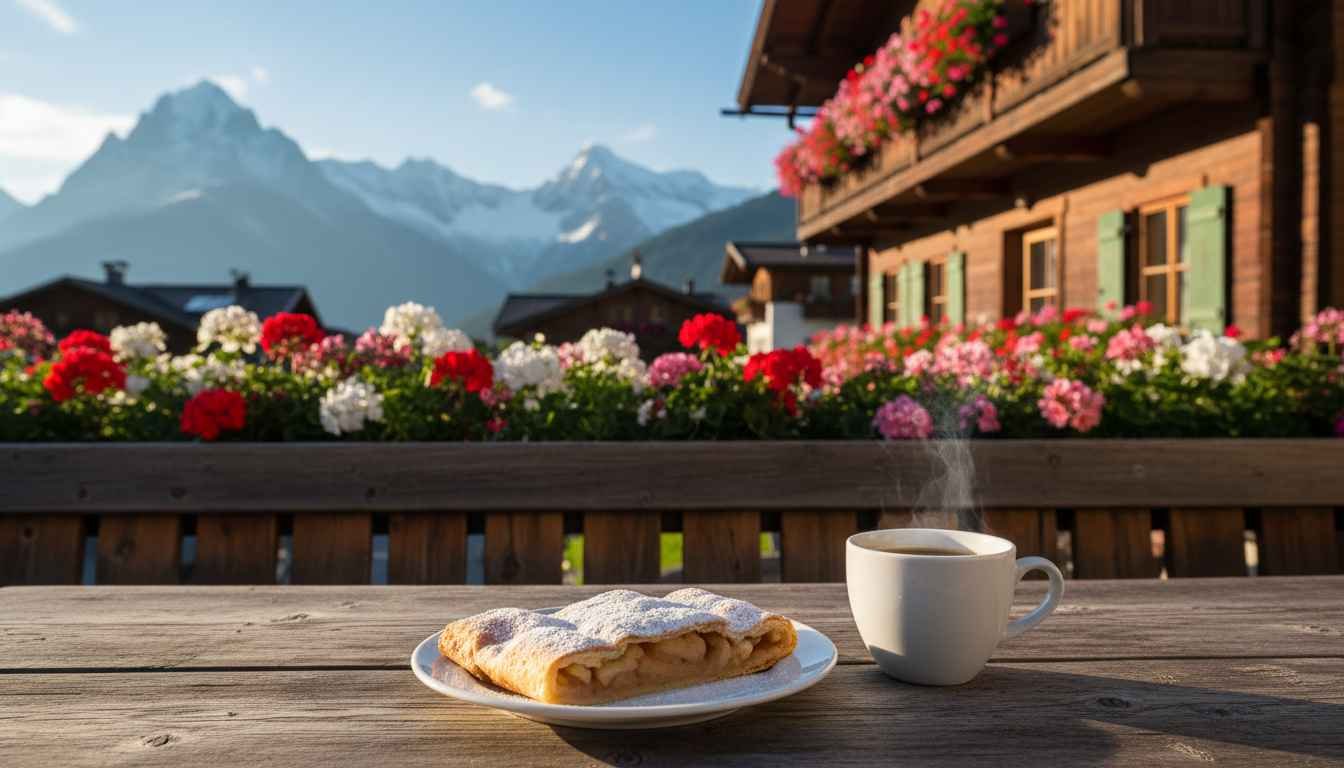
Vienna is not always included in the narrowest definitions of Southern Europe, but it can be a valuable addition to a broader Central and Southern European itinerary. The Austrian capital is known for imperial architecture, museums, music, cafés, palaces, and elegant public spaces.
It is especially useful for travelers planning a multi-country European trip because it can connect naturally with destinations farther south and east.
If you are extending your trip beyond the Mediterranean, explore our guide to the best places to visit in Austria.
14. San Sebastián, Spain
San Sebastián is an excellent option for travelers who want a more food-focused and coastal Spanish experience. The city combines an attractive bay, urban beaches, walkable neighborhoods, and a strong culinary culture.
It can be a good alternative for travelers who have already visited Spain’s biggest cities and want to explore a different side of the country. The surrounding Basque region also provides opportunities for scenic drives and smaller-town exploration.
For more destination ideas in the area, see our guide to places to visit near San Sebastián.
15. The Mediterranean Islands
One of the biggest attractions of Southern Europe is the variety of Mediterranean islands available to travelers. Greece, Italy, Spain, Malta, and other countries offer islands with very different personalities.
Some islands are best for nightlife and social travel, while others are better suited to hiking, beaches, family vacations, food, or quiet escapes. This variety makes island travel one of the easiest ways to customize a Southern European vacation around your interests.
For travelers seeking more nature-focused inspiration, our guide to the best nature places to visit in the world offers additional ideas beyond Europe’s islands.
How to Choose the Best Southern European Destination
The best destination depends on your travel priorities. Instead of asking which location is objectively the best, consider what type of trip you want to create.
For History and Architecture
Rome, Athens, Seville, and Valletta are excellent choices if ancient history, architecture, museums, and historic neighborhoods are major priorities.
For Beaches and Coastal Scenery
Santorini, the Amalfi Coast, Dubrovnik, Nice, and the Mediterranean islands are strong options for travelers who want beautiful coastlines and time near the water.
For Food
Italy, Spain, Portugal, and Greece offer some of Southern Europe’s most memorable culinary experiences. Consider choosing a destination based on regional cuisine rather than simply the country’s most famous attractions.
For Nature and Outdoor Adventures
Southern Europe offers much more than beaches. Mountain landscapes, coastal trails, volcanic terrain, national parks, and rural regions provide plenty of opportunities for hiking and outdoor exploration.
For a Short European Break
If you only have a few days, choose a destination with concentrated attractions and good transportation connections. Lisbon, Barcelona, Rome, Athens, and Valletta can all work well for shorter trips.
You can also explore our guide to the best places to visit for a short break for more ideas.
Best Time to Visit Southern Europe
Spring and early fall are often attractive periods for travelers who want a balance between pleasant weather and manageable crowds. Summer can be ideal for beach vacations, but popular coastal destinations and islands can become extremely busy.
Winter is a different experience. Southern European cities can be appealing for travelers who prefer cooler weather and fewer visitors, while some Mediterranean destinations remain relatively mild compared with much of the United States.
Your ideal timing ultimately depends on whether your priorities are beaches, sightseeing, hiking, festivals, food, or lower-season travel.
If you are considering a summer international vacation, our guide to the best places to visit in summer abroad can help expand your shortlist.
How to Plan a Southern Europe Trip
Trying to visit too many destinations is one of the easiest ways to make a European trip exhausting. Instead, choose two or three main bases and build shorter excursions around them.
For example, a traveler might combine Rome with another Italian region, pair Barcelona with southern Spain, or combine Athens with one or two Greek islands. Portugal can also support an itinerary that combines Lisbon with coastal and countryside destinations.
When planning a multi-country trip, consider travel time as carefully as attraction lists. A destination that looks close on a map may require a long journey once airports, train stations, transfers, and accommodation changes are considered.
It is also useful to leave some flexibility in your schedule. Southern Europe rewards travelers who leave room for an unexpected neighborhood, local restaurant, scenic viewpoint, or small town.
More European Travel Inspiration
Southern Europe is only one part of a much larger European travel landscape. If you are still deciding where your next trip should take you, explore our broader collection of most desirable places to visit in the world.
You can also compare Southern Europe with other European regions through our guides to top places to visit in the summer, places to visit in February, and amazing places to visit around the world.
Final Thoughts
The best places to visit in Southern Europe offer far more than beautiful scenery. The region brings together ancient history, distinctive cultures, remarkable food, coastal landscapes, islands, mountains, and cities with centuries of stories behind them.
Rome and Athens are ideal for history lovers, Barcelona and Lisbon deliver energetic city experiences, Santorini and the Amalfi Coast provide spectacular coastal scenery, while destinations such as Dubrovnik, Malta, Sicily, and San Sebastián offer their own distinctive combination of culture and landscape.
Rather than trying to see everything in one trip, choose destinations that match your interests and give yourself enough time to experience them properly. With thoughtful planning, Southern Europe can provide anything from a quick city break to an extended Mediterranean adventure.