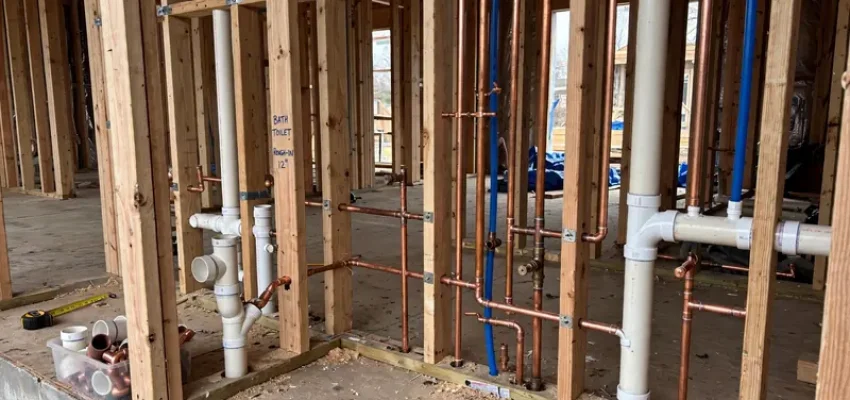

Planning a bathroom remodel or new construction? Understanding the bathroom plumbing rough-in cost is essential before you break ground or swing a hammer. The rough-in phase — where plumbers install all the supply lines, drain pipes, and vent stacks before walls go up — is the foundation of your entire bathroom plumbing system. Get it wrong, and you will face expensive corrections later.
Across the USA, the average bathroom plumbing rough-in cost ranges from $1,500 to $7,500 depending on your location, bathroom size, fixture count, and whether you are remodeling or building new. This guide breaks down every factor that affects pricing, what is included in a typical rough-in, how to save money without cutting corners, and when to call a professional. Whether you are adding a powder room in Texas or renovating a master bath in New York, you will know exactly what to expect.
What Is Bathroom Plumbing Rough-In?
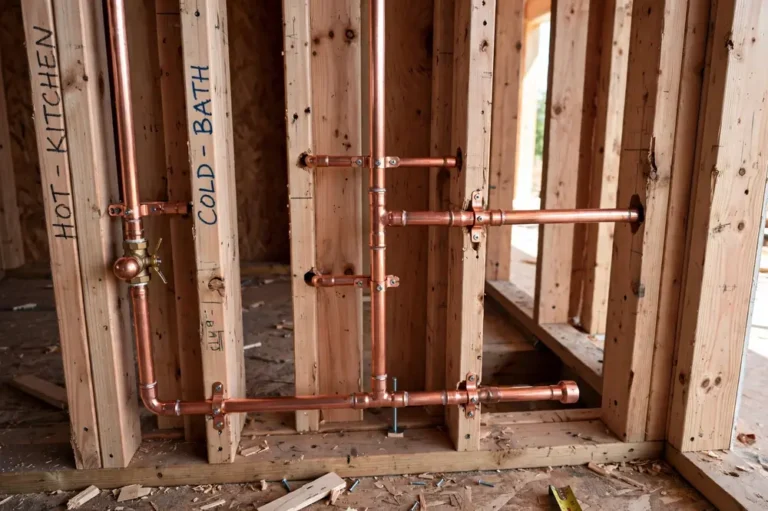
Plumbing rough-in refers to the initial installation of all water supply lines, drain-waste-vent (DWV) pipes, and fixture connections before walls, floors, and finishes are installed. Think of it as the skeleton of your bathroom plumbing — everything hidden behind the walls that makes your fixtures work. This phase must be completed and inspected before drywall goes up.
A standard bathroom rough-in includes hot and cold water supply lines to each fixture location, drain pipes sized correctly for each fixture, vent pipes that prevent sewer gases from entering your home and allow drains to flow properly, and stub-outs — the short pipe sections that will later connect to your sink, toilet, shower, and tub. The plumber also installs shutoff valves and ensures everything meets local building codes. Getting the bathroom plumbing rough-in cost right starts with understanding exactly what your project requires.
Rough-in work is typically divided into two inspections: the initial rough-in inspection (before walls are closed) and the final inspection (after fixtures are set). Skipping or failing inspections can result in costly rework, so always work with a licensed plumber who knows your local codes. In many USA jurisdictions, unpermitted plumbing work can void your homeowners insurance and create problems when selling your home. Review our plumbing permit requirements guide before starting any project.
Average Bathroom Plumbing Rough-In Cost in the USA
The national average bathroom plumbing rough-in cost falls between $1,500 and $7,500, but most homeowners pay around $3,000 to $5,000 for a standard full bathroom. A simple powder room (toilet and sink only) runs $1,500 to $3,000, while a luxurious master bathroom with a soaking tub, double vanity, walk-in shower, and bidet can easily exceed $7,000.
New construction is generally cheaper per fixture than remodeling because plumbers have open access and do not need to demolish existing work. Expect to pay 20–40% more for a remodel rough-in compared to new construction. The biggest cost driver in remodels is relocating plumbing — moving a toilet or shower drain even a few feet can add $500 to $1,500 because it requires cutting into floors and rerouting drain lines that depend on gravity slope.
Regional price differences are significant. The bathroom plumbing rough-in cost in high-cost metro areas like San Francisco, New York City, or Boston can be 50–80% above the national average due to higher labor rates and stricter code requirements. In the Midwest and Southeast, prices tend to run 10–20% below average. Always get at least three quotes from licensed plumbers in your area. For related fixture pricing, see our guide on toilet installation cost in the USA to budget for the finish phase.
Cost by Bathroom Type
Powder room / half bath: $1,500–$3,000. With only a toilet and pedestal sink, this is the simplest rough-in. The compact size means shorter pipe runs and fewer connections, keeping labor and material costs low.
Standard full bathroom: $3,000–$5,500. A tub/shower combo, single vanity sink, and toilet represent the most common USA bathroom configuration. Costs vary based on whether fixtures stay in their existing locations.
Master bathroom: $5,000–$7,500+. Separate tub and shower, double vanity, and possibly a bidet or additional body sprays push costs higher. Custom tile showers with multiple shower heads require more complex rough-in work.
New bathroom addition: $4,000–$8,000. Adding a bathroom where none existed requires tying into existing drain and vent stacks, which may involve significant repiping. If your main drain line needs upgrading to handle the additional load, costs climb further. Homeowners planning additions should also review how to prevent frozen pipes in winter if new plumbing will run through unheated spaces.
Factors That Affect Bathroom Plumbing Rough-In Cost
Several key factors determine where your project falls in the bathroom plumbing rough-in cost range. Understanding these helps you budget accurately and identify where you might save money.
Fixture relocation is the single biggest cost variable. Keeping your toilet, sink, and shower in their existing locations can save $1,000 to $3,000 compared to a full layout change. Drain pipes rely on gravity, so moving a toilet drain requires maintaining proper slope — often meaning floor joists must be cut or the drain rerouted through walls. If your dream layout requires major relocation, get the plumbing quote before finalizing your design.
Pipe material affects both material and labor costs. PEX tubing is the most affordable and fastest to install, making it popular for residential rough-ins across the USA. Copper costs 2–3 times more than PEX but offers superior durability and is required by code in some jurisdictions. PVC and ABS are standard for drain lines. Your plumber will recommend the best material for your local codes and water conditions.
As you embark on your bathroom renovation journey, it’s crucial to recognize that plumbing isn’t the only infrastructure concern demanding your attention. Just as the rough-in stage for your bathroom sets the stage for future success, so too does the installation of gas lines for homes, especially if your project involves kitchen enhancements or appliances that rely on gas. Understanding the nuances of the gas line installation cost home USA can provide you with a clearer financial picture, ensuring that you allocate your budget wisely and avoid unforeseen expenses. By comprehensively addressing both plumbing and gas line considerations, you can create a seamless and efficient design that meets both your aesthetic and functional needs, laying a solid foundation for your home improvement endeavors.
As you embark on your bathroom renovation journey, it’s crucial to recognize that the plumbing rough-in serves as the backbone not only for the layout but also for the overall functionality of your space. Once the rough-in is complete, the next key consideration is the installation of essential fixtures, particularly the toilet. Understanding the various factors that influence the price of toilet installation can significantly impact your overall budget. A comprehensive overview of the typical expenses involved in this process, including comparisons of different toilet types and insights into potential water-efficiency rebates, can be found in resources detailing toilet installation cost USA. This information will empower you to make informed decisions that align with both your aesthetic preferences and financial constraints.
Access and existing conditions play a major role. A bathroom on the ground floor with basement or crawl space access below is much easier (and cheaper) to rough-in than a second-floor bathroom with finished ceilings below. Older homes may have cast iron or galvanized pipes that need partial replacement, adding to the bathroom plumbing rough-in cost. Homes with slab foundations present unique challenges since drain lines run through concrete.
Labor Rates by Region
Plumber hourly rates vary dramatically across the USA. In major coastal metros, expect $100–$200 per hour for a licensed plumber. In the Midwest, South, and rural areas, rates typically run $50–$100 per hour. A standard bathroom rough-in takes 2–4 days of labor, so regional rate differences compound quickly.
Always verify that your plumber is licensed and insured in your state. Unlicensed work may be cheaper upfront but creates massive liability — failed inspections, insurance denials, and substandard work that fails prematurely. Reputable plumbers provide written estimates, pull proper permits, and warranty their work. The peace of mind is worth every penny.
What Is Included in a Rough-In Quote?
When comparing bathroom plumbing rough-in cost estimates, make sure you are comparing apples to apples. A complete rough-in quote should include all supply and DWV piping, fixture stub-outs, shutoff valves, vent tie-ins, pressure testing, permit fees, and rough-in inspection coordination. Some plumbers include the cost of patching small access holes; others do not.
Watch out for exclusions that can surprise you later. Most rough-in quotes do NOT include fixture installation (toilets, sinks, faucets), finish plumbing, tile work, drywall repair beyond small patches, or electrical work. Clarify exactly where the plumber’s scope ends and your general contractor’s begins. Get everything in writing before work starts.
Ask your plumber about the inspection process in your jurisdiction. Most USA cities and counties require a rough-in inspection before walls can be closed. Your plumber should schedule this and be present to answer the inspector’s questions. Failed inspections mean corrections and re-inspection fees, so hiring an experienced local plumber who knows the codes is critical. For context on finish-phase expenses, our kitchen sink installation cost guide covers similar permitting considerations.
How to Save Money on Bathroom Plumbing Rough-In
Smart planning can significantly reduce your bathroom plumbing rough-in cost without sacrificing quality. The most effective strategy is keeping the existing layout — every fixture you leave in place saves hundreds in labor and materials. If you must move fixtures, cluster wet areas together to minimize pipe runs.
Choose PEX over copper where code allows. PEX installs faster, costs less, and performs excellently in residential applications. It is also more freeze-resistant, an important consideration in northern USA climates. Our PEX vs copper piping comparison breaks down the pros and cons. Discuss material options openly with your plumber rather than assuming copper is necessary.
Time your project wisely. Plumbers are busiest in spring and summer; scheduling rough-in work during fall or winter may get you better rates and faster scheduling. Bundle multiple plumbing projects together — if you are roughing in a bathroom, consider whether the kitchen or laundry room needs work too. Mobilization costs are spread across more work, lowering your per-project price.
Do not skip the permit to save a few hundred dollars. Unpermitted work can cost you thousands when selling your home, and insurance companies routinely deny water damage claims for unpermitted plumbing. The permit also ensures an independent inspector verifies the work meets code — valuable protection for your investment. Homeowners adding water treatment should also budget for water softener installation cost as a complementary upgrade.
DIY vs. Hiring a Professional Plumber
While handy homeowners can tackle many projects, bathroom plumbing rough-in is generally not a DIY job. Mistakes in drain slope, vent sizing, or supply line installation create problems that are extremely expensive to fix after walls are closed. Most USA building codes require rough-in plumbing to be performed by or under the supervision of a licensed plumber.
That said, you can reduce your bathroom plumbing rough-in cost by handling peripheral tasks yourself: demolition, hauling debris, patching drywall after inspection, and painting. These labor-intensive but low-skill tasks can save $500 to $1,000. Leave the actual pipe installation, pressure testing, and inspection coordination to the professionals.
If you are determined to DIY portions of the work, check your local codes first. Some jurisdictions allow homeowners to perform their own plumbing with permits and inspections; others prohibit it entirely. Even where allowed, the learning curve is steep and mistakes are costly. For most homeowners, the smart money is on hiring a licensed plumber for rough-in and saving DIY efforts for finish work like installing fixtures and accessories.
Final Thoughts on Bathroom Plumbing Rough-In Cost
Understanding the bathroom plumbing rough-in cost empowers you to plan your project with confidence. Budget $3,000 to $5,000 for a standard full bathroom, get multiple quotes, keep fixtures in place where possible, and always hire licensed professionals who pull permits. The rough-in phase is invisible once your beautiful new bathroom is finished, but it is the most critical part of the entire project.
Invest in quality rough-in work now and you will enjoy decades of trouble-free plumbing. Cut corners, and you will pay far more in repairs, water damage, and frustration. Take time to vet your plumber, understand your quote, and plan for inspections. For more USA home plumbing cost guides, explore our articles on preventing frozen pipes, toilet installation costs, and complete bathroom remodel budgeting to plan your entire project from rough-in to finish.