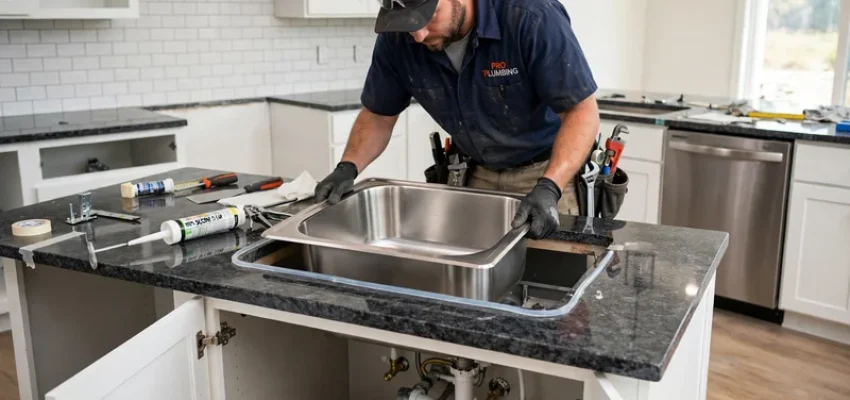

Replacing or installing a kitchen sink is one of the most common USA home improvement projects, and understanding the kitchen sink installation cost helps you budget wisely. Whether your old sink is stained, leaking, or simply outdated, a new sink can transform your kitchen’s look and functionality. But prices vary widely based on sink type, material, labor rates, and whether you are doing a simple swap or a full countertop modification.
In 2026, the average kitchen sink installation cost in the USA ranges from $200 to $1,500 for a straightforward replacement, with most homeowners paying around $400 to $700. Complex installations involving new countertop cutouts, plumbing rerouting, or premium farmhouse sinks can push costs to $2,000 or more. This comprehensive guide covers every cost factor, sink types, DIY versus professional installation, and money-saving tips to help you plan your project.
Average Kitchen Sink Installation Cost in 2026
The national average kitchen sink installation cost for 2026 sits between $400 and $700 for a standard replacement where the new sink fits the existing countertop cutout. This price typically includes the plumber’s labor ($150–$400), basic materials like supply lines and plumber’s putty ($20–$50), and disposal of the old sink. The sink itself is usually purchased separately and can range from $100 for a basic stainless steel model to $1,000+ for premium fireclay or copper.
If your project requires modifying the countertop — enlarging the cutout, switching from a drop-in to an undermount sink, or installing in a brand-new counter — expect to add $200 to $600 for countertop work. Plumbing modifications, such as moving the drain location or upgrading supply lines, add another $150 to $500. These extras can quickly push the total kitchen sink installation cost above $1,000, so get a detailed quote before committing.
Regional variations matter significantly. In high-cost areas like California, New York, or Washington D.C., plumber rates run $120–$200 per hour, pushing installation costs 30–50% above the national average. In the Midwest and Southeast, where rates are $60–$100 per hour, you will pay considerably less. Always get three written estimates from licensed plumbers in your area. For broader plumbing project budgeting, our guide on bathroom plumbing rough-in cost covers similar labor considerations, and how to vet a plumber helps you choose wisely.
Kitchen Sink Installation Cost by Sink Type
Different sink styles come with different installation complexities and costs. Here is what USA homeowners typically pay for each type in 2026.
Top-Mount / Drop-In Sinks: $200–$500
Drop-in sinks are the most affordable to install because they simply sit in a cutout with the rim resting on the countertop. The kitchen sink installation cost for a drop-in is lowest since no special mounting hardware or countertop modifications are needed beyond a standard cutout. Most DIYers can handle this installation, though professional installation ensures proper sealing to prevent water damage.
Undermount Sinks: $350–$800
Undermount sinks attach beneath the countertop, creating a seamless look that is easier to clean. Installation is more complex because the sink must be precisely supported and sealed. The countertop cutout must be polished smooth since the edge is visible. If you are switching from a drop-in to an undermount, the countertop fabricator may need to modify the cutout, adding $150–$300. Undermount installation almost always requires solid-surface countertops (granite, quartz, or solid surface) — they cannot be used with laminate.
Farmhouse / Apron-Front Sinks: $500–$1,200
Farmhouse sinks are the premium choice for USA kitchens in 2026, but they carry the highest kitchen sink installation cost. These heavy sinks (especially fireclay and cast iron models weighing 100+ pounds) require reinforced cabinetry and often custom cabinet modifications. The front of the cabinet must be cut to accommodate the apron, which is skilled carpentry work. Plumbing may need repositioning to align with the deeper basin. Despite the cost, farmhouse sinks remain hugely popular for their striking appearance and generous capacity.
Bar and Prep Sinks: $250–$600
Smaller secondary sinks for bars, islands, or prep areas cost less to install due to their compact size. However, if plumbing does not already exist at the location, running new supply and drain lines can add $300–$800. Consider whether the convenience justifies the extra plumbing cost, especially in kitchen islands where access is limited.
Kitchen Sink Installation Cost by Material
Sink material affects both the purchase price and installation complexity. Here is how common USA materials compare.
Stainless steel ($100–$400 for the sink) is the most popular and affordable option. Lightweight and easy to install, stainless steel works with any mounting style. Look for 16- or 18-gauge steel — thicker is quieter and more durable. The kitchen sink installation cost stays low because the material is forgiving and widely understood by installers.
Composite granite ($200–$600) offers excellent durability and a premium look at a moderate price. These sinks are heavier than stainless steel but lighter than cast iron, keeping installation straightforward. They resist scratches, stains, and heat better than most materials.
Fireclay ($400–$1,000+) delivers a classic, high-end appearance but requires careful handling during installation due to its weight and brittleness. Professional installation is strongly recommended. Cast iron ($300–$800) is similarly heavy and durable, with a glossy enamel coating that is beautiful but can chip if mishandled.
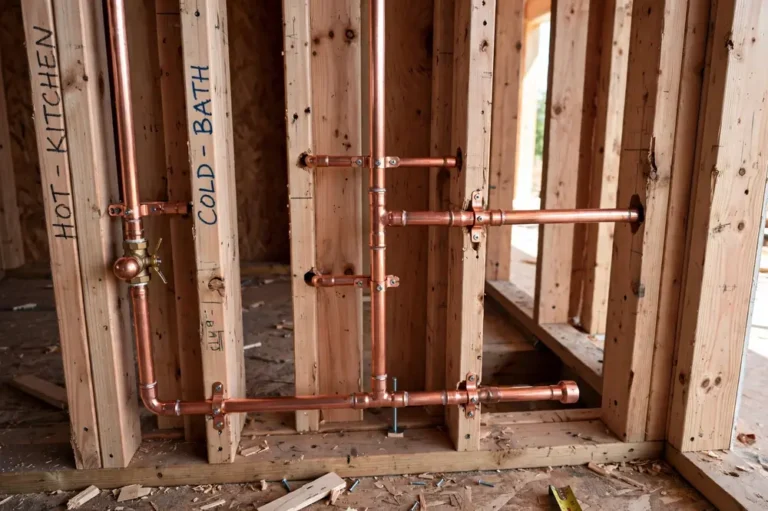
As homeowners embark on various kitchen improvement projects, it’s essential to also consider related undertakings that can enhance the overall functionality and value of their spaces. For instance, while a new kitchen sink can significantly elevate the aesthetic and utility of a kitchen, ensuring that the plumbing infrastructure is up to par is equally crucial. This is where understanding the costs associated with plumbing installations becomes vital. One such example is the bathroom plumbing rough-in cost, which can vary considerably based on several factors, including the complexity of the installation and the specific requirements of the bathroom layout. By comprehensively evaluating these costs, homeowners can make informed decisions that not only improve individual areas but also contribute to the home’s overall integrity and marketability.
Copper ($500–$1,500+) is a luxury choice with natural antimicrobial properties. Copper sinks require specific care during installation to avoid scratching the living finish. Given the investment, professional installation is essential. Homeowners considering premium upgrades should also review water softener installation cost since hard water can damage high-end sink finishes over time.
What Affects Kitchen Sink Installation Cost?
Beyond sink type and material, several factors influence the total kitchen sink installation cost. Understanding these helps you anticipate expenses and avoid surprises.
Plumbing condition is a major variable. If your existing supply lines, shutoff valves, or P-trap are corroded or outdated, your plumber will recommend replacing them during installation. This adds $50–$200 in materials and labor but prevents future leaks. Old homes with galvanized pipes may need more extensive updates.
Countertop modifications can be the most expensive surprise. Switching sink styles often requires a fabricator to recut or polish the countertop opening. Laminate countertops cannot support undermount sinks, so switching from laminate to stone involves a full countertop replacement — a $2,000 to $5,000 project on its own.
Garbage disposal installation or replacement is commonly done alongside sink replacement. Adding a new disposal costs $150–$400 including the unit and installation. If you already have one, your plumber will disconnect and reconnect it, typically adding $50–$100 to the kitchen sink installation cost.
Permit requirements vary by jurisdiction. Simple like-for-like sink swaps rarely need permits, but moving plumbing or altering drain configurations usually does. Permit fees run $50–$200 in most USA cities. Your plumber should handle permitting, but confirm this is included in the quote.
DIY vs. Professional Kitchen Sink Installation
Handy homeowners can save $150–$400 by installing a drop-in sink themselves. The process involves disconnecting water lines, removing the old sink, cleaning the countertop, applying plumber’s putty or silicone, setting the new sink, and reconnecting plumbing. With basic tools and a few hours, it is very doable. Numerous video tutorials walk through each step.
However, professional installation is worth the kitchen sink installation cost for undermount, farmhouse, or any installation involving countertop modification. Improper sealing leads to water damage that costs far more to repair than professional installation. Plumbers also spot underlying issues — corroded valves, improper venting, deteriorating supply lines — that DIYers miss.
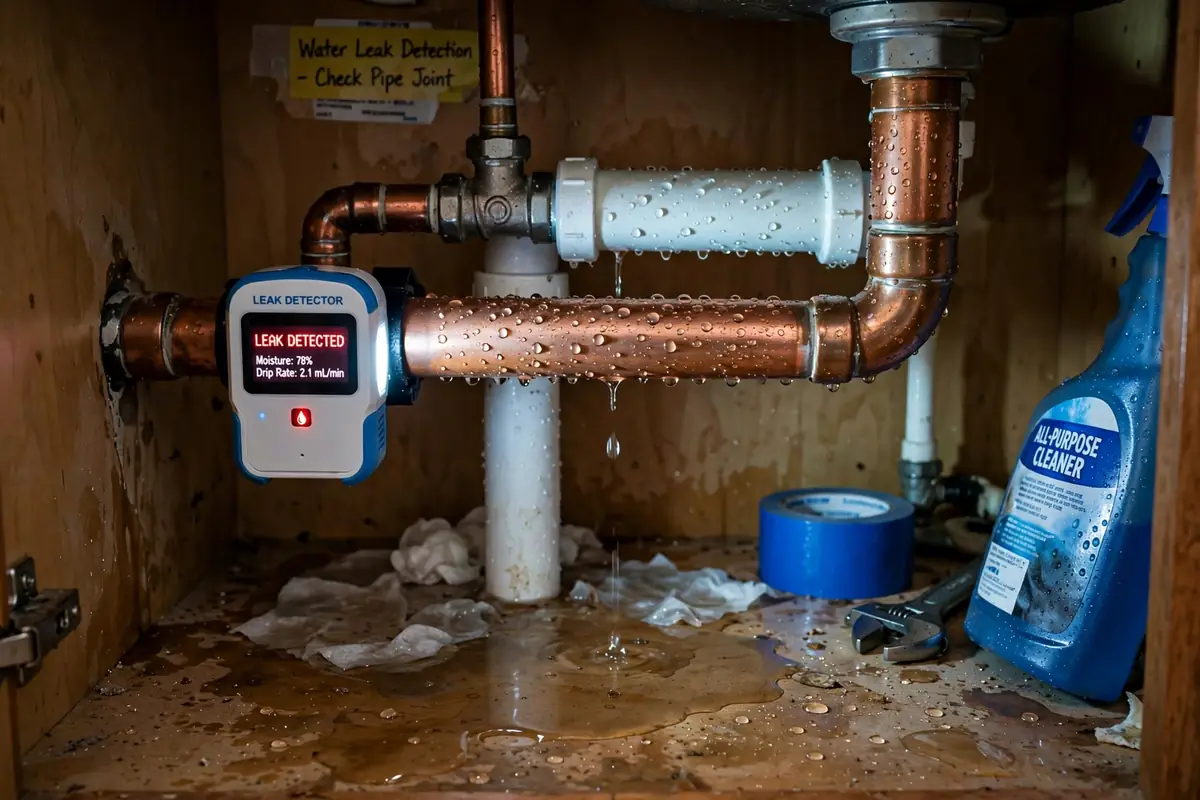
If you DIY, shut off water at the supply valves (not just the faucet) and place a bucket under the P-trap before disconnecting. Take photos of the existing connections before disassembly for reference. Test thoroughly for leaks before considering the job done — fill the sink, check all connections, and inspect the cabinet floor the next day. When in doubt, call a professional. A small leak inside a cabinet can cause thousands in mold and wood damage. For related winter prep, see how to prevent frozen pipes in winter to protect your new kitchen plumbing.
How to Save Money on Kitchen Sink Installation
Smart shopping and timing can meaningfully reduce your kitchen sink installation cost. Buy your sink during holiday sales — Memorial Day, Labor Day, and Black Friday offer the deepest discounts on kitchen fixtures at USA retailers. Consider open-box or floor-model sinks from home improvement stores for 20–40% savings.
Choose a sink that fits your existing cutout to avoid countertop modification costs. Measure carefully and bring your old sink’s dimensions when shopping. If your countertop is standard size, sticking with the same configuration (single bowl to single bowl, same overall dimensions) keeps installation simple.
Bundle projects to save on labor. If your plumber is already there for the sink, ask about other needed work — replacing shutoff valves, installing a new faucet, or addressing that slow drain. The marginal cost of additional tasks during the same visit is much lower than a separate service call. Many USA plumbers offer discounts for bundled work.
Get multiple quotes and ask each plumber to itemize labor, materials, and any additional work. Be wary of quotes that seem too low — they may exclude necessary work that appears as surprise charges later. A reputable plumber explains exactly what is included. Homeowners planning broader kitchen updates can reference our toilet installation cost USA guide for comparable fixture pricing logic and kitchen remodel budgeting tips for full project planning.
Final Thoughts on Kitchen Sink Installation Cost
The kitchen sink installation cost in 2026 ranges from a budget-friendly $200 DIY drop-in swap to $1,500+ for a professionally installed farmhouse sink with countertop modifications. Most USA homeowners land in the $400–$700 range for a quality replacement installed by a licensed plumber. Plan carefully, choose the right sink for your countertop and budget, and do not skimp on proper sealing and installation quality.
A new kitchen sink is one of the highest-impact, lowest-cost kitchen upgrades you can make. Whether you DIY a simple swap or hire a pro for a premium farmhouse installation, understanding the costs upfront ensures no surprises. For more USA home improvement cost guides, explore bathroom plumbing rough-in costs, choosing the right plumber, kitchen faucet installation tips, and garbage disposal installation guide to plan your complete kitchen project.