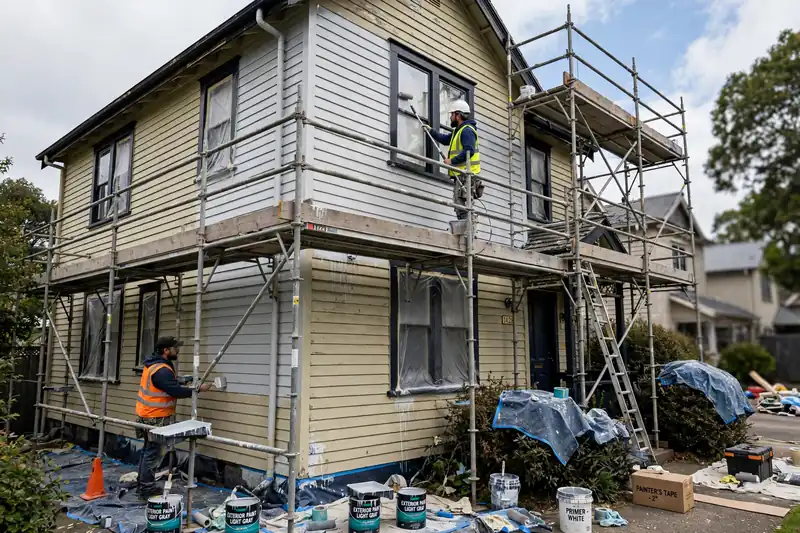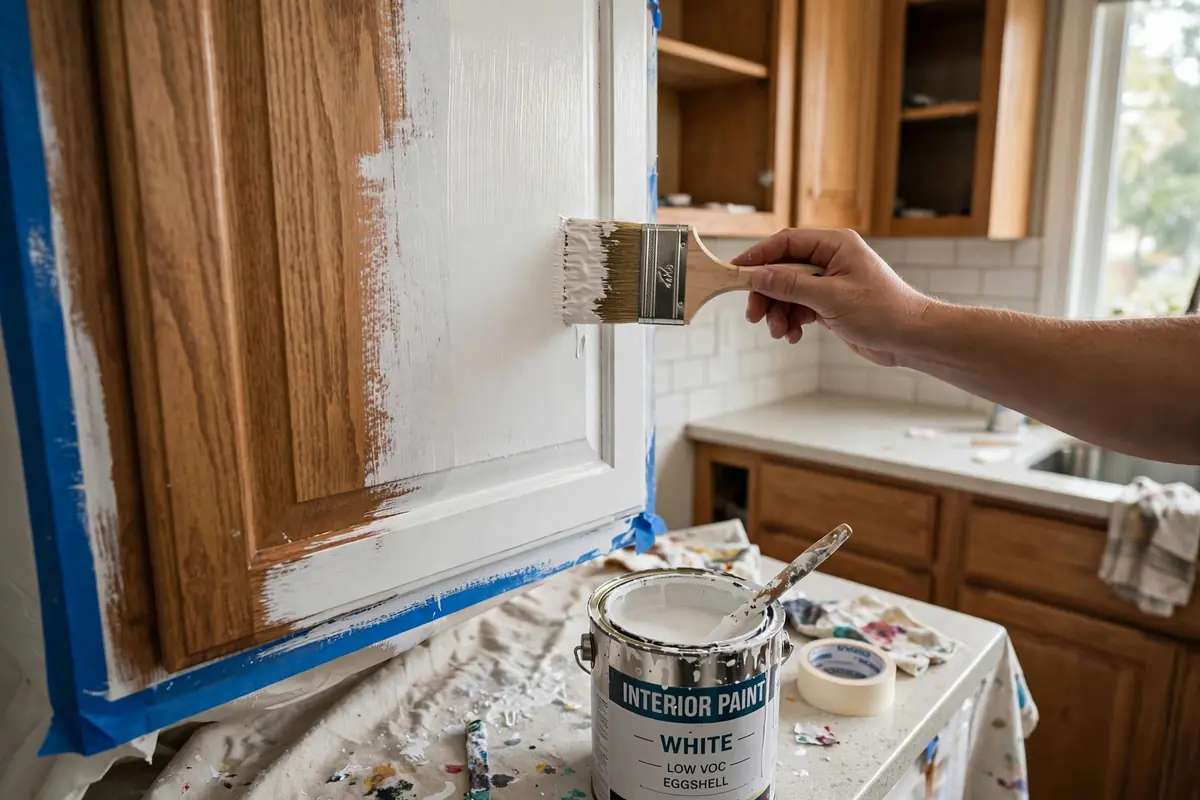

The difference between a paint job you love and one you regret usually comes down to the painter, not the paint. Knowing how to choose a house painter in USA markets protects your investment — a quality painter delivers crisp lines, proper prep, and a finish that lasts, while a bad one leaves drips, missed spots, and paint that peels within two years. This guide gives you a complete vetting system.
With thousands of painting contractors across the USA — from one-truck independents to large franchises — the selection process matters enormously. The stakes are real: a whole-home paint job costs $2,500 to $10,000, and fixing a botched job often costs more than doing it right the first time. Follow this checklist to hire with confidence.
Where to Find House Painters in USA
Start with multiple sources. Google “house painter near me” or “painting contractor + [your city]” and review businesses with 50+ reviews averaging 4.5+ stars. Pay attention to review recency and whether owners respond professionally to complaints.
Angi, HomeAdvisor, and Thumbtack pre-screen for licensing and insurance. Nextdoor and local Facebook groups surface unfiltered neighbor experiences — search for “painter” threads describing specific jobs and prices. The Better Business Bureau shows complaint histories. Personal referrals remain gold: ask friends whose homes you admire who painted them and what it cost.
Paint stores are an underused resource. Managers at Sherwin-Williams, Benjamin Moore, and PPG stores know which contractors buy quality paint consistently and pay their bills — strong signals of professionalism. Ask for two or three names.
How to Choose a House Painter in USA: The Vetting Checklist
Verify Licensing and Insurance
Requirements vary by state — some require contractor licenses (California, Florida), others do not license painters specifically. Regardless of legal requirements, demand proof of general liability insurance ($1M minimum) and workers’ compensation. Without workers’ comp, an injured painter on your property can sue you. Ask for certificates emailed directly from the insurer, not photocopies from the painter.
Check Experience and Specialization
Ask how long they have been painting professionally (5+ years preferred) and whether they specialize in residential work. A commercial painter accustomed to warehouses may not deliver the fine finish a home needs. For older homes, ask specifically about lead paint testing for older homes in USA experience — federal RRP rules require EPA certification for disturbing lead paint in pre-1978 homes.
Request a portfolio of recent local jobs with addresses you can drive by. Fresh paint looks good up close; drive-by views reveal how their work holds up after a year or two.
Get Detailed Written Estimates
Obtain at least three itemized quotes. Each should specify: total price, square footage, surfaces included, prep work detail (washing, scraping, caulking, priming — line by line), exact paint brand/line/sheen, number of coats, start and completion dates, payment schedule, and warranty terms. Vague one-line quotes (“paint house: $4,500”) are unacceptable.
Compare carefully: a $4,000 quote with premium paint and full prep beats a $3,200 quote with builder-grade paint and “spot prep.” For cost benchmarks, see our interior house painting cost in USA 2026 and exterior house painting cost in USA 2026 guides.
Ask About Crew and Supervision
Who actually does the work? Some contractors sell the job then send unsupervised day laborers. Ask: Will you personally be on-site? How many painters? Are they employees or subcontractors? How do you ensure quality? The best answer involves the owner or a dedicated foreman on-site daily with a trained employee crew.
Understand the Prep Process
Prep determines longevity. Ask exactly what prep is included: pressure washing PSI, scraping standards (to bare wood or just loose paint?), caulking scope, priming protocol, and protection of landscaping, windows, and fixtures. A painter who glosses over prep will gloss over your walls too — with paint that fails early.
Questions to Ask Before Hiring
What paint do you recommend and why? Professionals have strong preferences based on experience. Be wary of anyone pushing the cheapest option or unable to explain their choice.
How do you handle unexpected issues? Rotten trim, extensive peeling, or color-change complications arise mid-job. Good painters stop, document, explain options with prices, and get approval before proceeding.
What is your warranty? Look for 2+ years on workmanship (separate from manufacturer paint warranties). Get it in writing with clear terms on what triggers a warranty call.
What is the payment schedule? Standard: 10 to 30 percent deposit, progress payments, balance on completion and your satisfaction. Never pay in full upfront. Anyone demanding 100 percent before starting is a major red flag.
How do you protect my property? Drop cloths, masking, landscaping protection, daily cleanup — professionals have systems. Ask for specifics.
Can you provide recent references? Call them. Ask: Did they show up on time? Was the crew respectful? How is the paint holding up? Would you hire them again?
Red Flags When Choosing a House Painter
Door-to-door solicitation. Reputable painters do not need to knock on doors. Storm-chasers and traveling crews are notorious for shoddy work.
High-pressure tactics. “Sign today for 20 percent off” is manipulation. Quality painters give written quotes valid for 30 days.
No physical address or online presence. Legitimate businesses have verifiable addresses, websites, and review profiles. A cell phone and a truck are not enough.
Cash-only demands. Professional operations accept checks and cards with proper invoicing. Cash-only with no receipt means no recourse.
Unwillingness to provide insurance proof. Instant disqualification. Move on immediately.
Dramatically low bids. Quotes 30+ percent below others mean cut corners: no insurance, cheap paint, skipped prep, or inexperienced labor. The “savings” evaporate when the paint fails.
Understanding Painting Contracts
A proper contract includes: contractor’s legal name, address, and license number; detailed scope of work; materials specification (brand, line, color, sheen, coats); start and end dates; total price and payment schedule; warranty terms; cleanup responsibilities; and a termination clause. Never rely on verbal agreements.
For color selection guidance once you have hired your painter, our best paint colors for resale value USA helps narrow palettes, and paint sheen guide for USA homes covers finish selection room by room.
What Good Painters Do Differently
Top-tier painters: arrive on time consistently; communicate proactively about schedule changes; protect everything meticulously; do thorough prep without being asked; maintain clean, organized job sites; check their own work with critical eyes; and follow up after completion. These soft factors predict results as reliably as any quote comparison.
Also note how they handle your questions during the estimate. Patient, detailed answers signal a professional who educates clients. Rushed, dismissive responses signal someone who will be equally dismissive of your concerns mid-job.
After the Job: Final Walkthrough
Do a thorough walkthrough before final payment. Check in natural and artificial light — flaws hide in flat light and appear in raking light. Look at cut lines, coverage uniformity, drips, overspray, and cleanup. Test doors and windows for paint-sealed shut. A good painter welcomes scrutiny and fixes issues promptly. Hold 10 percent until you are satisfied.
Seasonal Timing and Painter Availability
Understanding painter seasonality helps you book the best crews at the best prices. Spring (March-May) is peak booking season — quality painters fill schedules 6 to 8 weeks out, and prices peak with demand. Summer offers the longest working days but intense heat can affect exterior scheduling. Fall (September-November) is the sweet spot for interior work: painters offer 10 to 20 percent discounts to fill calendars, and your project gets more attention. Winter is slowest — maximum negotiating leverage for interiors, though exterior work pauses in cold climates.
For exterior projects, book your painter in winter for spring execution — you will get first pick of schedule slots. Rushing to hire during peak season often means settling for whoever is available rather than the best fit. The vetting process in our plumber vetting checklist takes time; start early — the same diligence applies to any contractor.
Payment Structures and Protecting Yourself
Standard payment schedules protect both parties: 10 to 30 percent deposit to secure the schedule, progress payments tied to milestones (prep complete, first coat done), and final 10 to 20 percent on completion after your walkthrough approval. Never pay cash without receipts. Never pay in full before work starts. For large projects ($7,000+), consider milestone-based payments in the written contract.
If a painter demands 50+ percent upfront, treat it as a red flag — legitimate operations have credit lines for materials and do not need your deposit to buy paint. Similarly, be cautious of “today only” discounts pressuring immediate signing. Quality painters provide quotes valid for 30 days. These financial protections apply equally to interior projects detailed in our interior house painting cost in USA 2026 breakdown and exterior work.
For related home improvement planning, review our interior house painting cost in USA 2026 for budgeting interior work and how to prepare walls for painting USA for DIY prep guidance before your painter arrives.
Frequently Asked Questions
Should I hire a painter or a handyman?
For anything beyond a single small room, hire a dedicated painting contractor. Painters have specialized tools, techniques, and paint knowledge that handymen lack. The quality difference is visible.
How far in advance should I book?
Quality painters book 4 to 8 weeks out in peak season (spring/summer). For exterior work, book in winter for spring slots. Interior work has more flexibility — 2 to 4 weeks is typical.
Do painters move furniture?
Most move light furniture and cover the rest; very heavy pieces (pianos, large armoires) are your responsibility. Clarify in the estimate. For wall prep you can do yourself, see how to prepare walls for painting USA.
Learning how to choose a house painter in USA markets is the highest-leverage step in any paint project. The right painter makes even mid-range paint look premium; the wrong one ruins premium paint. Invest the time in vetting — verify insurance, compare detailed quotes, check references, and trust your instincts. Your walls will show the difference every day for years.