
When every drain in your house backs up at once, you are not dealing with a simple sink clog. You are likely facing a blockage in your main drain line, and knowing how to unclog a main drain line the right way can save you from a messy and expensive disaster. This single pipe carries all wastewater from your toilets, sinks, showers, and laundry out to the city sewer or septic system. When it stops flowing, everything stops flowing.
Some main line blockages can be cleared with basic tools and careful technique, but doing it wrong can damage your pipes or push the clog deeper. In this guide, you will learn what a main drain line is, how to spot warning signs early, which safe DIY methods work, what you should never try, and when to call a licensed plumber.
What Is a Main Drain Line and How It Works
Your main drain line, often called the main sewer line, is the large pipe that collects wastewater from every branch drain in your home and carries it away to the municipal sewer main under the street or to your septic tank. In most USA homes, this pipe is four inches in diameter and runs underground from your house to the street, usually buried three to six feet deep.
All of your smaller drain lines connect to this main pipe: kitchen and bathroom sinks, toilets, tubs, showers, washing machine, and dishwasher. That is why a clog here causes problems everywhere at once. The pipe is laid at a slight downward slope so gravity moves wastewater through it. When roots, grease, or debris interrupt that flow, wastewater backs up into your home at the lowest drain points, usually a basement floor drain, a first-floor shower, or a toilet.
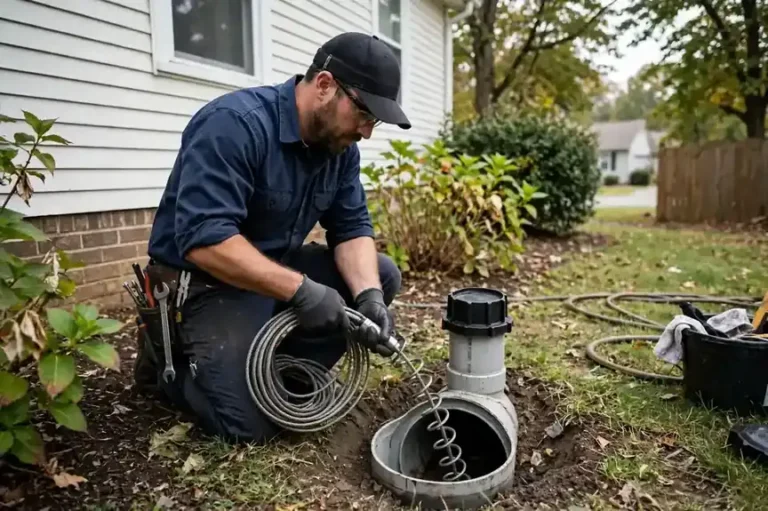
Most homes also have a main cleanout, a capped pipe fitting that gives direct access to the main line, usually in the basement, crawl space, garage, or outside near the foundation. Knowing where your cleanout is before an emergency strikes is one of the smartest things a homeowner can do.
Signs Your Main Drain Line Is Clogged
A main line clog rarely appears out of nowhere. The classic sign is multiple drains backing up at the same time: your toilet gurgles when you run the washing machine, or water rises in your shower when you flush. Slow drainage throughout the house is another telltale symptom. When sinks, tubs, and toilets all drain sluggishly together, the problem is downstream of all of them, which points to the main line.
Listen for gurgling sounds from drains and toilets after using water elsewhere in the house. Foul sewage odors from drains or from the yard are another red flag. Sewage coming up through a basement floor drain means the main line is fully or nearly blocked: an emergency. Outside, watch for soggy patches or unusually lush grass in a strip across your yard. If you see any of these signs, act quickly, and reviewing typical professional drain cleaning costs can help you decide between a DIY attempt and a pro visit.
What Causes Main Drain Line Clogs
Tree root intrusion is the number one cause in older USA neighborhoods. Tiny roots seek out moisture inside sewer pipes, enter through small cracks or loose joints, and grow into thick mats that trap everything passing through. Clay and cast iron pipes, common in homes built before the 1980s, are especially vulnerable.
Grease and fat are another major culprit. Cooking grease cools and hardens inside the pipe, gradually narrowing the passage over years until wastewater can no longer get through. Flushing the wrong items is equally destructive: so-called flushable wipes do not break down like toilet paper, and neither do paper towels, feminine hygiene products, or diapers. These combine with grease to form dense, stubborn masses.
Structural problems can also block a main line. Older pipes can sag, creating a low spot called a belly where waste collects, or they can crack, collapse, or misalign at the joints due to shifting soil or age. No amount of snaking will fix a collapsed pipe, which is when homeowners need to look into sewer line replacement costs.
Things to Do First Before You Try Anything
Before you touch a single tool, stop using water in the house. Every flush adds to the backup behind the clog, so hold off on showers, laundry, and dishwashing until the line is clear. Next, put on protective gear: waterproof gloves, eye protection, and old clothes, because sewage contains bacteria that can make you seriously ill. Keep a bucket, old towels, and a mop nearby in case wastewater escapes.
Then locate your main cleanout and remove the cap slowly, standing to the side. If wastewater flows out, the clog is downstream of the cleanout, toward the street. If the cleanout is dry but drains still back up, the clog is between the house and the cleanout. This simple test tells you exactly where to focus.
Method 1: Check and Clear Through the Main Cleanout
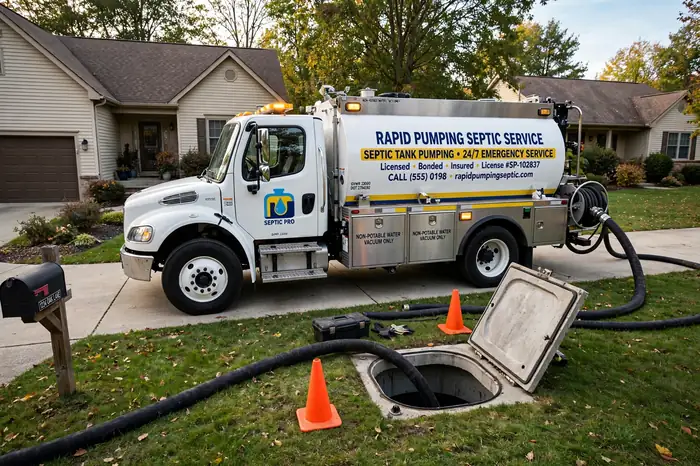
Once the cleanout cap is off, shine a flashlight down the pipe. You may see the blockage or standing water, confirming the clog is on the far side of the cleanout. A garden hose with a strong nozzle can sometimes break up a soft clog in short bursts, but never run it continuously, since you are just adding water to an already full pipe. For most homeowners, a drain auger is the more reliable approach. Note that on septic systems, repeated backups can also signal a full tank, so check our guide to septic tank pumping before assuming the pipe is the only problem.
How to Unclog a Main Drain Line With a Drain Auger
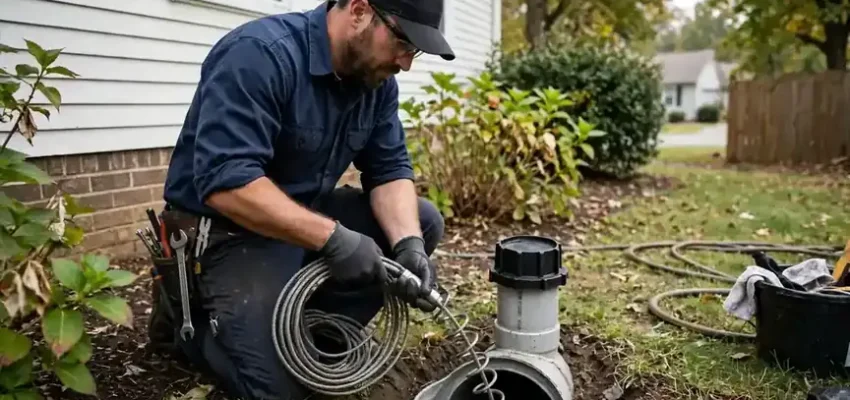
A drain auger, commonly called a plumber’s snake, is the tool professionals reach for first. Use a heavy-duty hand auger or a rented power auger with at least 50 to 100 feet of cable, since the clog may be far from the cleanout.
Feed the cable in slowly, turning the handle clockwise as you push. When you feel resistance, you have reached the clog. Keep turning with gentle forward pressure so the rotating head breaks through or hooks the blockage. Work the cable back and forth several times. Never force it aggressively, or you can kink the cable or damage older clay and cast iron lines.
Once the cable moves freely past the blockage, retract it slowly and clean off debris. Then run water through the cleanout in short bursts. If water flows freely and indoor fixtures drain normally, you have succeeded. Run hot water for several minutes afterward to flush loosened residue downstream. If the auger meets hard, immovable resistance after multiple attempts, stop: you may be dealing with roots or a collapsed pipe, and it is smarter to find a reliable plumber near you than to risk breaking the pipe.
Method 3: Sewer Jetter Nozzle (Use With Caution)
Some homeowners rent a pressure washer with a sewer jetter attachment, which shoots high-pressure water backward to blast the clog apart while cleaning the pipe walls. It is excellent at cutting through grease, but it is not a beginner tool. High pressure can damage old or fragile pipes, and a stuck nozzle creates a much bigger problem. Start with the lowest effective pressure, keep the nozzle moving, and never use it on pipes you suspect are damaged. For most homeowners, the auger is the safer first choice.
What NOT to Do When Your Main Line Is Clogged
Do not pour chemical drain cleaners into a main line blockage. These products rarely reach a clog dozens of feet from the house, they corrode pipes, create dangerous fumes, and harm septic systems. Do not keep flushing to test whether the clog cleared; each test adds wastewater behind the blockage and raises the risk of a backup into your home.
Do not expect a small hand-crank sink snake to clear a main line. Those short, thin cables are designed for branch lines and will coil up uselessly inside a four-inch main pipe. Finally, do not ignore the problem. Main line clogs never improve on their own, and clearing a partial blockage today costs far less than a full sewage backup next week. Compare the cost of acting now with typical plumber rates so you can budget if DIY fails.
When to Call a Professional Plumber
Call a licensed plumber immediately if sewage is actively backing up into your home, if you cannot locate or access your cleanout, or if your auger attempts have failed after two or three honest tries. Also call a pro if you suspect tree roots, since roots usually grow back after snaking unless the pipe is repaired, and a camera inspection will show exactly what you are dealing with.
Professionals bring sewer cameras that pinpoint the blockage and commercial-grade jetters and root cutters. A standalone camera inspection is money well spent because it turns guesswork into a clear diagnosis. If the camera reveals a collapsed pipe, replacement may be the only permanent fix; see our overview of septic system replacement costs for the bigger picture. If the situation is urgent, do not hesitate to call an emergency plumber.
How to Prevent Future Main Line Clogs
Once your line is flowing again, a few habits will keep it that way. Never pour grease down any drain; collect cooking fats in a container and throw them in the trash. Install mesh strainers on sink and shower drains, and flush only toilet paper and human waste, no wipes of any kind, no matter what the packaging claims.
If trees grow near your sewer line, have the line camera-inspected every couple of years so root intrusion is caught early. Monthly enzyme-based drain treatments help control grease and organic buildup without harming pipes or septic systems. If your home still has original clay or cast iron sewer pipes, start budgeting for eventual replacement with modern PVC. Homeowners planning broader upgrades can review toilet installation and bathroom plumbing rough-in costs, and take steps for preventing frozen pipes before winter, since freeze damage can create blockages too.
Conclusion
Learning how to unclog a main drain line gives you real power over one of the scariest plumbing emergencies a homeowner can face. Recognize the signs early, stop using water, gear up, and work through the cleanout with an auger using steady, patient technique. Avoid chemical cleaners, and respect the limits of DIY when roots or pipe damage are involved.
A clear main line means every fixture works the way it should. Whether you clear it yourself this weekend or bring in a professional with a camera, acting quickly is what keeps a clog from becoming a catastrophe.