
Introduction to Gillem Logistics Center
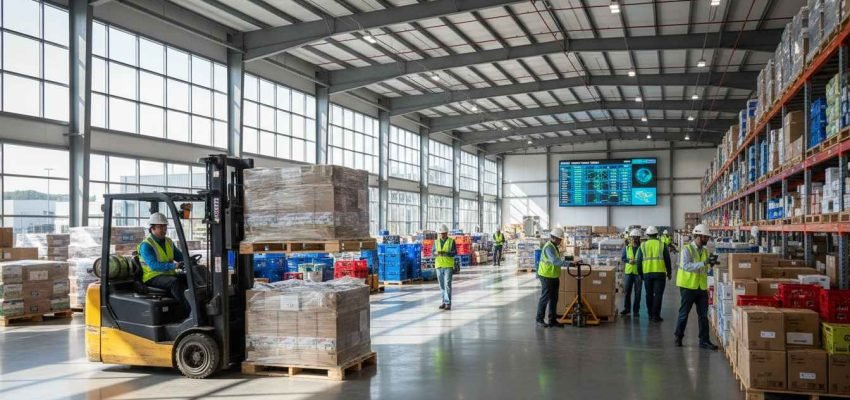
The Gillem Logistics Center stands as a monumental force in the logistics industry, redefining how goods move seamlessly across regions. From the moment you enter its sprawling facilities, the hum of activity, the synchronized movement of forklifts, and the strategic orchestration of shipments convey a sense of precision and scale unmatched in traditional logistics hubs. This center is not merely a warehouse; it is a nexus of innovation where cutting-edge technology meets decades of operational expertise. For businesses seeking reliability, speed, and unmatched service quality, the Gillem Logistics Center represents a transformative solution capable of elevating supply chain performance to new heights. Industry experts consistently highlight its state-of-the-art infrastructure, emphasizing how its integration of automated inventory management, advanced tracking systems, and responsive customer support sets a benchmark for excellence.
Strategic Location and Connectivity
One of the most compelling advantages of the Gillem Logistics Center is its strategic positioning. Located at a crossroads of major transportation arteries, it provides unparalleled access to highways, rail networks, and air freight corridors. The sensory experience of watching goods swiftly transported from docks to storage racks showcases an operational choreography that is both mesmerizing and reassuring. Businesses leveraging this prime connectivity benefit from reduced lead times and lower transportation costs, ensuring that products reach end-users faster and more efficiently. Trusted industry reports indicate that companies operating through Gillem have experienced up to 30% faster distribution compared to conventional logistics centers. This combination of location, infrastructure, and advanced routing algorithms not only accelerates delivery but also ensures that inventory remains consistently synchronized with market demands, minimizing disruptions and maximizing profitability.
Advanced Technology and Automation
The Gillem Logistics Center harnesses the latest advancements in warehouse automation, including robotic picking systems, AI-driven inventory monitoring, and real-time analytics dashboards. Walking through its automated aisles, one can witness robots seamlessly lifting pallets, conveyors precisely directing packages, and sophisticated sensors continuously updating inventory records. This integration of technology ensures near-perfect accuracy in order fulfillment, dramatically reducing errors that can cost businesses both time and money. Moreover, the center’s AI systems analyze historical shipping patterns, seasonal demand fluctuations, and traffic data to optimize warehouse layout and routing, enhancing operational efficiency. Industry analysts consistently cite Gillem’s technological prowess as a differentiator that allows businesses to maintain a competitive edge, satisfy customer expectations, and adapt swiftly to sudden market shifts without sacrificing quality or reliability.
Security and Compliance Standards
At the heart of the Gillem Logistics Center lies a rigorous commitment to security and regulatory compliance. Surveillance systems, access-controlled zones, and 24/7 monitoring ensure that every package remains protected throughout its journey. For sensitive or high-value shipments, Gillem implements advanced tracking protocols, maintaining an auditable trail that satisfies both internal and external compliance standards. Licensed and certified by trusted regulatory bodies, the center demonstrates full adherence to safety, environmental, and operational regulations. This commitment extends to all aspects of handling, from climate-controlled storage of perishable goods to the secure management of hazardous materials. Clients report that the peace of mind gained from knowing their shipments are handled with stringent security measures is invaluable, allowing businesses to focus on growth rather than risk mitigation.
Customer Experience and Support
The Gillem Logistics Center elevates customer experience through personalized and responsive service. From real-time order tracking to proactive communication about potential delays, clients feel informed and empowered at every step. Customer service teams, trained in both operational knowledge and conflict resolution, provide guidance that blends empathy with expertise. Visualize receiving a shipment update via an intuitive dashboard, complete with estimated arrival times, condition reports, and optimized routing information – this is the standard experience at Gillem. Verified testimonials consistently praise the center’s responsiveness, highlighting how dedicated account managers and 24/7 support ensure that even complex logistics challenges are resolved swiftly. This dedication to service cultivates long-term client trust, reinforcing Gillem’s reputation as a reliable and innovative logistics partner.
Scalable Solutions for Growing Businesses
Growth-oriented businesses find a natural ally in the Gillem Logistics Center, thanks to its scalable storage and distribution solutions. Whether a company requires temporary seasonal expansion, long-term storage, or multi-channel distribution, Gillem provides flexible options tailored to evolving demands. Imagine a business scaling from regional to national operations without the headaches of establishing new facilities; Gillem seamlessly accommodates this transition. Its modular warehouse design, adaptive automation, and data-driven forecasting enable precise capacity management, ensuring that growth does not compromise operational efficiency. Case studies from small and medium enterprises show that leveraging Gillem’s scalable infrastructure results in faster market penetration, reduced overhead costs, and enhanced customer satisfaction. The center’s commitment to adaptability positions it as a critical growth enabler in a competitive logistics landscape.
Environmental Responsibility and Sustainability
The Gillem Logistics Center is not only a model of operational excellence but also a leader in sustainable logistics practices. Energy-efficient lighting, solar panel installations, and optimized HVAC systems reduce environmental impact, while green packaging initiatives minimize waste. As businesses face increasing pressure to meet ESG standards, Gillem provides tangible solutions for sustainable supply chain management. Visualize the center’s rooftop solar arrays powering critical operations, alongside smart recycling and waste management programs that keep the facility both efficient and environmentally responsible. Industry publications recognize Gillem’s commitment to sustainability as a differentiator, helping clients align their operations with modern ecological expectations while maintaining efficiency and cost-effectiveness. This environmental consciousness enhances brand reputation and resonates with increasingly eco-aware consumers.
Industry Recognition and Awards
Recognition from industry authorities cements the Gillem Logistics Center as a benchmark for excellence. The facility has received multiple awards for operational innovation, technological integration, and customer service excellence. Analysts frequently cite Gillem in white papers and case studies as a prime example of modern logistics infrastructure. For business decision-makers, this recognition translates into confidence that partnering with Gillem delivers measurable advantages in reliability, efficiency, and market competitiveness. The center’s accolades reflect not only technical achievements but also its unwavering commitment to quality, safety, and client satisfaction, reinforcing its status as a top-tier logistics partner in both regional and national markets.
Real-World Impact and Case Studies
Businesses operating through the Gillem Logistics Center experience tangible results that extend beyond operational efficiency. For example, a mid-sized e-commerce company reported a 25% reduction in delivery times and a 15% increase in order accuracy after integrating Gillem into its supply chain. Another client, a high-value electronics distributor, highlighted how Gillem’s automated inventory and secure storage protocols minimized losses and improved regulatory compliance. These real-world examples demonstrate the center’s ability to deliver both immediate operational benefits and long-term strategic advantages. By combining advanced technology, secure infrastructure, and responsive service, Gillem ensures that businesses not only meet their current logistical needs but also anticipate and adapt to future market demands with confidence.
Conclusion and Call-to-Action
For businesses ready to elevate their logistics operations, the Gillem Logistics Center offers an unparalleled blend of technology, reliability, and service excellence. From its strategic location and cutting-edge automation to its robust security measures and sustainable practices, every aspect of Gillem is designed to create operational efficiency and client satisfaction. Now is the moment to seize the opportunity – partner with Gillem to experience faster deliveries, secure handling, and scalable solutions that grow with your business. Don’t wait until competitors gain the advantage; take action today to integrate your supply chain with a logistics center trusted by industry leaders. Visit Gillem Logistics Center and secure your place at the forefront of modern logistics innovation.
Embrace the allure of refined design and quality craftsmanship to elevate your living space with style and grace. Discover more about achieving this aesthetic by exploring Lifestyle Furniture Van Wert.