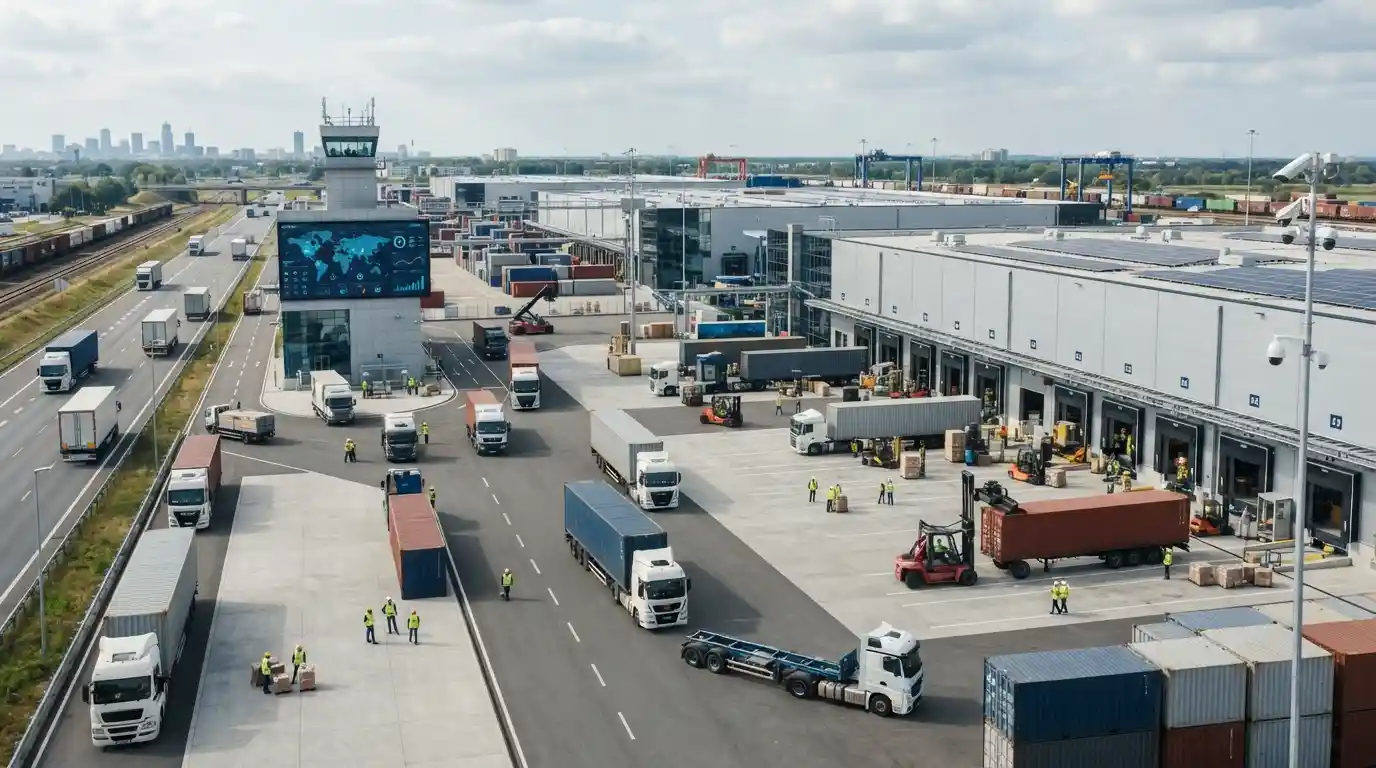
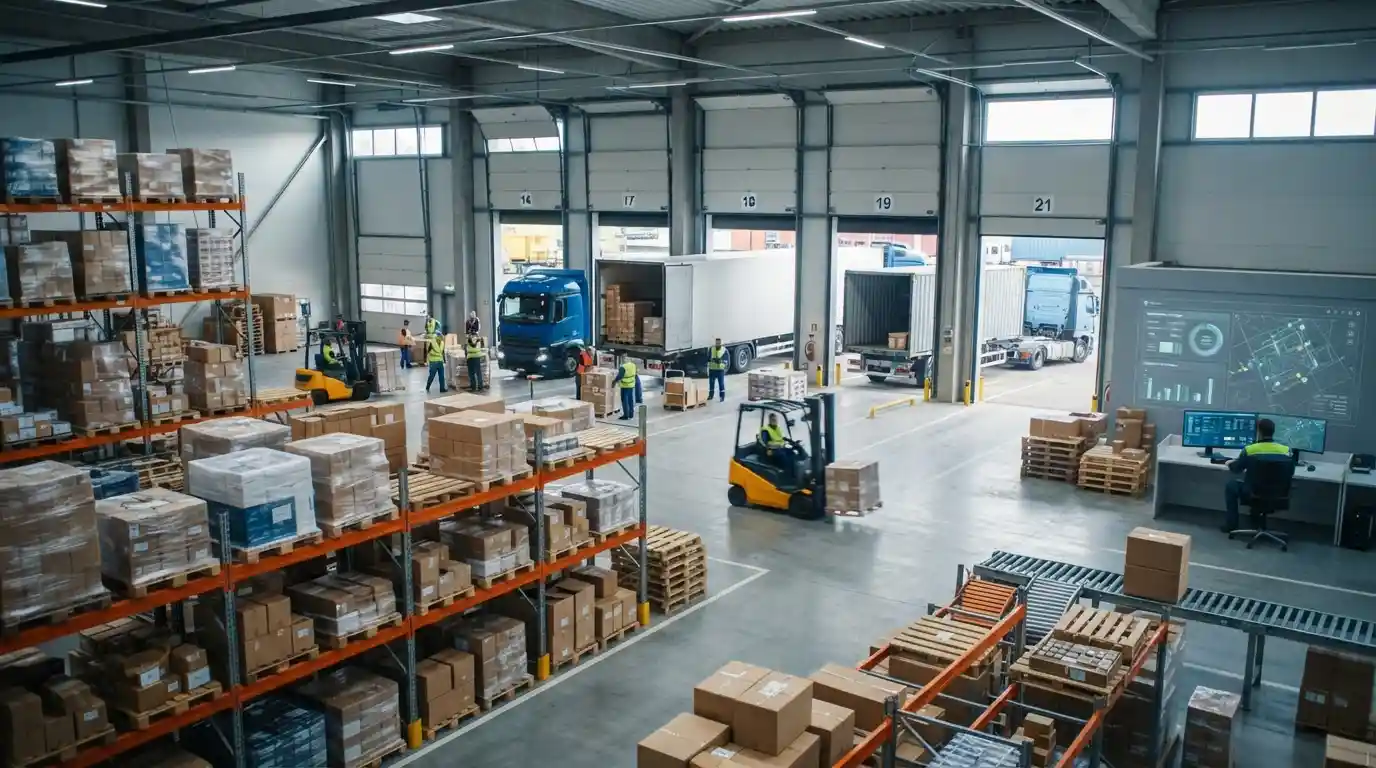
For companies evaluating logistics providers, the goal is not simply to move freight from one location to another. Effective logistics also involves planning, inventory coordination, shipment visibility, fulfillment, transportation management, and the ability to respond when delivery requirements change. This is where an integrated 3PL approach can make a meaningful difference.
What Makes Omni Logistics Chicago Relevant to Modern Supply Chains?
Chicago is one of the most important transportation markets in the United States, with access to major highways, airports, rail infrastructure, distribution networks, and large commercial markets. For businesses operating across multiple regions, this connectivity can support faster movement between suppliers, warehouses, distribution centers, and customers.
Omni Logistics Chicago operates from the Mount Prospect area near O’Hare International Airport, Midway International Airport, and major freeways. Its Chicago operation provides logistics services that include freight forwarding, warehousing and distribution, specialized services, and technology-supported logistics management.
This type of positioning is particularly relevant for businesses handling high-value, complex, urgent, or specialized freight. Instead of treating transportation as an isolated activity, modern supply chain management connects transportation with inventory, fulfillment, technology, and final delivery.
Key Logistics Services Supporting Supply Chain Performance
Freight Forwarding
Freight forwarding plays an important role when shipments need to move through domestic or international transportation networks. Depending on the shipment, businesses may require air, ocean, ground, expedited, or multimodal transportation.
A coordinated forwarding strategy can help businesses manage transportation requirements while reducing unnecessary handoffs. Companies researching broader logistics solutions can also explore JJDL logistics services and global cargo logistics and shipping as related supply chain topics.
Warehousing and Distribution
Warehousing is more than simply storing products. Modern facilities may support receiving, inventory management, order preparation, packaging, kitting, cross-docking, fulfillment, and distribution.
Efficient warehousing can reduce unnecessary movement and help businesses maintain better control over inventory. When storage and transportation are coordinated, products can move through the supply chain with fewer delays and less operational friction.
The broader role of distribution infrastructure can also be seen in discussions surrounding the Gillem Logistics Center and modern supply chains, where centralized logistics infrastructure supports coordinated movement and distribution.
Specialized Logistics
Some shipments require more attention than standard freight. Medical equipment, technology products, high-value goods, project cargo, trade show materials, and other sensitive shipments may require specialized handling and delivery procedures.
Specialized logistics can involve additional planning, secure handling, packaging, installation support, scheduled delivery, or reverse logistics. These services become particularly important when the cost of a delay or damaged shipment is significantly higher than the transportation cost itself.
Businesses interested in specialized supply chain operations can also review the related AVTS logistics and supply chain management topic for another perspective on modern logistics operations.
How Chicago’s Location Can Support Faster Logistics
Location is a major consideration when designing a distribution network. Chicago provides access to multiple transportation modes, allowing logistics planners to select routes based on shipment urgency, cost, distance, and operational requirements.
Proximity to major airports can be valuable for time-sensitive air freight, while highway access supports regional and national ground transportation. This combination can help companies build transportation strategies that balance speed with cost.
For businesses serving customers across the United States, a strategically positioned Chicago logistics operation can also function as part of a larger network rather than as a standalone facility.
Transportation planning is closely connected with efficient operational scheduling. Companies looking at the wider relationship between scheduling and business performance may also find the discussion of timeline management and high-output operations relevant to logistics planning.
Technology and Supply Chain Visibility
Technology has become an important part of logistics management because businesses increasingly expect real-time information about shipments, inventory, transportation status, and delivery progress.
Transportation Management Systems and Warehouse Management Systems can help connect different stages of a logistics operation. When information is centralized, businesses can make decisions using current operational data rather than relying exclusively on manual updates.
Digital transformation also affects how logistics teams communicate with customers, carriers, warehouses, and internal departments. The broader digital transformation of business operations demonstrates how connected systems can improve the flow of information between different parts of an organization.
Technology-focused businesses can also explore related discussions such as digital innovation and technology solutions and modern business technology solutions to understand how technology increasingly supports operational efficiency.
Why Real-Time Visibility Matters
Supply chain disruptions can become difficult to manage when businesses lack accurate information about where inventory or shipments are located. Visibility helps logistics teams identify problems earlier and coordinate corrective actions.
For example, a delayed shipment may require a route adjustment, alternative transportation method, revised delivery schedule, or communication with the receiving facility. The earlier a problem is identified, the more options a logistics team may have for responding to it.
Visibility also supports customer communication. When businesses know the status of a shipment, they can provide more accurate updates instead of relying on estimates or fragmented information.
Improving Efficiency Through Integrated Logistics
Supply chain efficiency is rarely created by optimizing one activity in isolation. Faster transportation does not necessarily improve the overall operation if inventory is poorly positioned or warehouse processes create delays.
An integrated logistics model considers the entire movement of goods. Transportation, warehousing, fulfillment, inventory handling, documentation, and final delivery can be coordinated around the same operational objectives.
This approach is particularly useful for businesses experiencing growth. As shipment volumes increase, manually coordinating individual logistics activities can become increasingly difficult. A structured logistics network can provide the processes and infrastructure needed to handle greater complexity.
Companies exploring broader business-service efficiency can also review business services and operational strategy and modern approaches to business excellence as related examples of how organizations use structured systems to improve performance.
Managing Time-Critical Shipments
Not every shipment can follow a standard transportation schedule. Manufacturing interruptions, product launches, medical requirements, technology deployments, and urgent replacement parts can create situations where delivery speed becomes a critical operational requirement.
Time-critical logistics requires more than choosing a faster transportation method. It involves coordinating pickup, transportation, handling, tracking, delivery appointments, and communication throughout the shipment lifecycle.
In these situations, logistics providers may combine expedited transportation with specialized handling and real-time shipment monitoring. The objective is to reduce uncertainty while keeping the shipment moving according to the required timeline.
Supply Chain Support for High-Value Products
High-value products require careful logistics planning because the consequences of loss, damage, delay, or mishandling can be significant. Secure facilities, controlled access, appropriate handling procedures, and shipment visibility can therefore become important considerations.
Technology products are one example. Businesses moving sensitive equipment may need transportation and storage environments that account for security, packaging, configuration, and final delivery requirements.
The growing relationship between technology and business operations is also reflected in topics such as technology-driven business transformation and technology solutions for modern businesses.
Reverse Logistics and Supply Chain Flexibility
Efficient supply chains must also account for what happens after delivery. Returns, replacements, repairs, recalls, recycling, and product recovery all require reverse logistics processes.
A well-designed reverse logistics system can help organizations move returned products back through the supply chain while maintaining visibility and operational control. This can be especially important for businesses with large customer bases or products that require servicing and replacement.
Supply chain flexibility becomes increasingly valuable when customer demand changes quickly. Businesses need logistics networks capable of adjusting transportation, inventory, and fulfillment processes without creating unnecessary disruption.
How Businesses Can Evaluate a Logistics Provider
Companies comparing logistics providers should look beyond basic transportation pricing. A logistics partner should be evaluated according to the specific requirements of the business and the complexity of its supply chain.
- Network coverage: Consider whether the provider can support the geographic markets that matter to the business.
- Transportation options: Review available air, ground, ocean, expedited, and multimodal solutions.
- Warehousing capabilities: Determine whether storage, fulfillment, kitting, packaging, or distribution services are required.
- Technology: Look for shipment visibility, reporting, integration, and inventory-management capabilities.
- Specialized handling: Confirm whether the provider can manage sensitive, high-value, oversized, or time-critical shipments.
- Scalability: Consider whether the logistics network can adapt as shipment volumes and geographic requirements change.
- Communication: Clear communication is essential when shipments encounter delays or unexpected operational issues.
Businesses researching operational technology can also explore technology-enabled business solutions and innovation in modern technology development as related areas where digital infrastructure influences business operations.
The Role of Logistics in Business Growth
Logistics directly influences how quickly businesses can deliver products, replenish inventory, respond to customer demand, and enter new markets. As operations become more complex, logistics can become a strategic part of business planning rather than simply an administrative function.
A strong logistics network can support growth by creating repeatable processes for transportation, storage, fulfillment, and delivery. It can also give businesses greater visibility into operational performance and help identify areas where delays or unnecessary costs occur.
For organizations operating in technology, manufacturing, healthcare, retail, or other sectors where timing and precision matter, supply chain efficiency can have a direct relationship with customer experience and business continuity.
Omni Logistics Chicago and the Future of Supply Chain Efficiency
The logistics industry continues to move toward greater visibility, automation, integrated transportation networks, and data-driven decision-making. Businesses increasingly expect logistics providers to support more than transportation alone.
Omni Logistics Chicago fits into this broader model by combining freight forwarding, warehousing and distribution, specialized logistics, and technology-supported supply chain management. Its Chicago location also provides access to major transportation infrastructure, making the region relevant for companies managing domestic and international freight.
Ultimately, supply chain efficiency depends on how well transportation, warehousing, technology, inventory, and delivery processes work together. For companies evaluating logistics options in the Chicago market, understanding these interconnected capabilities can help them build a supply chain that is more responsive, visible, and scalable.
Final Thoughts
Omni Logistics Chicago represents the broader evolution of logistics from basic freight movement toward integrated supply chain management. Modern businesses need transportation solutions that can adapt to changing demand while maintaining visibility, security, speed, and operational control.
Whether the requirement involves freight forwarding, warehousing, distribution, specialized handling, time-critical delivery, or technology-enabled visibility, the most effective logistics strategy is one that connects each stage of the supply chain. For businesses operating in and around Chicago, that integrated approach can provide a framework for managing increasingly complex logistics requirements while supporting long-term operational growth.