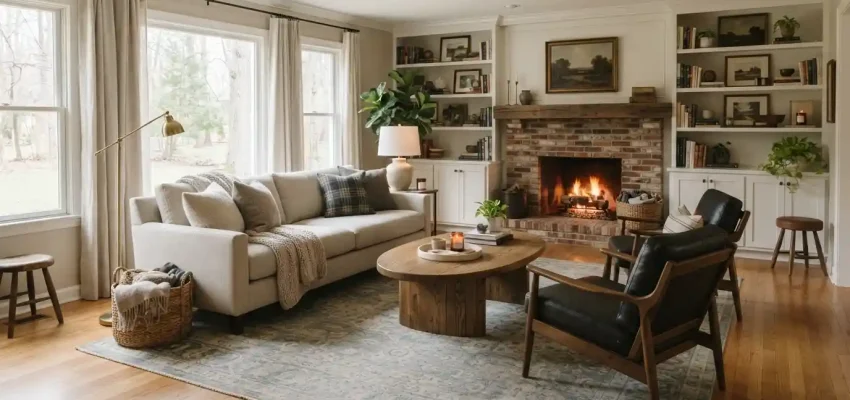

Furniture influences how a room works, how people move through it, and how the space feels. A well-selected sofa can become the center of a living room, a thoughtfully designed dining set can make everyday meals more enjoyable, and the right bedroom furniture can create a calmer environment for rest. This makes furniture shopping an important part of home improvement and interior planning.
Whether you are furnishing a new property, updating an older home, or completing a larger renovation, the right approach can help you create a cohesive interior without sacrificing practicality.
What Makes Furniture Important to a Home?
Furniture is one of the most visible and frequently used elements of an interior. Unlike decorative accessories that can be changed quickly, larger furniture pieces often remain in a home for years. That means buyers need to think beyond appearance and consider comfort, durability, dimensions, materials, and how each item will be used.
A successful furniture plan balances three major elements: style, function, and proportion. A beautiful sectional may not be suitable for a small living room, while an extremely compact dining table may not work well for a family that regularly entertains guests.
This is why furniture decisions should be connected to the wider home environment. If you are already considering home expansion and additional living space, for example, it makes sense to think about how new rooms will eventually be furnished before selecting major pieces.
Choosing Furniture That Fits Your Lifestyle
The best furniture choices begin with understanding how a household actually uses its rooms. A home occupied by young children may require stain-resistant fabrics and durable construction, while someone working from home may prioritize an ergonomic desk and comfortable office chair.
Before purchasing anything, consider the following:
- How many people regularly use the room?
- How much floor space is available?
- Will the furniture be used every day or occasionally?
- Are children or pets using the space?
- Does the furniture need to serve multiple purposes?
- What interior style should the room communicate?
- How much maintenance are you willing to handle?
Answering these questions can make the shopping process much easier. It also prevents buyers from choosing furniture simply because it looks attractive in a showroom without considering how it will perform at home.
Living Room Furniture for Everyday Comfort
The living room is often one of the most frequently used areas in a house, so comfort should be a major consideration. Sofas, sectionals, accent chairs, coffee tables, media furniture, and occasional tables all contribute to the room’s overall character.
When selecting a sofa, measure the available wall and floor space first. Remember to consider doorways, staircases, hallways, and other access points. A piece that fits beautifully on paper may still be difficult to bring into the home if the entry route is too narrow.
Color is another important factor. Neutral furniture can provide flexibility because it works with changing accessories, wall colors, and decorative styles. More distinctive furniture can become a focal point when the rest of the room is intentionally understated.
Homeowners looking for broader home improvement and living-space services may also want to coordinate furniture decisions with flooring, lighting, wall treatments, and other renovation work.
Dining Room Furniture That Combines Style and Function
A dining room should feel welcoming while providing enough space for everyday meals and larger gatherings. The dining table is naturally the central element, but chairs, storage pieces, lighting, and room proportions all affect the final result.
Measure the table carefully and leave sufficient clearance around it. People should be able to pull chairs out comfortably without blocking nearby furniture or walkways.
For smaller homes, extendable dining tables can provide additional flexibility. They allow a household to maintain a compact footprint during everyday use while creating additional seating when guests arrive.
Bedroom Furniture for a More Relaxing Space
Bedroom furniture should support both comfort and organization. A bed is obviously the most important piece, but nightstands, dressers, chests, benches, and storage furniture can dramatically affect how practical the room becomes.
Choose furniture according to the size of the bedroom rather than selecting pieces individually. Oversized furniture can make a small room feel crowded, while undersized pieces may look disconnected in a large bedroom.
Storage should also be considered early. A stylish dresser or chest can reduce clutter and help maintain a calmer visual environment. Matching or coordinated pieces can create a more unified appearance, although mixing complementary finishes can also produce a more personalized look.
Furniture Materials and Long-Term Durability
Furniture should be evaluated according to its construction as well as its appearance. Wood, engineered materials, metal, glass, leather, fabric, and combinations of these materials can each provide different advantages.
When comparing furniture, inspect construction details such as joints, frame strength, drawer movement, hardware, upholstery, and surface finishes. These details can provide useful clues about how a piece may perform under regular use.
Maintenance requirements are equally important. A material that looks impressive but requires constant upkeep may not be appropriate for a busy household. In contrast, durable and easy-care materials can provide a practical solution for high-traffic rooms.
Creating a Cohesive Interior Design
Buying individual furniture pieces without considering the entire room can result in an interior that feels disconnected. Instead, think about the relationship between furniture, flooring, wall colors, lighting, window treatments, and accessories.
A useful approach is to establish a design direction before shopping. This does not mean every piece needs to match perfectly. Instead, choose common elements such as similar wood tones, complementary colors, repeated shapes, or consistent design details.
For homeowners working on a larger project, the modern home-improvement marketplace can also influence how renovation, design, and furnishing decisions are coordinated.
Think About Furniture Before Buying a Home
Furniture planning can even begin before moving into a property. Room dimensions, floor plans, architectural details, windows, fireplaces, and built-in features can all affect furniture placement.
For buyers researching residential property, understanding how a home can accommodate furniture is another useful part of evaluating the space. Resources covering real estate and residential property opportunities can provide broader context for people thinking about housing decisions and future interior needs.
Similarly, people considering homes in established communities may find that property layout and available floor space have a major influence on furnishing possibilities. Articles covering Poconos real estate, Berkshire real estate, or Sayner real estate illustrate how property characteristics can become part of the larger home-planning conversation.
Furniture Shopping on a Practical Budget
Furniture does not need to be inexpensive to provide value, and the most expensive item is not automatically the best choice. A better strategy is to divide the budget according to importance.
Spend more attention and budget on pieces that receive heavy daily use, such as sofas, beds, and dining tables. Decorative furniture and occasional pieces can often be selected later as the room develops.
Before making a purchase, compare construction quality, materials, dimensions, warranties where applicable, and expected longevity. Financing may also make larger purchases easier to manage, but buyers should understand the complete cost and repayment terms before committing.
Why Measurements Matter Before You Buy
One of the most common furniture-shopping mistakes is failing to measure the space accurately. Take measurements of the room, doorways, stairways, elevators, and other access points before ordering large pieces.
Create a basic floor plan and mark the intended furniture positions. Painter’s tape can also be used on the floor to outline the footprint of a sofa, table, bed, or cabinet. This simple exercise makes it easier to understand how much space a piece will actually occupy.
Leave adequate walking space between furniture pieces. A room should feel comfortable rather than overloaded, especially when multiple people use it simultaneously.
Furniture, Retail Design, and Presentation
The way furniture is displayed can also influence how shoppers understand its potential. Well-designed showroom layouts allow customers to see how different pieces work together rather than viewing every item in isolation.
This principle extends beyond furniture stores. Retail businesses can use carefully planned product presentation to help customers imagine products in real-world environments. A related example is the use of a retail display island to organize merchandise and encourage customer interaction.
For furniture businesses, effective presentation can demonstrate scale, color combinations, room layouts, and practical use. Customers can then make decisions based on a more realistic understanding of how individual pieces might fit into their homes.
Furniture and the Modern Consumer Shopping Journey
Today’s furniture shoppers often research products online before visiting a physical store. They may compare styles, dimensions, materials, prices, reviews, and room ideas before deciding what they want.
This makes digital presentation increasingly important for businesses selling furniture and home products. Research into digital marketing for retail businesses demonstrates how modern retailers can use online channels to connect product discovery with customer interest.
The same principle applies to broader consumer products. Discussions surrounding the digital marketing of consumer products highlight the importance of helping customers discover products, understand their value, and move toward informed purchasing decisions.
How Home Services Can Complement Furniture Choices
Furniture is only one part of creating a finished home. Painting, flooring, lighting, remodeling, storage improvements, and other services can change how furniture looks and functions within a room.
For homeowners planning several upgrades at once, coordinating furniture purchases with other work can prevent unnecessary complications. For example, flooring may be easier to install before heavy furniture is moved into a room, while electrical or lighting changes may influence the final furniture layout.
Homeowners can explore broader home service considerations when organizing multiple household projects.
Furniture for Homes With Different Needs
Every household has different priorities. A young family may need durable seating and flexible storage. Someone living alone may prioritize design and compact multifunctional furniture. Older homeowners may prefer pieces that provide easier access and comfortable seating heights.
Pet owners should consider upholstery durability and cleaning requirements. People who frequently entertain guests may need expandable tables, additional seating, or flexible living-room arrangements.
The goal is not to follow a particular design trend. The goal is to create a home that works naturally for the people who live there.
Building a Timeless Home Interior
Trends can be useful for inspiration, but timeless interiors usually rely on adaptable foundations. Neutral larger furniture pieces can remain useful even when accent colors and decorative styles change.
Instead of replacing an entire room every few years, homeowners can refresh the space through rugs, artwork, cushions, lamps, curtains, and smaller decorative elements. This approach can extend the useful life of major furniture investments while allowing the room to evolve.
Timeless design is ultimately less about following one particular style and more about choosing pieces that remain functional, comfortable, and visually compatible with changing tastes.
Final Thoughts on Lifestyle Furniture Van Wert
For homeowners searching for Lifestyle Furniture Van Wert, furniture shopping can be an opportunity to rethink how a home looks, feels, and functions. The right pieces can improve comfort, organization, visual balance, and everyday usability.
The strongest furniture decisions begin with practical considerations: room measurements, household needs, durability, materials, budget, and long-term use. From there, style becomes a way to express personality and create an environment that feels welcoming.
Whether you are furnishing one room, updating an entire property, or coordinating furniture with a larger renovation, thoughtful planning can make the process considerably easier. By choosing furniture according to both lifestyle and space, homeowners can create interiors that remain comfortable and attractive for years to come.
For anyone beginning a broader home project, combining thoughtful furniture selection with appropriate improvement services, property planning, and interior organization can help turn an ordinary house into a more functional and personalized living environment.