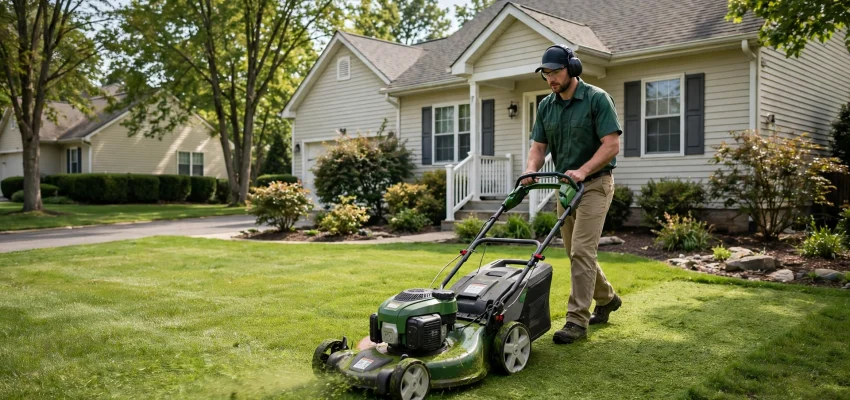

A beautiful yard does more than please the eye. According to real estate studies, quality landscaping can increase a home’s value by 5 to 15 percent, making it one of the highest-return improvements a homeowner can make. If you are thinking about selling, check current real estate market trends to see how curb appeal impacts prices in your area. The good news is that you do not need a professional designer or a five-figure budget to transform your outdoor space. These practical landscaping tips will help US homeowners create a lush, healthy, envy-worthy yard in 2026.
Start With a Plan, Not Plants
The biggest mistake beginners make is buying plants on impulse and sticking them wherever there is space. Instead, start by sketching your yard, noting sun exposure, drainage patterns, existing trees, and how you actually use the space. Do you need a play area for kids? A shady reading nook? Room for entertaining? Let function drive the design. Measure your beds, photograph the yard from multiple angles, and plan on paper before spending a dollar. An hour of planning saves countless hours of rework. The online home services marketplace offers design tools and professional consultations if you want expert input on your plan.
Know Your Zone and Soil
Choose plants suited to your USDA hardiness zone and your specific soil. A plant that thrives in Georgia clay may wither in Arizona sand. Get a soil test through your local cooperative extension office, it is usually cheap or free, and tells you exactly what amendments your soil needs. Most turf grasses and garden plants prefer slightly acidic to neutral soil (pH 6.0 to 7.0). Amending soil before planting is far easier and more effective than fighting poor soil for years.
Lawn Care Basics That Actually Work
A thick, green lawn is the foundation of most landscapes. Master these fundamentals:
- Mow high. Set your mower to 3 to 4 inches. Taller grass develops deeper roots, shades out weeds, and stays greener in heat. Never remove more than one-third of the blade height in a single mow.
- Water deeply, not daily. Lawns need about 1 to 1.5 inches of water per week, delivered in one or two deep soakings. Frequent shallow watering creates weak, shallow roots.
- Fertilize on schedule. Most cool-season grasses benefit from feeding in early fall and late spring; warm-season grasses prefer late spring and summer feeding. A soil test tells you exactly what nutrients are needed.
- Overseed thin areas. Fall overseeding fills bare spots before weeds move in. Rake the seed into the soil lightly and keep it moist until germination.
- Sharpen mower blades. Dull blades tear grass instead of cutting it, leaving brown tips vulnerable to disease. Sharpen at least once per season.
Choose Low-Maintenance, Native Plants
Native plants are adapted to your local climate, resist local pests, and need less water and fertilizer once established. They also support pollinators and local wildlife. Visit a native plant nursery or check your state’s native plant society for recommendations. Group plants with similar water needs together (hydrozoning) to avoid overwatering some while underwatering others. And always give plants their mature spacing, overcrowding leads to disease and constant pruning.
Mulch: The Hardest-Working Material in Your Yard
A 2- to 3-inch layer of mulch around trees, shrubs, and in garden beds suppresses weeds, retains soil moisture, moderates soil temperature, and gradually improves soil as it decomposes. Keep mulch a few inches away from trunks and stems to prevent rot. Hardwood bark, pine straw, and shredded leaves all work well. Replenish annually as it breaks down. Few landscaping investments deliver more benefit per dollar than mulch.
Boost Curb Appeal on a Budget
You do not need a full redesign to make a dramatic difference:
- Define bed edges. A crisp edge between lawn and beds, cut with a half-moon edger, instantly makes a yard look professionally maintained.
- Add seasonal color. Flats of annuals at the entryway or in containers deliver instant impact for little money. Pair them with quality outdoor furniture to create an inviting patio or porch space.
- Upgrade lighting. Solar or low-voltage path lights highlight your best features and add evening charm for a few hundred dollars.
- Paint or stain the front door. A bold, welcoming color draws the eye and lifts the whole facade.
- Hide the eyesores. A simple lattice screen or strategic shrubbery conceals trash bins, AC units, and utility boxes.
Water Wisely in 2026
With water costs rising and drought affecting many regions, smart irrigation is essential. Water early in the morning to minimize evaporation. Consider drip irrigation for beds, it delivers water directly to roots with minimal waste. Rain barrels capture free water for containers and gardens. And many municipalities offer rebates for replacing thirsty turf with drought-tolerant landscaping, check local programs before you dig.
When to Call a Landscaping Professional
DIY handles most routine landscaping, but call a pro for: grading and drainage problems (water pooling near your foundation is serious), large tree work, retaining walls over two feet tall, irrigation system installation, and full design overhauls. Expect to pay $50 to $100 per hour for landscaping labor, or $4 to $12 per square foot for full design-and-install projects. Get multiple quotes and check references, just as you would for any contractor. Working with vetted home service professionals ensures quality results, especially for larger home improvement projects that reshape your outdoor space.
Final Thoughts
Great landscaping in 2026 is not about spending the most, it is about planning smart, choosing the right plants for your conditions, mastering lawn basics, and maintaining consistently. Start with a plan, mulch generously, water wisely, and add color where it counts. Your yard, and your home’s value, will thank you.