
Drafty windows make a home uncomfortable in winter and hot in summer, and they quietly raise energy bills all year. New windows can fix drafts, cut outside noise, and make a home look cared for from the street. Yet the price varies widely, and the window replacement cost for one home can be very different from the cost for a similar home nearby. The difference usually comes down to window size, material, style, and installation method.
This guide gives realistic USA price ranges for 2026, explains the choices that matter most, and shows how to get a fair quote. All prices are typical ranges, not fixed quotes. Your location, the number of windows, and the condition of your frames will move the final total.
How Much Does Window Replacement Cost?
Most American homeowners pay between $300 and $1,000 per window installed, including the unit and labor, for a standard double-hung vinyl window. A full-house project with 10 windows therefore often lands between $3,000 and $10,000 for vinyl. Wood windows cost more, typically $800 to $1,500 per window installed, while fiberglass windows fall in between at $500 to $1,200 per window. Large, custom, or specialty windows, such as bay windows or oversized picture windows, can cost $1,500 to $3,500 each.
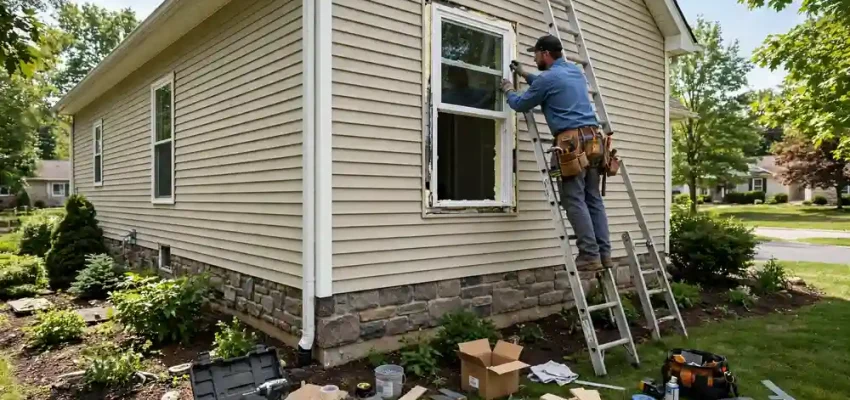
Two installation methods explain much of the price spread. An insert replacement, where the new window fits inside the existing frame, is faster and cheaper, usually $300 to $800 per window. A full-frame replacement, where the old frame is removed down to the studs, costs more, usually $500 to $1,200 per window, but it fixes rot, improves insulation, and allows a different window size. The right method depends on the condition of your frames, not just the price.
Window Replacement Cost by Material
Vinyl is the most popular choice in the USA because it is affordable, low-maintenance, and energy-efficient. It never needs painting, and it resists moisture well. Its limits are color choice and a bulkier frame look, which some homeowners dislike on older homes. Wood offers a classic look and excellent insulation, but it needs painting or sealing and costs more to maintain. Fiberglass is strong, stable in heat and cold, and can be painted, but it costs more than vinyl and fewer contractors stock it.
Aluminum is strong and slim, which suits modern designs and large openings, but it conducts heat more than other materials, so it is less efficient unless it has a thermal break. Composite windows blend wood fibers and polymers for a wood-like look with lower maintenance, and they sit in the mid-to-high price range. When you compare quotes, make sure each one names the material, the glass package, and the warranty, because two windows that look alike can perform very differently. If your project also includes exterior work, compare the timing with a house painting cost estimate, so painting and window work are sequenced in the right order.
Window Styles and Their Price Differences
- Double-hung windows: $300 to $900 installed; the most common style, with two sashes that slide and tilt for cleaning.
- Single-hung windows: $250 to $700 installed; only the bottom sash moves, which keeps the price lower.
- Casement windows: $400 to $1,000 installed; they crank open fully, which gives excellent ventilation.
- Sliding windows: $350 to $900 installed; simple and good for wide, short openings.
- Picture windows: $400 to $1,200 installed; fixed glass with no moving parts, ideal for views.
- Bay or bow windows: $1,500 to $3,500 installed; they project outward and add space and light.
Style affects both price and daily use. A casement window seals tightly and ventilates well, which suits bedrooms and kitchens. A picture window gives the best view but no airflow, so it works best when paired with an operable window nearby. Think about how you use each room, not just the look, before you choose a style for every opening.
What Else Affects the Price?
Glass options matter. Double-pane glass is standard today, while triple-pane glass adds insulation and noise reduction at a higher price. Low-E coatings reflect heat and protect furniture from sun damage, and argon gas between panes improves insulation further. In hot climates, a low solar-heat-gain coating matters more; in cold climates, a high insulation value matters more. Ask for the U-factor and solar heat gain numbers for each quote, rather than trusting a vague claim about energy savings.
Frame condition is another factor. If frames are rotted or out of square, an insert replacement may not be possible, and full-frame work becomes necessary. That extra labor is worth it, because fitting a new window into a damaged frame traps the problem inside. Accessibility also affects labor: second-story windows, windows over a stairwell, or windows behind landscaping take longer to reach and protect. A contractor should visit the home and measure every opening before quoting, not guess from photos alone.
Energy Savings: What Is Realistic?
New windows can cut drafts and improve comfort, but the energy savings alone rarely pay back the full cost quickly. A realistic expectation is a modest reduction in heating and cooling bills, plus a clear gain in comfort, noise reduction, and appearance. The largest savings come when old single-pane windows are replaced, or when the home also gets air sealing and insulation. If energy savings are your main goal, compare window work with attic insulation, which often delivers more savings per dollar, and plan the two jobs together if both are needed.
How to Get a Fair Window Quote
Get at least three written quotes, and ask each contractor to list the window brand, model, material, glass package, installation method, and warranty for both the product and the labor. Ask how they will protect floors and furniture, how they will dispose of old windows, and what happens if rot is found during removal. A clear answer on rot is important: some quotes exclude it, and the extra charge appears only after work starts.
Check the warranty carefully. Product warranties often run 20 years or longer, but labor warranties vary from one year to a lifetime, and the details matter. Ask who handles a warranty claim, the manufacturer or the installer, and how long a service visit takes. Also ask about the installation crew: experienced installers make fewer mistakes with flashing and sealing, and flashing is what keeps water out of your walls. A cheap installation with poor flashing can cause damage that costs far more than the savings. For related interior work after windows are in, a drywall repair cost estimate helps you budget for any wall touch-ups around new frames.
Timing, Permits, and Project Planning
Most window projects take one to three days for a typical home, depending on the number of windows and the method. Full-frame replacements take longer than inserts, and custom windows take weeks to manufacture before installation day. Order early if you have a deadline, and confirm the delivery date in writing. Permits are not always required for like-for-like replacements, but rules vary by city, especially for size changes or historic homes. Your contractor should know the local rule and include any permit cost in the quote.
Plan the order of work if you are doing several exterior jobs. Windows usually come before exterior painting, so fresh paint is not damaged by installation. If you are adding rooms or changing the layout, a home addition cost guide helps you decide whether to include new windows in the larger project rather than as a separate job. For structural questions, such as a wall that may carry load, a general contractor can coordinate the window work with framing and finishing, so nothing is done twice.
Common Window Replacement Mistakes
The most common mistake is choosing the cheapest window without checking its ratings. A low price often means thinner frames, weaker hardware, and poorer seals, which show up as drafts and sticking sashes within a few years. Another mistake is replacing only the worst windows and leaving mismatched styles across the front of the home, which hurts curb appeal. If budget is tight, replace a full side of the home at once, or all street-facing windows together, rather than one random window at a time.
Do not ignore the wall around the window either. Water damage, mold, or missing insulation in the wall will not be fixed by a new window alone, and it should be addressed while the opening is exposed. Finally, test every window before the crew leaves: open and close each sash, lock and unlock it, and check for drafts with your hand on a windy day if possible. For homes with drainage or moisture concerns, related work such as a French drain or crawl space encapsulation may matter more than windows alone, and a roof repair check can rule out leaks that look like window leaks. A foundation repair review is also wise if windows are sticking because the house has shifted, and a home warranty review can clarify what is covered before you spend.
Conclusion
For most American homes, the window replacement cost lands between $300 and $1,000 per window for vinyl, with wood and fiberglass higher and full-frame work adding to the total. Choose the material and glass package for your climate, insist on a written quote with model numbers and installation method, and hire experienced installers who flash and seal correctly. Done well, new windows bring comfort, quiet, and curb appeal that last for decades.