
Your crawl space is the part of your home you think about least — until it starts costing you money. Damp, musty air under the house feeds mold, rots floor joists, invites pests, and quietly drives up your heating and cooling bills as conditioned air leaks downward and humid air seeps up. The fix that solves all of this at once is encapsulation: sealing the crawl space with a heavy-duty vapor barrier, closing vents, insulating the walls, and controlling humidity. But what is crawl space encapsulation cost in 2026, and is it worth the investment?
According to 2026 Angi data, full professional crawl space encapsulation averages about $5,500, with most projects landing between $5,000 and $15,000. On a per-square-foot basis, expect $2 to $10 installed depending on the size of your space, its condition, and how much repair work has to happen before the sealing can begin. This guide breaks down every cost component, the repairs that inflate quotes, and the long-term payback that makes encapsulation one of the highest-value upgrades a US homeowner can make.
What Is Crawl Space Encapsulation?
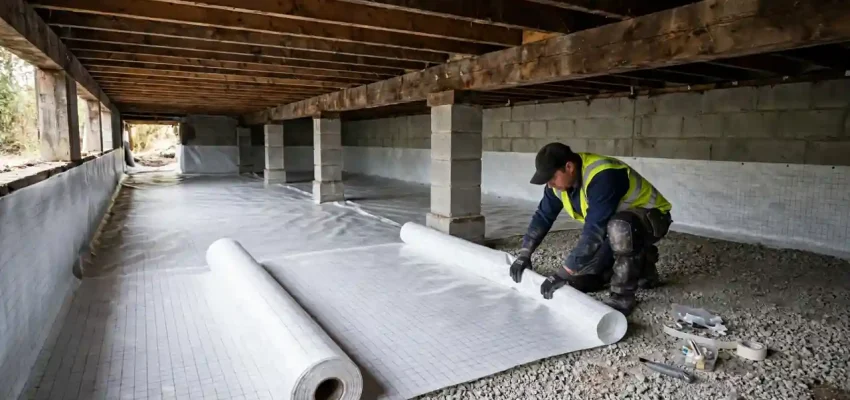
Encapsulation converts your crawl space from an open, vented under-house cavity into a sealed, conditioned part of the building envelope. A full system typically includes five components: a reinforced polyethylene vapor barrier (usually 20-mil) laid over the ground and lapped up the walls, sealed foundation vents, closed and sealed gaps around pipes and penetrations, wall or floor insulation, and a dehumidifier or conditioned-air supply to keep relative humidity below 55 percent.
Why does it matter? An unsealed crawl space breathes. Moisture evaporates off the soil, enters through vents, and wicks through porous foundation walls. That moisture breeds mold on joists, rusts ductwork, attracts termites and rodents, and creates the musty smell that drifts up into your living space. Encapsulation breaks that cycle — and because the stack effect pulls crawl space air upward into your home, sealing the crawl space measurably improves the air you breathe upstairs.
Average Crawl Space Encapsulation Cost in 2026
The headline numbers are consistent across 2026 cost guides. Angi reports a national average of $5,500, with an average project range of $5,000 to $15,000 and a wider span of roughly $1,500 to $15,000 once the simplest and most complex jobs are counted. A basic liner-only install in a clean, dry, easy-to-access 800-square-foot space sits near the bottom of the range. A large space with active water intrusion, existing mold, and a new dehumidifier lands at the top.
The single most important thing to understand about crawl space encapsulation cost is that the condition of your space determines your price far more than the size of it. A pristine crawl space that just needs sealing costs dramatically less than one that needs mold remediation, water damage repair, and structural work before the first sheet of liner goes down.
Crawl Space Encapsulation Cost Per Square Foot
Installed pricing per square foot is the quickest way to sanity-check a quote. In 2026:
- Basic encapsulation: $2 to $4 per square foot — liner, sealed vents, and minimal prep in a clean, dry space.
- Extensive encapsulation: $3 to $10 per square foot — full system with drainage, dehumidifier, insulation, or significant cleaning and repair.
Size still matters for the total. Angi’s 2026 data puts a small 1,000-square-foot encapsulation at $2,000 to $10,000, a medium 2,000-square-foot job at $4,000 to $20,000, and a large 3,000-square-foot project at $6,000 to $30,000. Labor is the largest single cost line — typically 50 to 70 percent of the bid — because crawl space work is physically demanding and usually requires a two-person crew working in tight quarters.
Pre-Existing Repairs That Inflate Your Quote
This is where encapsulation budgets balloon. Contractors cannot seal a space that has active problems — the moisture, mold, or pests would just get locked in. Here are the most common prep repairs from 2026 cost data, and what they add:
- Vent issues: $100–$500
- Sealing foundation cracks: $200–$1,000
- Pest treatment and cleanup: $500–$10,000
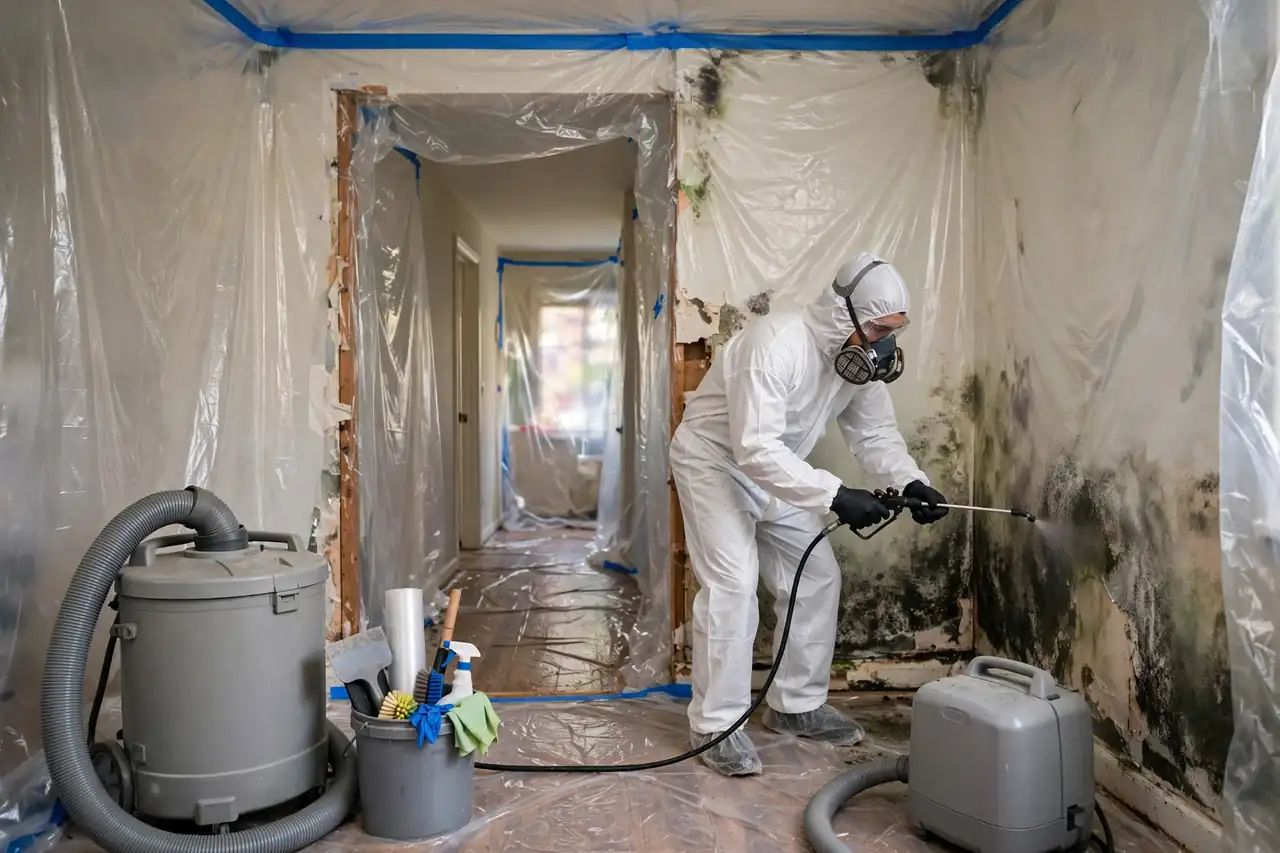
- Mold remediation: $1,000–$3,500
- Water damage repair: $1,000–$10,000
- Sagging floor / structural repair: $1,500–$10,000
- Waterproofing (drainage, sump pump): $1,500–$7,000
- Major structural repairs: $1,500–$16,000
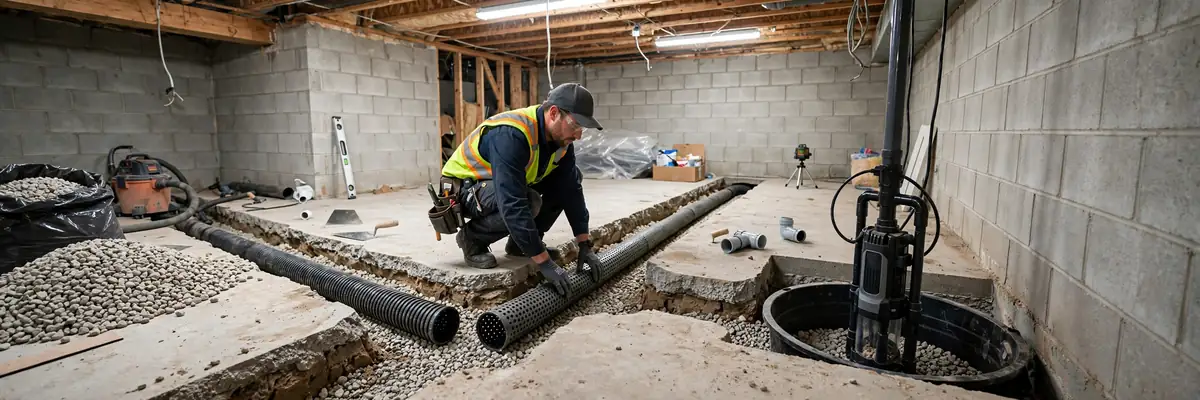
If your crawl space has standing water, you will likely need drainage and a sump pump installed before encapsulation — many homeowners bundle this with basement waterproofing expertise, since the same waterproofing contractors handle both. Structural concerns like cracked or settling foundations should also be resolved first; get a clear picture of foundation repair pricing before your encapsulation contractor starts.
What’s Included in a Full Encapsulation System
To compare quotes fairly, make sure every bid includes the same components. A proper full-system installation in 2026 should specify:
Vapor barrier liner
The heart of the system. Professional-grade liners are 20-mil reinforced polyethylene (much thicker than the 6-mil sheeting sold at hardware stores), mechanically fastened to the walls and sealed at every seam and penetration. Liner quality is a major reason professional encapsulation lasts decades while DIY sheeting fails in a few years.
Sealed vents and air gaps
Open foundation vents were designed for an era before we understood crawl space moisture dynamics. Sealing them — and caulking every pipe, wire, and duct penetration — stops humid outside air from flowing in. This step alone can transform a damp crawl space.
Insulation
Many 2026 installs insulate the foundation walls (usually with rigid foam board) rather than the floor above, which brings the crawl space inside the home’s thermal envelope. If your floor insulation is sagging or water-damaged, plan on replacing it as part of the project.
Dehumidification
A commercial-grade crawl space dehumidifier keeps relative humidity in the safe zone (under 55 percent). Some systems tie into your home’s HVAC instead; if you go that route, keep up with HVAC maintenance so the system keeps the crawl space conditioned year-round.
Drainage and sump pump (if needed)
Spaces with water intrusion need an interior French drain and sump pump installed before the liner goes down. This is one of the biggest cost add-ons, but it is also what makes encapsulation actually work in wet climates.
DIY vs. Professional Crawl Space Encapsulation
DIY encapsulation is possible and can save 40 to 60 percent of the professional price — but it is a grueling job with real pitfalls. You will be cutting and taping heavy liner on your back in a low, dusty space, and the details matter enormously: a single unsealed seam or penetration defeats the system. Most DIY installs also use thinner 6-mil or 12-mil sheeting that tears and degrades.
Professionals bring the 20-mil reinforced liners, commercial dehumidifiers, proper drainage experience, and warranties. A reasonable middle ground: do the easy prep yourself (clearing debris, minor crack sealing) and leave the liner, drainage, and mechanical systems to a pro. For homes with mold, standing water, or structural issues, DIY is not worth the risk — address pest control and moisture problems with licensed professionals first.
Is Crawl Space Encapsulation Worth It? The Payback Math
At $5,000 to $15,000, encapsulation is a serious investment — so what does it return? The biggest measurable payoff is energy savings: the DOE and contractor case studies consistently show 15 to 25 percent reductions in heating and cooling costs once the crawl space is sealed and insulated, because you stop losing conditioned air and stop fighting humidity. On a $2,400 annual energy bill, that is $360 to $600 a year.
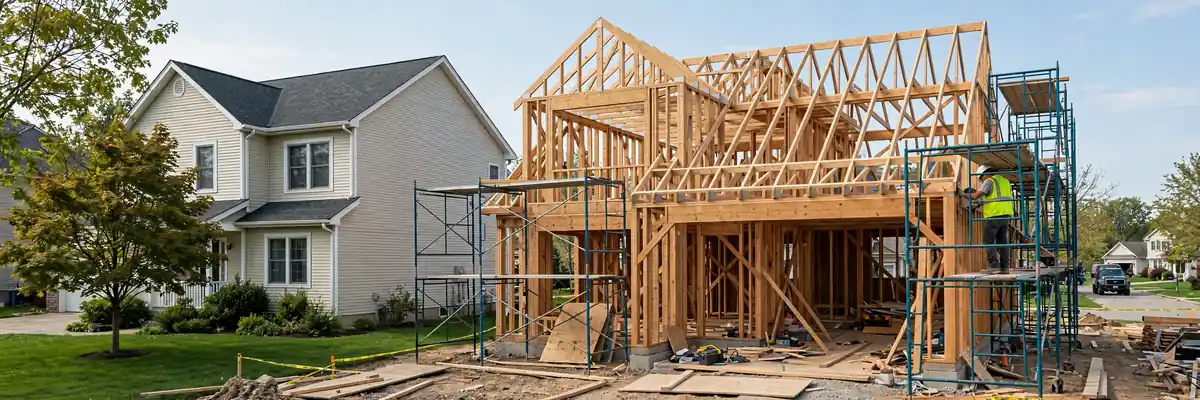
The rest of the payback is in avoided damage. Mold remediation averages over $2,300 a job; replacing rotted joists or subfloor runs into the thousands; termite damage from a damp crawl space can be catastrophic. Encapsulation also protects indoor air quality, eliminates musty odors, makes floors warmer in winter, and is a strong selling point at resale — buyers’ inspectors flag damp crawl spaces constantly. When you are evaluating a major project like this, it helps to plan the way you would any large home investment, the same way you would vet bids hiring a general contractor for a remodel.
Regional Crawl Space Encapsulation Costs
Your location shapes the price. Angi’s 2026 metro data shows Houston averaging about $5,423 (most projects $4,930–$14,790), where humidity, clay soil, and flood risk often push jobs toward more extensive systems. Los Angeles averages about $6,248 ($5,680–$17,040), with older homes and coastal moisture adding prep work. Detroit averages about $5,517 ($1,505–$20,060), where freeze-thaw cycles and snowmelt drive moisture problems. The pattern: humid, rainy, and high-cost-labor markets pay more.
How to Choose a Crawl Space Encapsulation Contractor
Get at least three written quotes, and compare them line by line — a quote that looks cheaper may simply omit the dehumidifier, insulation, or drainage that the others include. Verify the contractor’s license and insurance, ask how many encapsulations they complete per year, and request references with before-and-after photos. The bid should specify liner thickness (insist on 20-mil), seam-sealing method, vent-sealing approach, dehumidifier model, and warranty terms on both materials and labor.
Warning signs: quotes given without entering the crawl space, pressure to sign the same day, demands for full payment upfront, and any plan to seal the space without addressing existing mold or water. A reputable contractor will crawl the space, photograph everything, and explain exactly which repairs must come first. If plumbing leaks are part of the moisture story, line up finding a reliable plumber before the encapsulation begins.
Crawl Space Encapsulation Maintenance
Encapsulation is low-maintenance, not no-maintenance. Check the space twice a year for liner tears, standing water, or pest intrusions. Clean or replace the dehumidifier filter on schedule and confirm it is draining properly. Keep gutters clean and soil graded away from the foundation — exterior water management is what keeps the system from being overwhelmed. After heavy storms or flooding, inspect promptly. And watch for new odors or humidity spikes upstairs; they are early warnings that something below needs attention. Pair this routine with regular drain cleaning and sewer line awareness so drainage problems get caught early.
Frequently Asked Questions About Crawl Space Encapsulation Cost
How much does it cost to encapsulate a 1,000 sq ft crawl space?
In 2026, a 1,000-square-foot encapsulation typically runs $2,000 to $10,000, with most full-system jobs landing in the $5,000 to $8,000 band once condition and location are factored in.
Does crawl space encapsulation increase home value?
Yes. A clean, dry, documented encapsulation removes one of the most common buyer objections and inspection flags, and appraisers increasingly recognize it as a premium upgrade — much like a documented home addition or remodel improves perceived value.
Can I encapsulate a crawl space myself?
You can, and you can save substantially, but the work is physically brutal and the detailing is unforgiving. Most homeowners are better off hiring a pro for the liner, drainage, and dehumidifier while doing simple prep themselves.
How long does crawl space encapsulation last?
A professional 20-mil system typically lasts 20 to 30 years or more with basic maintenance. Thinner DIY sheeting may fail within a few years.
Will encapsulation fix my sagging floors?
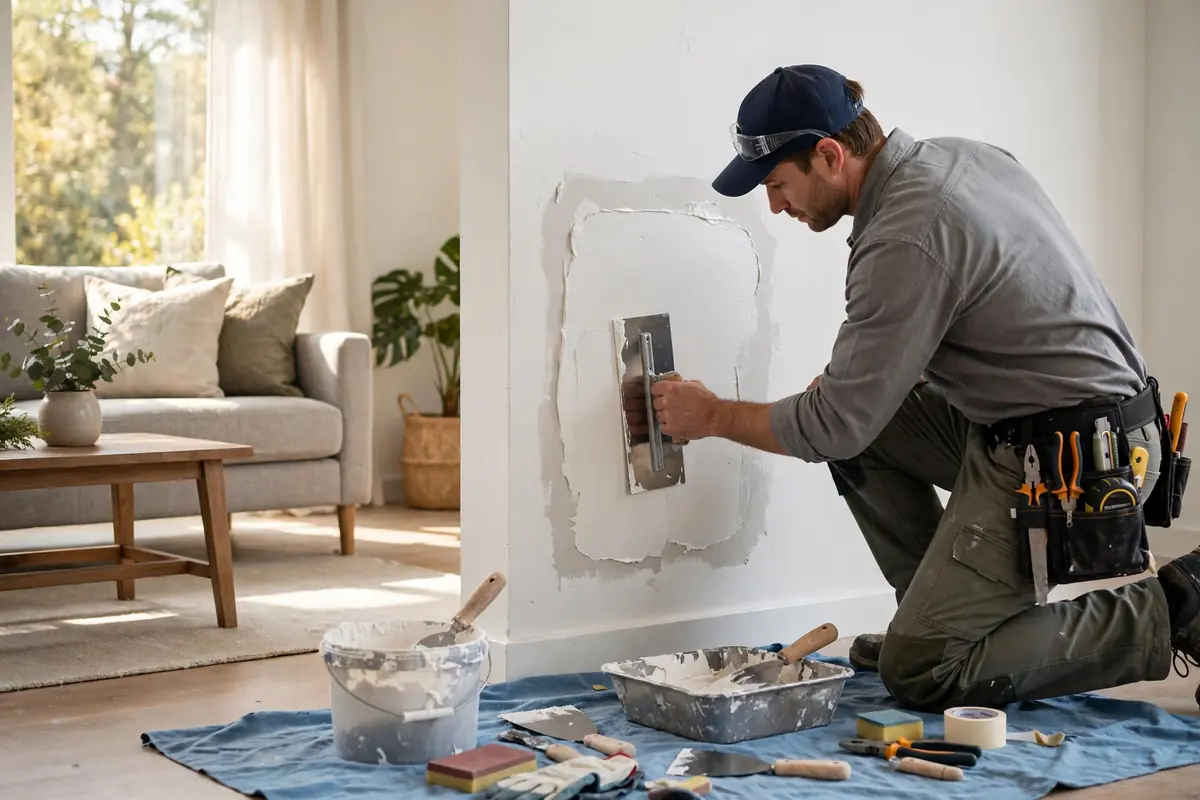
Encapsulation stops the moisture causing the damage, but already-sagged floors need structural repair — sistering joists or adding supports — which is a separate project. A contractor can also advise whether drywall repair or floor-leveling work is needed upstairs as part of the overall fix.
Conclusion: Pay for Condition, Not Just Square Footage
Crawl space encapsulation cost in 2026 averages about $5,500, but your real number depends mostly on what your contractor finds down there — mold, water, pests, and structural issues can add thousands before the first sheet of liner is cut. Get three detailed quotes, fix the underlying problems first, insist on 20-mil liner and a proper dehumidifier, and you will end up with drier air, lower energy bills, and a foundation story your home inspector will actually compliment.