
Finding mold in your home is one of those moments that stops you cold. One minute you are moving a bookshelf or pulling up a corner of carpet, and the next you are staring at black or green patches spreading across drywall, wood framing, or a damp corner of the basement. Your first questions arrive fast: is it dangerous, how bad is it really, and — the big one — what is mold remediation cost in 2026?
The short answer is that most US homeowners spend between $1,200 and $3,750 for professional mold remediation, with a national average near $2,368 according to 2026 Angi cost data. Small, contained jobs can come in under $1,000, while whole-house or HVAC-involved remediation can climb past $10,000. This guide walks you through real 2026 prices, what drives them up or down, how pros structure their quotes, and how to keep your project affordable without cutting corners on safety.
What Is Mold Remediation — and Why Mold Remediation Cost Varies So Much
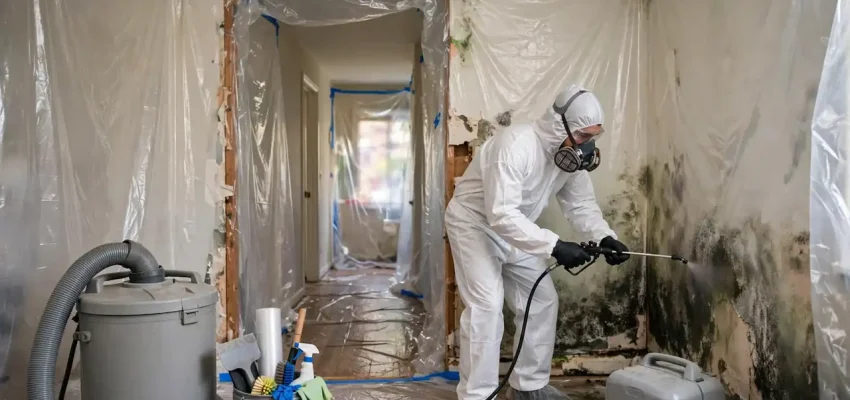
Mold remediation is not the same as mold cleaning. Wiping visible growth off tile with bleach is cleaning. Remediation is a structured process: containment, removal of contaminated materials, HEPA-filtered air scrubbing, moisture-source treatment, and drying so the mold cannot return.
That process is why mold remediation cost spans such a wide range. A 100-square-foot patch on accessible drywall is a half-day job; mold behind walls across three rooms or inside HVAC ductwork needs demolition, specialized equipment, and sometimes a week of work. Two quotes for what looks like “the same mold” can differ by thousands because the scopes are completely different.
Average Mold Remediation Cost in 2026
National cost data gives us a solid anchor for planning. According to Angi’s 2026 figures, typical professional remediation projects land between $1,223 and $3,757, averaging about $2,368. Other 2026 guides, including This Old House and LendingTree’s contractor-sourced data, place the common range at $1,200 to $3,750 with averages around $2,350. Very small contained jobs often cost $500 to $1,500, mid-size projects run $1,500 to $6,000, and extensive multi-room or whole-house work can reach $10,000 to $30,000.
Contractors almost always price remediation per square foot of the affected area. The standard 2026 rate is $10 to $25 per square foot, with some guides citing up to $30 per square foot for difficult access or heavy contamination. Keep in mind that contractors define “affected area” differently — some price only the visibly moldy surface, while others price the full containment zone — so always ask how a quote’s square footage was measured.
Mold Remediation Cost by Size of the Affected Area
The single biggest cost driver is how much material the mold has touched. Here is what US homeowners typically see in 2026:
- Small (10–100 sq ft): $500 to $2,500. A single wall section or bathroom corner with straightforward containment and no demolition.
- Medium (100–300 sq ft): $1,500 to $6,000. One or two rooms, partial demolition of drywall, longer drying and air-scrubbing time.
- Large (300–1,000 sq ft): $3,000 to $15,000. Several rooms, larger containment zones, possible replacement of insulation and framing sections.
- Very large / whole house (1,000+ sq ft): $10,000 to $30,000+. Staged work across multiple zones, extensive demolition, contents cleaning, and rebuild coordination.
These figures cover the remediation work itself. Testing, inspection, and any rebuild (replacing removed drywall, insulation, or flooring) are usually separate line items, which we break down below.
Mold Remediation Cost by Location in Your Home
Bathroom mold removal cost
Bathrooms are the number one mold location in US homes — daily steam, poor ventilation, and hidden plumbing leaks create ideal conditions. Surface mold on tile, grout, or caulk runs $500 to $1,000. But if mold has grown behind fixtures, tile, or cabinetry, demolition enters the picture and costs can climb toward $8,000. A leaking toilet supply line or shower pan failure can quietly feed a colony for months, so pairing plumber diagnosis with remediation often saves money in the long run.
Basement mold removal cost
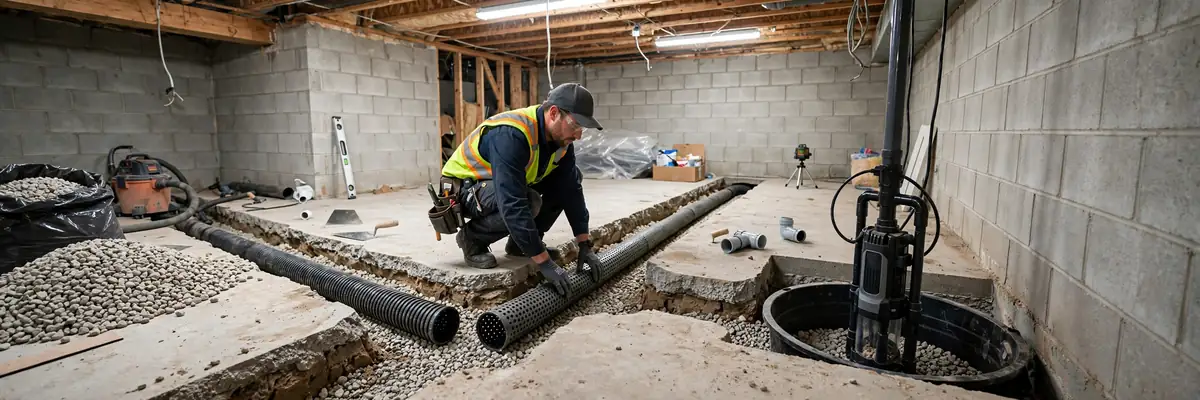
Basements sit underground with limited light and airflow, making them a prime mold habitat. Partial basement remediation typically costs $500 to $3,000, while full-basement projects with structural and insulation damage can reach $6,000 to $15,000. In many cases the root cause is groundwater or poor drainage, so homeowners frequently combine remediation with basement waterproofing to keep the mold from coming back.
Attic mold removal cost
Attic mold usually stems from roof leaks or poor ventilation. Partial remediation runs $1,000 to $7,000; full attic jobs with heavy insulation damage can reach $15,000. Because leaks are a common trigger, addressing roof repair issues first is essential.
Crawl space mold removal cost
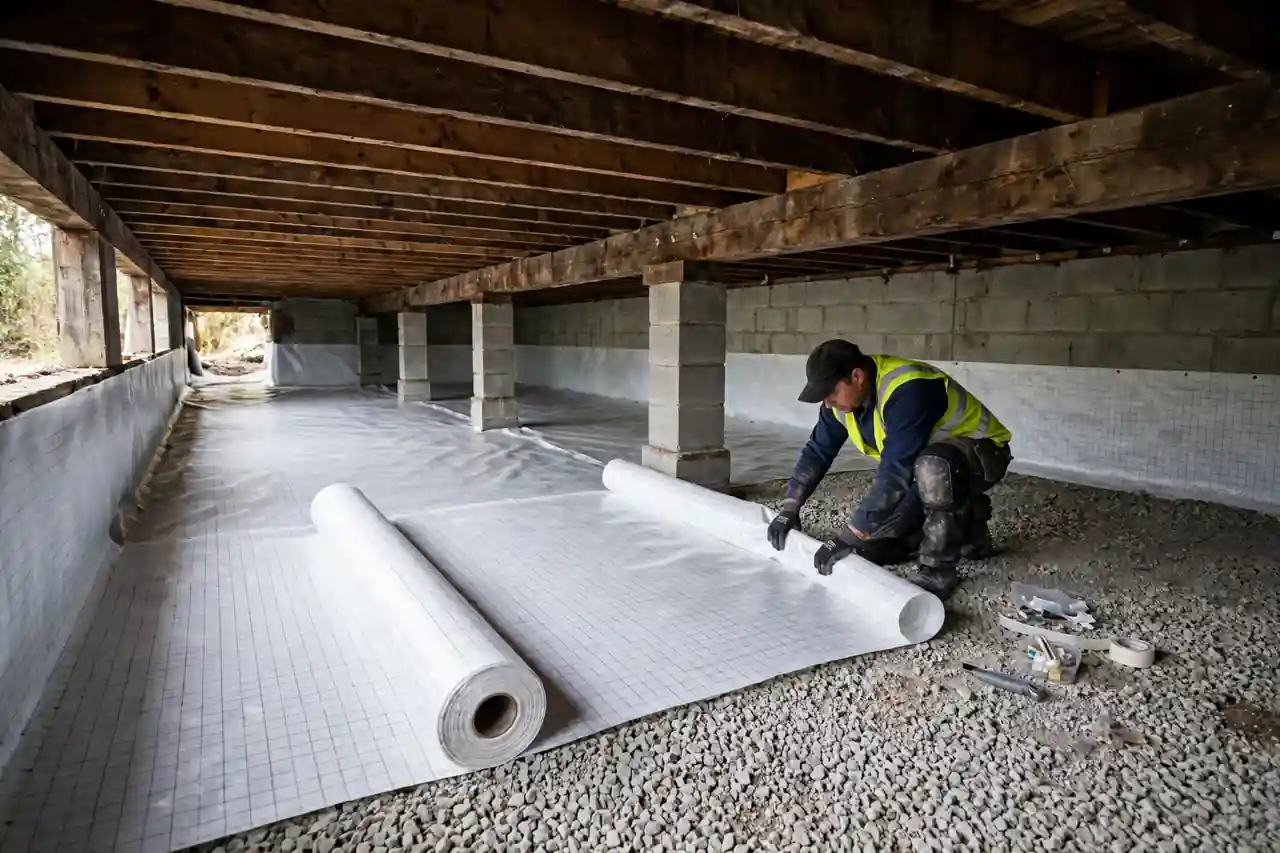
Crawl space remediation typically runs $500 to $2,000 for contained growth, more when barriers, insulation, or structural wood need attention. Poor access is the main price driver — awkward spaces cost far more to work in.
HVAC system mold removal cost
When mold colonizes air ducts or an air handler, it can spread spores through the entire house every time the system runs. Professional HVAC remediation costs $3,000 to $10,000 depending on system size, accessibility, and the extent of growth. Because contaminated ducts keep recirculating spores, this is one area where DIY is never appropriate — regular HVAC maintenance is also your best prevention tool.
Wall and drywall mold removal cost
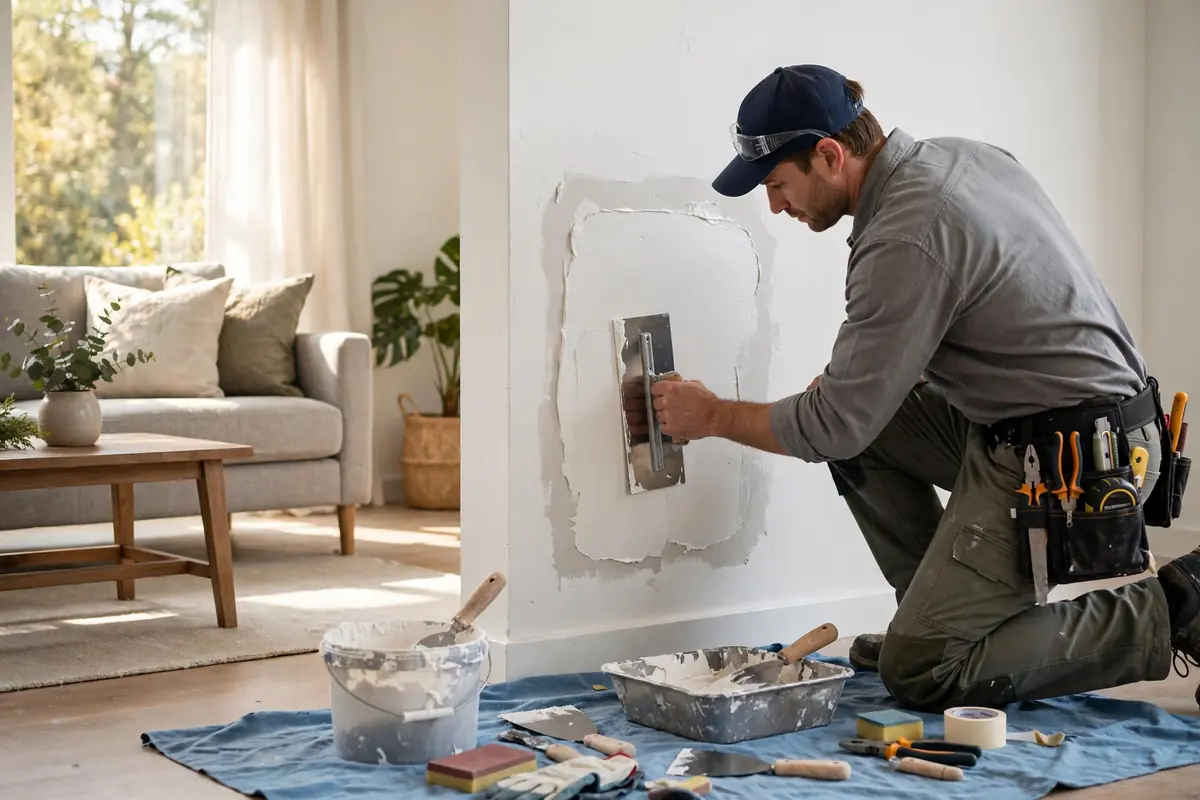
Mold behind walls is the classic “bigger than it looks” scenario — a small stain on the surface can hide a large colony inside the wall cavity. Wall and drywall remediation ranges from $1,000 to $20,000 depending on how much material must be cut out and replaced. After removal, plan on drywall repair costs to close up and finish the opened walls.
Mold Inspection and Testing Costs
Before remediation starts, most reputable contractors want to know exactly what they are dealing with. A professional mold inspection averages $689 nationally, commonly ranging from $303 to $1,075 depending on home size and whether invasive checking behind walls is needed. Basic mold testing runs $250 to $350, while comprehensive testing with lab analysis of air and surface samples runs $450 to $800.
For obvious surface mold in a small area, a visual inspection is usually enough. Testing earns its keep when mold is suspected but not visible, when species identification matters for health reasons, or as post-remediation clearance testing ($200–$400) to verify the job worked.
7 Factors That Drive Mold Remediation Cost Up or Down
1. Contamination level and material affected
Surface growth on tile or glass cleans up quickly. Porous materials — drywall, insulation, carpet, wood framing — usually have to be removed and replaced because mold roots penetrate below the surface. The more demolition required, the higher the cost.
2. The moisture source
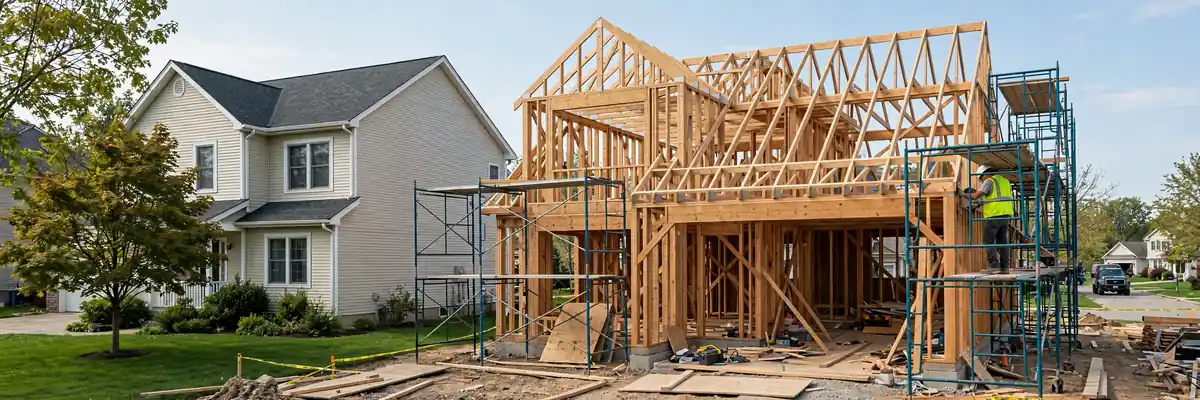
Remediation without fixing the leak is money wasted. Quotes rise when the moisture source itself needs repair — a roof leak, failed foundation repair situation letting water into a basement, or a burst pipe inside a wall. Smart contractors scope the source repair into the project plan.
3. Containment complexity
Professional remediation uses physical barriers and negative air pressure to keep spores from spreading through your home during the work. Multi-room or whole-house projects need larger containment zones, more equipment, and longer equipment rental — all of which add cost.
4. Labor rates in your area
Remediation labor typically runs $75 to $120 per hour, and most projects take one to seven days. Labor rates in high-cost coastal metros run noticeably higher than in the Midwest, so the same job can cost 20 to 40 percent more in San Francisco or Boston than in Kansas City.
5. Accessibility
Mold behind built-in cabinetry, inside wall cavities, under a raised foundation, or in a cramped crawl space takes longer to reach and remediate than mold on an open basement wall. Difficult access is one of the most common reasons a small-looking job quotes high.
6. Contents cleaning
Furniture, clothing, documents, and electronics in the affected area may need specialized cleaning or pack-out services. Contents restoration is sometimes included, sometimes a separate line item — always ask.
7. Rebuild and restoration
Remediation companies remove damaged materials; many do not put them back. Replacing drywall, insulation, trim, or flooring after remediation is a separate restoration project, often handled by a general contractor. Budget accordingly.
Mold Remediation vs. Mold Removal: Know What You Are Paying For
“Mold removal” sometimes means just wiping visible growth — but no reputable pro promises to eliminate every spore, since spores exist naturally in all indoor air. “Mold remediation” is the industry term for the full protocol: assess, contain, remove contaminated materials, clean, dry, and fix the moisture source. Legitimate contractors follow the IICRC S520 standard — ask candidates whether they do, and be wary of suspiciously cheap “complete mold removal” claims.
How to Hire a Mold Remediation Contractor in 2026
Start with at least three written quotes, each itemizing the scope: containment method, materials to be removed, equipment and drying plan, the moisture-source fix, and whether clearance testing is included.
Verify licensing (several states require mold remediation licenses) and insurance, ask for references from similar-size jobs, and check reviews for thoroughness. Red flags include sight-unseen quotes, pressure to start immediately, full payment demanded upfront, and any suggestion to just spray and paint over it.
For related hiring guidance, many homeowners find that reading up on professional house cleaning costs and pest control pricing helps them compare service quotes with a practiced eye.
DIY vs. Professional Mold Remediation
For a small patch of surface mold — under 10 square feet on tile, glass, or another non-porous surface — careful DIY is reasonable: fix the moisture source, wear an N95 respirator and gloves, ventilate, and scrub with an appropriate cleaner.
Call a professional for larger areas, mold inside walls, HVAC systems, or crawl spaces, any respiratory conditions in the home, or sewage/flood-related moisture. DIY on a large job usually spreads spores through the house — and bleach does not kill mold roots in porous materials, it only bleaches the color while the colony survives underneath.
How to Prevent Mold After Remediation
Keep indoor humidity between 30 and 50 percent, fix leaks within 24 to 48 hours (the EPA notes that drying wet materials within that window usually prevents mold entirely), and ventilate bathrooms and kitchens to the outdoors. Keep gutters clean, grade soil away from the foundation, and track roof replacement timelines so leaks never start.
Does Homeowners Insurance Cover Mold Remediation?
Sometimes, with strict limits. Most policies cover remediation when mold results from a sudden “covered peril” like a burst pipe, but exclude gradual leaks, poor maintenance, and flooding. Caps of $1,000 to $10,000 are common. Document everything with photos and call your insurer before signing a contract.
Frequently Asked Questions About Mold Remediation Cost
How much does mold remediation cost per square foot?
In 2026, professional remediation typically costs $10 to $25 per square foot of the affected area, with some guides citing up to $30 per square foot for difficult access or heavy contamination.
Is mold remediation worth the cost?
Yes, when the alternative is a growing colony that damages your home’s structure and affects indoor air quality. Remediation also protects resale value — visible mold or a known mold history can derail a home sale or trigger inspection demands.
Can I stay in my home during remediation?
For contained, single-area jobs, usually yes — the containment barriers and negative air pressure keep the rest of the home safe. For whole-house remediation, many families stay elsewhere during the most intensive days.
Conclusion: Budget Smart, Hire Carefully
Mold remediation cost in 2026 averages about $2,368 for a typical project, but your number depends on area size, location, cause, and local labor rates. Get three itemized quotes, fix the moisture source as part of the project, and budget separately for testing and rebuild work.