
Water in your basement is a problem that never fixes itself: a small damp patch this spring can become standing water, ruined drywall, and mold by fall. That is why so many homeowners research basement waterproofing cost in 2026 before the rainy season hits. According to Angi’s 2026 data, the national average basement waterproofing cost is $5,245, with most homeowners spending somewhere between $2,460 and $8,205. That is a wide range, however, and where your project lands depends on the method you choose: interior systems generally run $3,000 to $10,000, while exterior excavation work typically costs $7,000 to $18,000. Understanding the difference between interior and exterior approaches is the single most important step to budgeting correctly. In this guide, you will learn what each system involves, what drives the price up or down, and how to decide which option actually fits your home.
Basement Waterproofing Cost in 2026: The National Picture
Basement waterproofing is not one product but a category of systems: a simple crack injection is a few hundred dollars, while full exterior excavation can climb past $18,000. The middle ground — interior drainage with a sump pump — covers most projects and explains that $5,245 national average.
Several factors push your basement waterproofing cost higher or lower. The size of your basement matters enormously, because interior systems are often priced at $3 to $10 per square foot and exterior drains at $100 to $200 per linear foot. Labor is the other big lever: basement waterproofing contractors charge around $200 per hour, and regional labor differences alone can swing total prices by 20–40%. The same job in the Northeast or coastal California typically costs far more than in the Midwest or South.
Finally, the cause of your water problem shapes the solution. Minor seepage through a hairline crack is a quick fix; hydrostatic pressure pushing water up through the floor slab is a system-level job. Therefore, always get a professional assessment of the water source before comparing quotes — paying for the wrong system is the most expensive mistake you can make.
Interior vs Exterior Waterproofing: What’s the Difference?
Interior systems manage water after it enters your foundation walls, collecting and pumping it out. Exterior systems stop water before it reaches the walls. Both work well when designed correctly, but they differ dramatically in price, disruption, and what problems they solve.
How interior waterproofing works
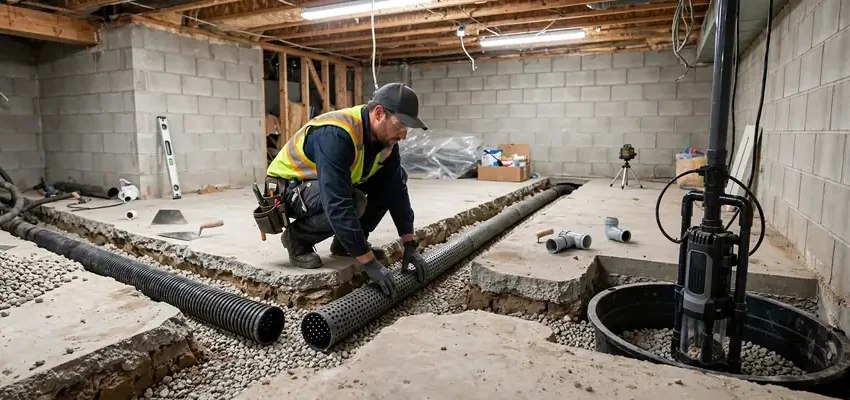
Interior waterproofing controls where water goes once it gets in. A contractor installs a perimeter drainage channel — an interior French drain — along the inside edge of the basement floor at $40 to $85 per linear foot. It catches water seeping through wall-floor joints and directs it to a sump pump, which discharges it safely away from the house.
Installation takes a few days with no digging in your yard, and every component stays accessible for future service — a major advantage years later.
How exterior waterproofing works
Exterior waterproofing attacks the problem from the outside: contractors excavate down to the footings, apply a waterproof membrane to the exterior walls, install drain tile, and backfill. At $100 to $200 per linear foot for exterior drains — plus excavation, landscaping restoration, and possible deck or patio removal — totals land in the $7,000 to $18,000 range.
The upside is comprehensive protection. Exterior systems relieve hydrostatic pressure against the walls, protect the concrete from freeze-thaw cycles and soil chemicals, and keep the basement genuinely dry rather than merely managed. For homes with severe water intrusion, structural wall damage, or poor exterior grading, exterior work is often the only correct fix. However, it is disruptive: expect heavy equipment in your yard, destroyed landscaping, and one to three weeks of work.
Interior Basement Waterproofing Cost Breakdown
Interior systems dominate the residential market because they solve most water problems at a manageable price. Here is what the main interior components cost in 2026.
Interior French drains and perimeter channels
The workhorse of interior waterproofing is the perimeter drain channel, priced at $40 to $85 per linear foot. For a typical 1,000-square-foot basement with roughly 130 linear feet of perimeter, that translates to about $5,200 to $11,000 installed — squarely in the interior system range of $3,000 to $10,000. The channel sits in a trench cut into the slab edge, is covered with gravel and concrete, and feeds into the sump basin.
Some homeowners pair the drain with drain cleaning of existing lines first, since clogged drains can mimic foundation seepage. Clearing the obvious blockages before waterproofing can save you from paying for a system you never needed.
Sump pump installation and replacement
A sump pump is the heart of any interior system. A brand-new installation — pump, basin, and discharge line — runs $800 to $2,500 in 2026; replacing just the pump costs $309 to $755. Battery backups, which keep the pump running during power outages, add a few hundred dollars and are strongly recommended.
Think of the sump pump the way you think of water heater replacement: it is a mechanical appliance with a finite lifespan, so budget for maintenance and eventual replacement rather than treating it as a one-time fix.
Crack injection and wall sealants
For isolated wall cracks, epoxy or polyurethane injection costs $250 to $800 per crack. This is the cheapest professional waterproofing service available and works well for non-structural hairline cracks. Interior wall sealants and waterproof paints cost less but only manage minor dampness — they cannot hold back real hydrostatic pressure, so contractors treat them as a supplement, not a solution.
Cracks that keep returning or widening can signal foundation movement, and foundation repair may be needed before waterproofing will hold — sealing a crack in a shifting wall never lasts.
Exterior Basement Waterproofing Cost Breakdown
Exterior work costs more because it is essentially a construction project: excavation, waterproofing, drainage, and restoration. Here is where the money goes.
Excavation and membrane application
Digging down to the footings around an entire house is labor-intensive and requires heavy equipment, which is why exterior projects start around $7,000 and climb from there. Once exposed, contractors clean the walls and apply a waterproof membrane, sometimes layered with drainage board that channels water down to the footing drain. The membrane itself is relatively affordable; the excavation and labor drive the price.
Obstacles multiply costs quickly: decks, patios, driveways, and mature trees against the foundation may need removal or workarounds. Get an itemized quote separating excavation, waterproofing, drainage, and restoration — and consider whether plumber costs for rerouting exterior water lines belong in the same project while the ground is open.
Exterior drain tile and grading
Exterior drain tile (a perforated pipe at footing level) runs $100 to $200 per linear foot installed, making it one of the priciest line items. Proper backfill with gravel and, critically, correct final grading away from the house complete the system. In many cases, poor grading is the actual culprit: water pooling against the foundation because the yard slopes toward the house. Regrading alone can cost $1,000 to $5,000 and sometimes solves the problem without any excavation at all — always rule this out first.
Homes with chronic exterior drainage trouble sometimes have related underground issues. If your waterproofing contractor finds damaged exterior lines during excavation, a sewer line replacement might enter the conversation — handling it while the trench is open can save thousands compared to digging twice.
Interior vs Exterior: Which One Do You Actually Need?
This is the decision that determines your basement waterproofing cost more than anything else.
Choose interior waterproofing when…
Choose interior when water enters through the wall-floor joint (classic “cove” seepage), when you see damp spots or minor puddling after heavy rain, when your budget is under $10,000, or when exterior excavation is impossible — for example, a zero-lot-line home or a foundation buried under a concrete driveway.
Interior systems last 15 to 30 years with maintenance, which is an excellent lifespan for the price. Keep the sump pump tested, the discharge line clear, and the backup battery fresh, and an interior system will protect your basement for decades.
Choose exterior waterproofing when…
Exterior waterproofing is the right call when water is destroying the wall itself: bowing or buckling walls, severe cracking, efflorescence covering large areas, or water entering through multiple wall locations. It is also the answer when hydrostatic pressure is extreme, when you are already excavating for an addition or major landscaping, or when a home inspector flags exterior foundation deterioration during a purchase.
Exterior systems last 20 to 50 years — potentially the life of the house — because the membrane protects the concrete rather than managing water after entry. Homeowners finishing a basement often choose exterior work so no moisture ever reaches the new drywall. Also keep indoor humidity down with consistent HVAC maintenance, which protects finished walls from condensation.
How Long Does Basement Waterproofing Last?
Lifespan is a major part of the value equation. Interior systems last 15 to 30 years with regular maintenance — the sump pump is the wear item, usually needing replacement every 7 to 10 years at $309 to $755. Exterior membranes and drain tile last 20 to 50 years, though the exterior drain can clog with fine soil over decades — expensive to reach once buried. Pair either system with a dehumidifier in damp climates, since neither manages interior humidity.
Maintenance is straightforward: test the sump pump quarterly, clean gutters and downspouts, verify grading slopes away from the house, and keep the discharge line from freezing. Neglect shortens system life — a $500 pump failure can undo an $8,000 system in a single storm.
Ways to Save on Basement Waterproofing Cost
Waterproofing is expensive, but smart planning can trim the bill without cutting corners on quality.
- Fix grading and gutters first. Extending downspouts and regrading soil away from the foundation can resolve mild seepage for a fraction of the cost — always rule out the cheap fixes before buying the expensive system.
- Get at least three quotes. With contractor rates around $200 per hour and regional swings of 20–40%, prices vary enormously. Itemized quotes let you compare apples to apples.
- Bundle related work. If the crew is already trenching, address nearby issues in the same project. For instance, schedule finding a reliable electrician for the sump pump’s dedicated circuit and battery backup wiring while the basement is already a work zone — one round of disruption instead of two.
- Time it for the dry season. Contractors are busiest (and priciest) after major storms. Booking in late summer or fall, before the wet season, can mean faster scheduling and sometimes better pricing.
- Protect the finished space. A dry basement often becomes a finished basement — and a finished basement needs upkeep. Budget for professional cleaning after construction dust settles, since waterproofing work generates a remarkable amount of concrete dust.
- Do not ignore the small stuff. Damp basements attract pests and mold. While waterproofing handles the water, a pest control inspection ensures the moisture has not already invited unwanted guests into wall voids.
- Check the roofline too. Water problems are rarely isolated — overflowing gutters from a failing roof can dump hundreds of gallons against your foundation. If your roof is aging, compare roof repair pricing alongside waterproofing quotes, since fixing the roof may reduce the water load your new system must handle.
Conclusion
The average basement waterproofing cost of $5,245 in 2026 is a starting point, but your price hinges on one decision: interior or exterior. Interior systems at $3,000 to $10,000 solve most seepage problems with minimal disruption and a 15-to-30-year lifespan. Exterior waterproofing at $7,000 to $18,000 costs far more but delivers the most complete protection — 20 to 50 years — for homes with serious wall damage or extreme hydrostatic pressure. Start by identifying your water source, fix grading and gutters first, then collect itemized quotes from licensed contractors.
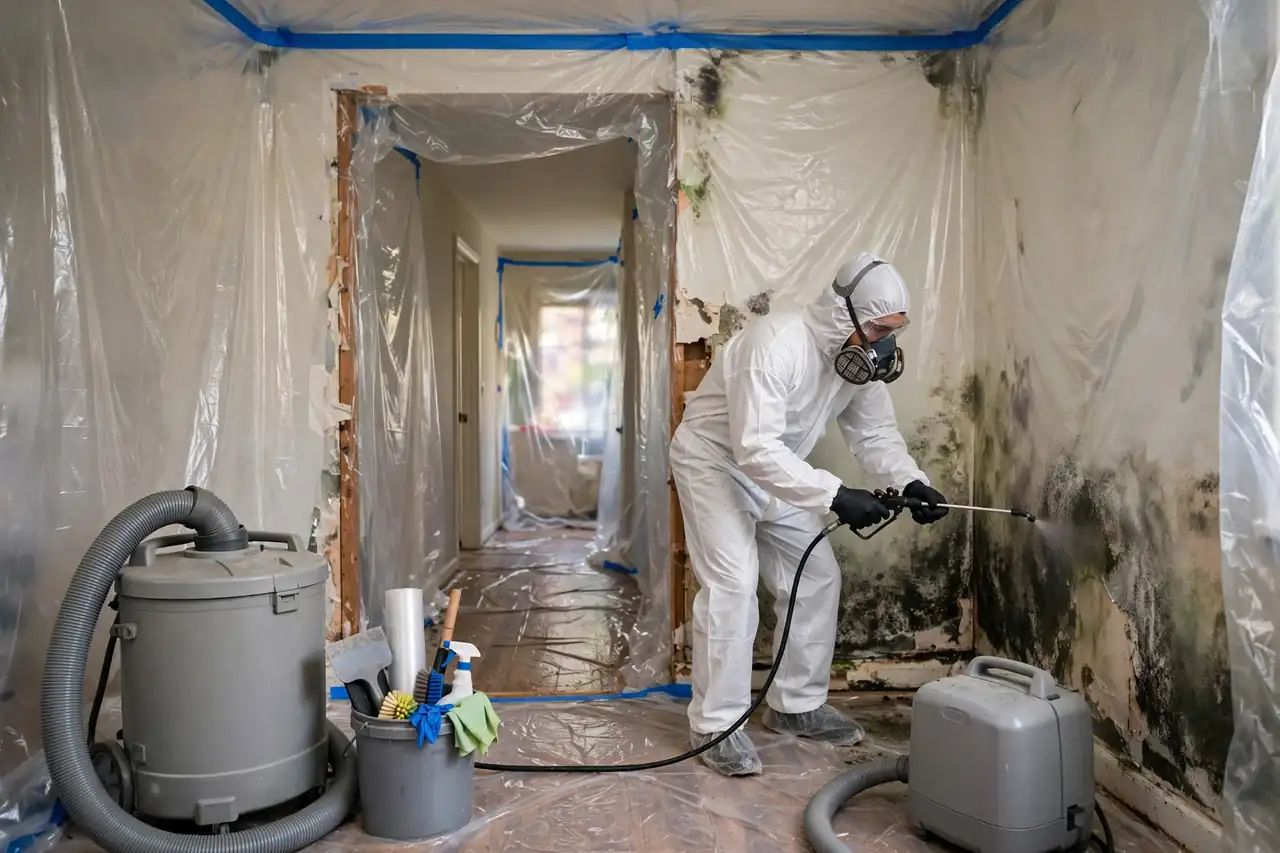
If that basement moisture has already led to mold growth, see our 2026 mold remediation cost guide for what professional cleanup runs.
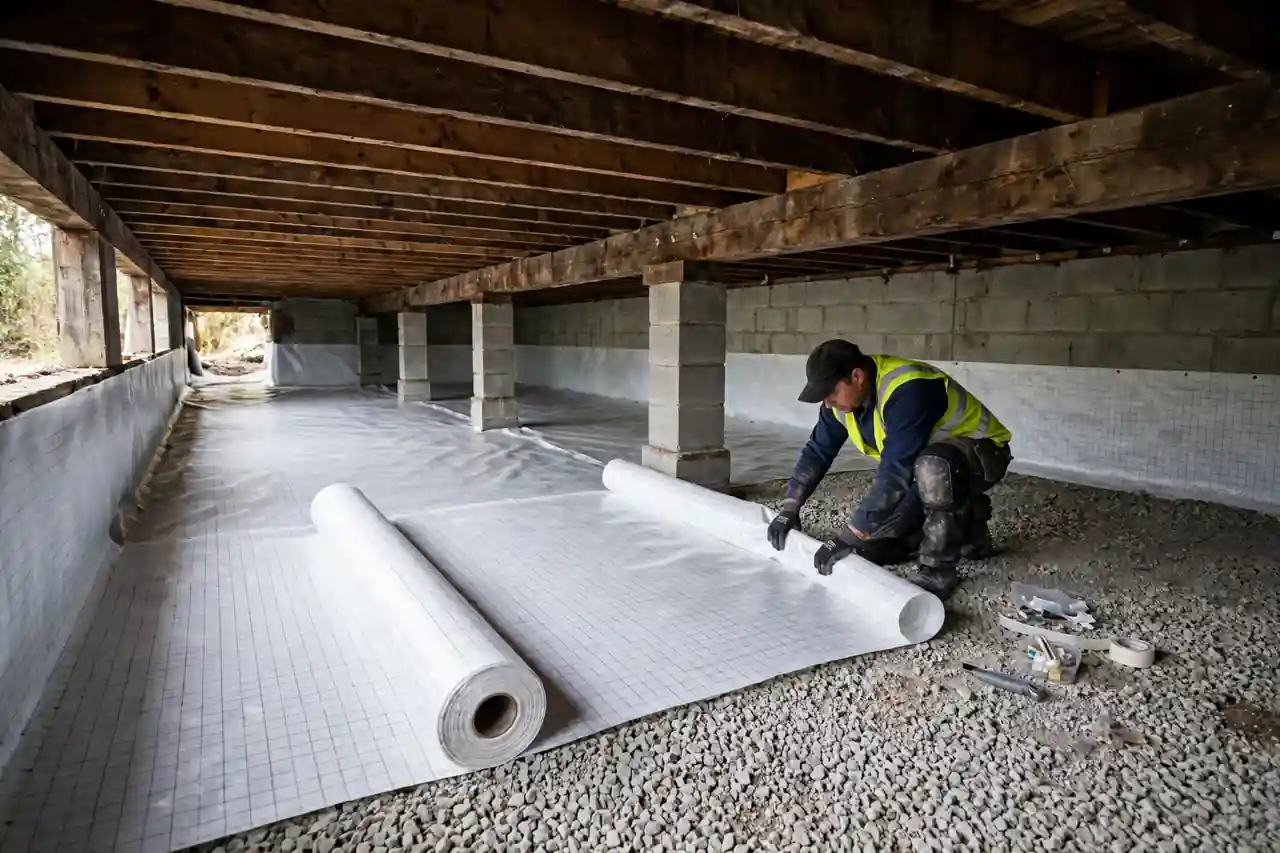
Dealing with moisture under the house as well? See what crawl space encapsulation costs in 2026.