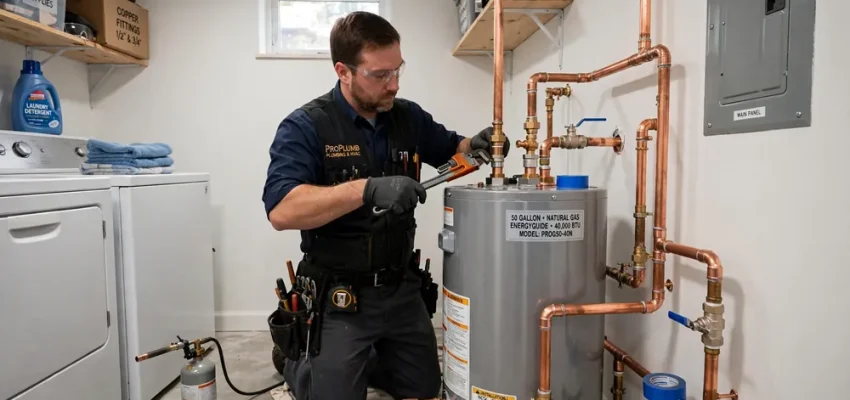

If your morning shower suddenly turns cold or you notice a puddle forming under your water heater, you are probably facing one of the most common home repairs in America. The water heater replacement cost in USA homes typically ranges from $1,200 to $3,500 in 2026, depending on the type of unit, your household size, and where you live. Understanding what drives these costs can save you hundreds of dollars.
Most traditional tank water heaters last 8 to 12 years, which means nearly every homeowner will face a replacement eventually. Whether your unit has failed or you are planning ahead, knowing the water heater replacement cost in USA markets helps you budget wisely and pick the right system.
Average Water Heater Replacement Cost in USA 2026
For a standard 40- to 50-gallon gas or electric tank water heater — the most common type in American homes — total replacement including unit and professional installation runs $1,200 to $2,200. This covers removing the old unit, installing the new one, and bringing all connections up to code.
Electric models cost less upfront than gas, though the gap has narrowed. A 50-gallon electric tank runs $500 to $900 for the equipment, while gas runs $600 to $1,100. Labor adds $500 to $1,200 depending on location. Homes in high-cost metros like San Francisco or New York City pay toward the top of these ranges; the Midwest and South tend to cost less.
These figures assume a straightforward swap — same fuel type, same location, no major plumbing changes. Upgrades to venting, gas lines, or electrical circuits push costs higher, as detailed below.
Cost by Water Heater Type
Traditional Tank Water Heaters
The conventional storage-tank heater remains the most popular choice: affordable, reliable, and familiar to every plumber. Expect $1,200 to $2,200 installed for a standard 40- or 50-gallon gas or electric model. Larger 75-gallon tanks for big families run $1,800 to $2,800 installed. Most like-for-like swaps take just two to four hours. For a newer alternative, see our guide on tankless water heater pros and cons for US homes.
Tankless (On-Demand) Water Heaters
Tankless systems heat water only when needed, cutting energy bills by 24 to 34 percent per the Department of Energy. The tradeoff is higher upfront cost: $2,500 to $5,500 installed in the USA. The unit costs $1,000 to $2,500; labor adds $1,500 to $3,000 because tankless units often need upgraded gas lines, new venting, and electrical work.
Tankless units last 20 years or more — nearly double a tank model’s lifespan — so long-term math can favor them. Regular water heater maintenance extends the life of either type.
Heat Pump (Hybrid) Water Heaters
Heat pump heaters use about 60 percent less electricity than standard electric tanks. In 2026, equipment costs $1,500 to $2,500, with installed totals of $2,200 to $4,000. Federal tax credits can offset up to 30 percent, bringing the effective price close to a standard electric tank. They need space (1,000+ cubic feet) and work best in basements or garages. With hard water, pair any new heater with a water softener installation to prevent scale buildup.
Factors That Affect Your Total Cost
Fuel Type and Conversion Costs
Switching from electric to gas (or vice versa) adds $500 to $1,500 for new gas lines or electrical upgrades. Gas heaters also need outdoor venting. Most homeowners save by sticking with their existing fuel type. If your home already has a gas line installation for home use, conversion is simpler.
Permits and Code Upgrades
Most US jurisdictions require a permit ($50 to $200) and inspection. Older installations may need code upgrades: an expansion tank ($100–$200), new drain pan, updated venting, or earthquake straps (required in California). A reputable contractor pulls the permit and includes these upfront. Never skip the permit — unpermitted work can void insurance and complicate a future sale. Learn how to find a reliable plumber near you in USA before hiring.
Location and Accessibility
A unit in an open garage swaps quickly; one in a tight attic or crawl space adds $200 to $500 in labor. Regional rates vary widely: $100–$200/hour in the Northeast and West Coast versus $75–$125/hour in the South and Midwest. Three written quotes are the best way to confirm a fair price.
Choosing the Right Size for Your Household
Buying too small means cold showers; buying too big wastes money on equipment and energy. For tank heaters, size is measured in gallons. A family of one to two people usually does fine with a 30- to 40-gallon tank. Three to four people need 40 to 50 gallons. Five or more people — or homes with large soaking tubs — should look at 50 to 80 gallons.
Also consider the first-hour rating (FHR), which tells you how much hot water the heater can deliver in a busy hour. Match the FHR to your peak usage: count simultaneous showers, dishwasher cycles, and laundry loads. A family where two people shower while the dishwasher runs needs a higher FHR than a single person who showers once daily. Your contractor can help with this calculation, but knowing the basics prevents overselling.
For tankless units, sizing works differently — it is about flow rate (gallons per minute) and temperature rise. In cold northern states like Minnesota, incoming groundwater can be 40°F, requiring a bigger unit to reach 120°F than in Florida where groundwater sits near 70°F. This is one reason tankless installations cost more in northern climates. Discuss your climate zone with the installer before committing.
Signs You Need a Replacement
Age over 10 years: Check the serial number — the first two digits often show the manufacture year. Units past 12 years are on borrowed time. Learn how to detect a water leak in your home to catch slow failures early.
As homeowners navigate the complexities of water heater replacement, it’s essential to consider not only the immediate costs but also the long-term benefits and efficiencies offered by alternative systems. While traditional tank water heaters remain popular, many are turning to more innovative solutions that promise energy savings and convenience. For instance, tankless water heaters have gained traction for their ability to provide endless hot water on demand. However, they come with their own set of considerations, including higher initial costs and specific sizing requirements. For a comprehensive understanding of the advantages and potential drawbacks associated with these systems, exploring the tankless water heater pros cons can help homeowners make informed decisions that align with their budget and lifestyle needs.
Rusty hot water: Rust-colored hot water (with clear cold water) means the tank interior is corroding. A leak may follow within weeks.
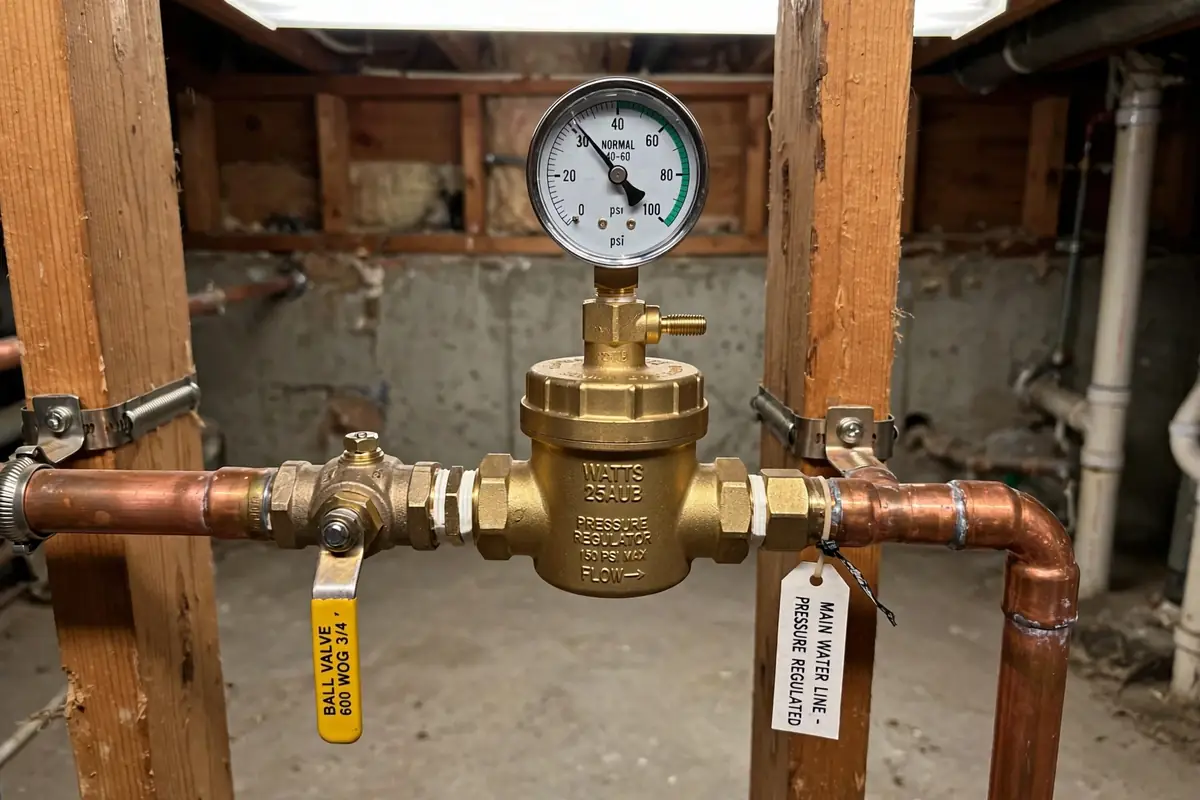
As you navigate the complexities of home maintenance and the inevitable water heater replacement, it’s crucial to remember that the functionality of your plumbing system as a whole can greatly influence your overall costs and home experience. A well-functioning water pressure regulator, for instance, plays a significant role in maintaining consistent water flow and preventing potential damage to your plumbing fixtures. When considering the expenses associated with water heater replacement, one should also assess the need for water pressure regulator installation, as this can mitigate the risk of further plumbing issues and enhance the longevity of your new system. Investing in these preventative measures will not only safeguard your home against unexpected repairs but also contribute to more efficient water usage, ultimately translating into cost savings over time.
As the necessity for water heater replacement looms over many homeowners, understanding the broader implications of home maintenance and protection becomes equally crucial. One significant aspect to consider is the role of a home warranty, which can provide financial peace of mind when unexpected repairs arise, such as a malfunctioning water heater. With average annual premiums hovering between $300 and $600 for comprehensive coverage, knowing the home warranty cost can help homeowners budget effectively for both routine and emergency maintenance. By integrating these costs into your financial planning, you can safeguard against unforeseen expenses and make informed decisions that enhance the overall longevity and efficiency of your home systems.
Rumbling noises: Sediment buildup causes popping as water boils beneath mineral layers. Annual flushing helps, but heavy sediment in an old unit signals replacement time.
Water pooling at the base: Moisture around the tank bottom needs immediate attention. Water seeping from the tank body itself means failure — shut off the supply and call a pro. For flood aftermath, see water damage restoration cost in USA.
Rising bills or lukewarm showers: Worn-out elements or burners force the unit to work harder. Creeping utility bills often point to declining efficiency.
How to Save Money on Replacement
Get multiple quotes. Identical jobs can vary by $500+ between contractors. Get three written estimates itemizing equipment, labor, permits, and disposal.
Avoid emergency timing. Nights, weekends, and holidays carry premium rates. If your unit is aging but working, schedule during business hours.
Ask about rebates and tax credits. Many utilities offer $200–$500 rebates for high-efficiency models. Heat pump heaters qualify for a federal credit up to 30 percent. Check the DSIRE database for your state’s programs.
Consider total cost of ownership. A $300 premium for efficiency can pay back in two to three years through energy savings. Factor lifespan too — a tankless unit lasting twice as long may be the better deal despite higher upfront cost.
Bundle plumbing work. If you also need a toilet installation or kitchen sink installation, one visit saves trip charges. Older homes with galvanized pipes might address repiping a house while walls are open.
What to Expect on Installation Day
A standard tank swap takes two to four hours: shut off water and power/gas, drain and remove the old tank, position the new unit, connect lines, fill, and test. Plan showers around the hot-water outage. Tankless installs take a full day; heat pump models take four to six hours.
Set the thermostat to 120°F for safety and efficiency. Keep your paperwork — equipment warranty (6–12 years), labor warranty (1–2 years), and permit sign-off. Annual flushing and anode rod checks, covered in our water heater maintenance guide, protect your investment. If problems arise suddenly, know when to call an emergency plumber in USA.
Frequently Asked Questions
Can I install a water heater myself?
Not recommended. Gas, venting, pressure relief, and electrical work carry real safety risks, and most jurisdictions require a licensed pro plus a permit. DIY also voids manufacturer warranties.
Should I repair or replace?
Under 8 years old with a failed thermostat or element ($150–$400 repair)? Repair. Tank leaking, over 10 years old, or repair costing half of replacement? Replace.
Does homeowners insurance cover replacement?
Policies typically cover sudden water damage (ruined flooring) but not the heater itself or damage from neglected gradual leaks.
What is the cheapest water heater to install?
A basic 40-gallon electric tank heater is the cheapest upfront, often $1,000 to $1,500 installed. However, operating costs are higher than gas or heat pump models, so lifetime cost may exceed pricier alternatives. In areas with cheap electricity and mild climates, though, it can still be the sensible pick.
How often should I flush my water heater?
Once a year for most households; twice a year if you have hard water. Flushing removes sediment that reduces efficiency and shortens lifespan. It takes about 30 minutes with a garden hose, or your plumber can do it during an annual service visit. Skipping this simple task is the number one reason heaters fail early.
Understanding the water heater replacement cost in USA markets puts you in control. Get multiple quotes, choose the right type for your household, and maintain your new unit — and you will enjoy reliable hot water for years without budget surprises.
Want lower water heating bills? See what heat pump water heater cost in 2026 — installed prices, available rebates, and payback compared to tank and tankless models.
Considering going tankless? See our 2026 tankless water heater cost guide for installation pricing and payback.