
Ants in the kitchen, mice in the walls, or termites silently eating your home’s framing, pest problems range from annoying to genuinely destructive. The question every homeowner asks is: how much does pest control cost in 2026? With online home services marketplaces making it simple to find licensed exterminators, this guide covers average US pest control prices, what treatments include, and how to choose a reliable provider for lasting protection.
Average Pest Control Cost in 2026
Most US homeowners pay between $150 and $400 for a one-time pest control treatment, with the national average around $250. Ongoing prevention plans are the most popular option: quarterly service typically costs $100 to $300 per visit, or $400 to $1,200 per year. Monthly plans for severe or commercial-grade problems run $40 to $70 per month. One-time treatments for specific infestations vary widely by pest type.
Pest Control Prices by Pest Type
Ants: $150 to $300
Standard ant treatments, including baiting and perimeter sprays, usually cost $150 to $300. Carpenter ants, which damage wood structures, can cost $250 to $500 to eliminate fully.
Cockroaches: $150 to $350
German cockroach infestations often require multiple visits. Expect $150 to $350 for a full treatment program with follow-ups.
Termites: $500 to $3,000+
Termites cause over $5 billion in US property damage yearly. Termite inspections cost $50 to $150 (often free with treatment). Full treatments range from $500 for spot treatments to $3,000+ for whole-home fumigation or baiting systems. Annual termite bonds (warranties) run $200 to $400 per year.
Bed Bugs: $300 to $1,500
Bed bug treatments are among the priciest: $300 to $900 per room for chemical treatment, or $1,000 to $1,500 per room for whole-home heat treatment, which is the most effective single-visit option.
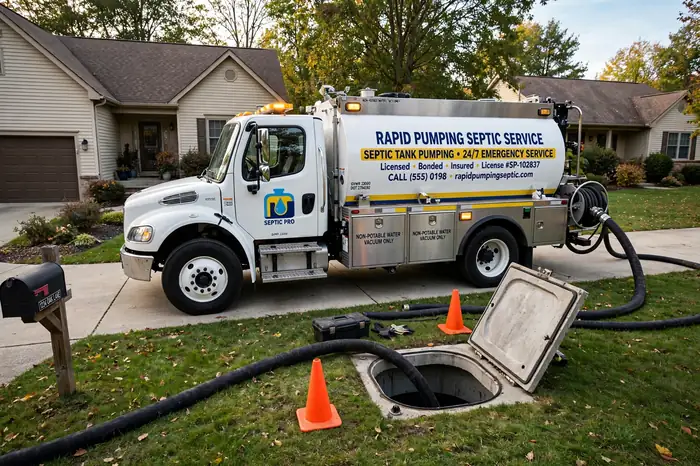
Understanding the financial implications of maintaining your home extends beyond pest control; it also encompasses vital infrastructure such as your sewer system. Just as with pest management, ignoring early signs of trouble with your sewer lines can lead to escalating repair costs and significant damage. Homeowners should be proactive in recognizing potential issues, as the expenses associated with sewer line issues can range dramatically. In fact, learning about the sewer line replacement cost can equip you with the knowledge needed to make informed decisions about necessary repairs or upgrades, ensuring your property remains safe and functional while avoiding costly surprises down the line. Proper maintenance and timely interventions in both pest control and sewer management are crucial investments in your home’s longevity and safety.
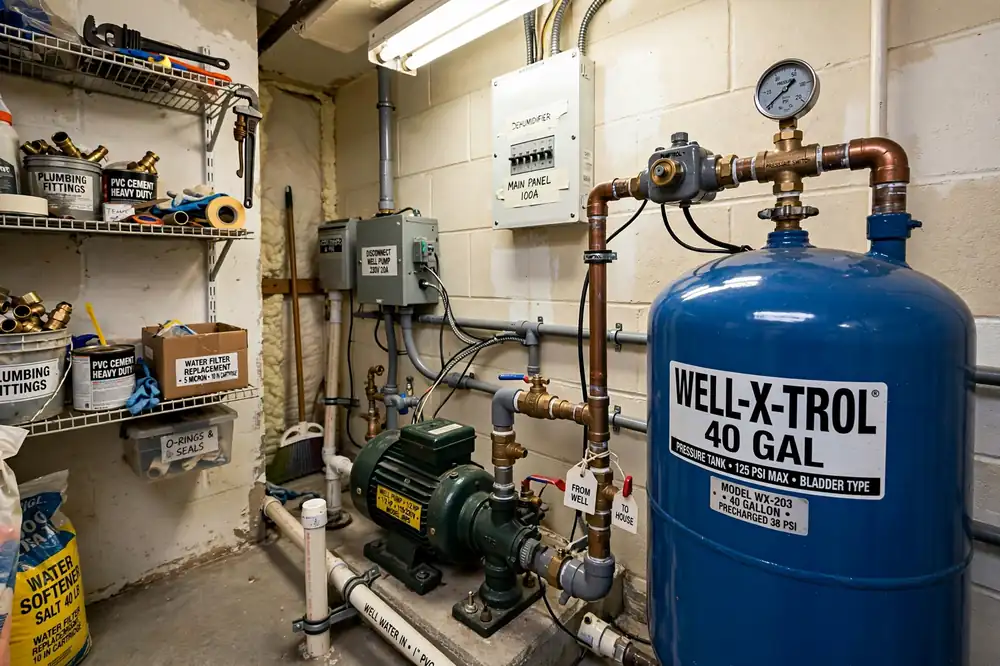
As homeowners navigate the complexities of maintaining a secure and comfortable living environment, understanding the financial implications of various home improvements becomes paramount. Just as pest control services safeguard against infestations that can threaten structural integrity, investing in systems that enhance water quality is equally crucial. The costs associated with such installations can vary significantly based on the type of system and specific needs of the household. For instance, the water softener installation cost can range from $800 to $3,000, reflecting the diversity in system types and installation complexities. By prioritizing both pest control and water treatment, homeowners can ensure their properties remain not only pest-free but also conducive to overall health and well-being.
As homeowners navigate the complexities of maintaining a pest-free environment, it’s essential to recognize the broader implications of home maintenance costs in 2026. Just as effective pest control is critical for safeguarding your property against damage, investing in efficient systems can significantly enhance your home’s value and comfort. For instance, integrating modern appliances such as tankless water heaters can optimize energy consumption and reduce utility bills, making them a smart financial choice. Understanding the tankless water heater cost is vital for homeowners looking to balance upfront investments with long-term savings, ultimately leading to a more sustainable and efficient home. This holistic approach to home maintenance not only protects your investment but also enhances your overall living experience.
As homeowners navigate the complexities of maintaining a safe and efficient living environment, understanding the financial implications of essential home services becomes paramount. While addressing pest control needs is critical to safeguarding your property from potential damage and health risks, it is equally important to consider other significant investments that enhance home efficiency. For instance, upgrading to a heat pump water heater can drastically reduce energy consumption and lower utility bills, making it a prudent choice for long-term savings. For those interested in this option, exploring the heat pump water heater cost can provide valuable insights into installation expenses, available rebates, and overall payback periods, allowing homeowners to make informed decisions that balance immediate costs with future benefits.
As homeowners navigate the complexities of maintaining their properties, the interplay between pest control and aesthetic upkeep becomes increasingly significant. While investing in pest management is essential for safeguarding structural integrity, the visual appeal of a home also requires attention. Fresh paint not only enhances curb appeal but also serves as an additional layer of protection against pests. Homeowners in Los Angeles can expect to budget between $4,500 and $11,000 for exterior painting, reflecting the importance of maintaining both the beauty and functionality of their homes. For those interested in understanding the intricacies of expenses related to upkeep, exploring the house painting cost Los Angeles provides valuable insights into effective budgeting strategies for home maintenance.
Rodents (Mice and Rats): $200 to $500
Rodent control, including trapping, exclusion (sealing entry points), and follow-up visits, typically costs $200 to $500.
Mosquitoes: $75 to $200 per Treatment
Seasonal mosquito barrier sprays cost $75 to $200 per application, or $300 to $600 for a full season of monthly treatments.
One-Time vs. Recurring Service: Which Is Better?
For most homeowners, a quarterly prevention plan offers the best value. One-time treatments solve the immediate problem but do nothing to stop the next invasion. Recurring plans include scheduled inspections, preventive barrier treatments, and free re-treatments between visits if pests return. If you are dealing with a single, contained issue, like a wasp nest, a one-time visit ($100 to $300) is perfectly fine.
What Affects Pest Control Pricing?
- Type of pest: Termites and bed bugs cost far more than ants or spiders due to treatment complexity.
- Infestation severity: A few ants cost less than a full-blown cockroach infestation requiring multiple visits.
- Home size: Larger homes need more product and labor. Expect $0.10 to $0.25 per square foot for general treatments.
- Treatment method: Eco-friendly and heat treatments often cost 20 to 40 percent more than conventional chemical options.
- Location: Warm, humid Southern states with year-round pest pressure tend to have higher prices and more plan options.
- Follow-up visits: Ask whether the quote includes free re-treatments. Experienced home service providers typically guarantee their work with free callbacks.
How to Choose a Reliable Exterminator
- Verify licensing. Most states require pest control operators to be licensed. Ask for the license number and check it with your state agriculture or environmental department.
- Ask about the treatment plan in writing. You should know exactly which pests are covered, what products will be used, how many visits are included, and what the guarantee covers.
- Check for IPM practices. Integrated Pest Management (IPM) focuses on prevention and targeted treatment rather than blanket spraying. It is safer and more effective long-term.
- Read reviews carefully. Look for consistent feedback about effectiveness, punctuality, and whether technicians explain what they are doing.
- Compare at least three quotes. Prices and plan structures vary enormously between national chains and local independents.
DIY vs. Professional Pest Control
Store-bought sprays and traps handle minor issues, a few ants, the occasional spider, just fine. Call a professional for termites, bed bugs, large cockroach infestations, wildlife, or anything involving structural damage. Misapplied pesticides can be ineffective or dangerous, and some pests (like bed bugs) almost always require professional-grade treatment. The money saved on DIY is quickly lost if the infestation spreads.
Protecting Your Home Year-Round
Prevention beats treatment every time. Seal cracks around windows and doors, fix leaky pipes (pests need water), store food in sealed containers, keep gutters clean, trim branches away from the roof, and declutter storage areas. Many comprehensive home care providers bundle pest prevention with other maintenance. Remember that pests are not just a nuisance, they can threaten your family’s health through allergens, bites, and contamination, and severe infestations can even affect your homeowners insurance claims if damage results from neglect.
Final Thoughts
In 2026, expect to pay $150 to $400 for a one-time pest treatment or $100 to $300 per quarterly visit for ongoing protection. Termites and bed bugs cost significantly more. Choose a licensed provider with written guarantees, favor prevention plans for the best long-term value, and act fast, the longer pests stay, the more they cost to remove.