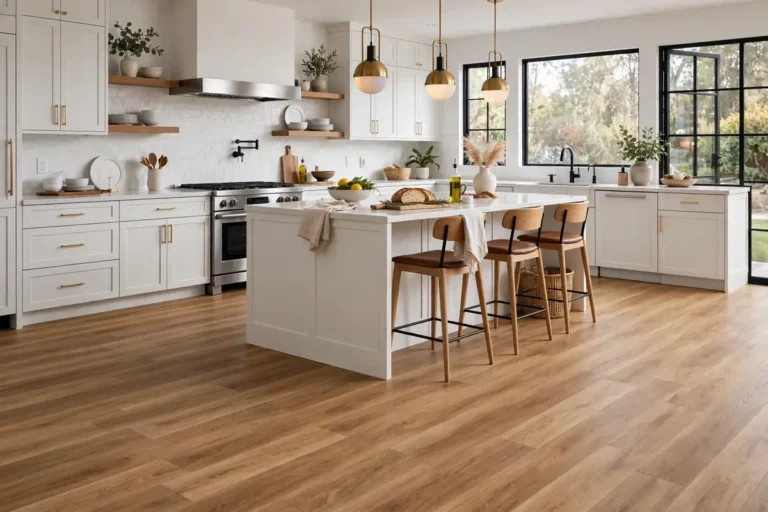

When choosing new floors, USA homeowners inevitably face the laminate vs hardwood debate. Both can look beautiful, but they differ enormously in cost, durability, maintenance, and long-term value. Laminate flooring has improved dramatically in recent years — modern laminates convincingly mimic real wood — which makes the laminate vs hardwood decision harder than ever.
This honest comparison of laminate vs hardwood covers every factor that matters: upfront and lifetime costs, appearance, durability, water resistance, maintenance, installation, environmental impact, and resale value. By the end, you will know exactly which flooring suits your home, your lifestyle, and your budget.
Laminate vs Hardwood: Upfront Cost Comparison
Cost is where the laminate vs hardwood comparison starts for most USA homeowners, and the gap is substantial. Quality laminate flooring costs $2 to $6 per square foot installed, with most homeowners paying $3 to $4. For a 500-square-foot living area, that is $1,500 to $2,000 total — very budget-friendly.
Hardwood, by contrast, runs $8 to $18 per square foot installed, with most projects landing at $12 to $15. That same 500 square feet costs $6,000 to $7,500 — three to four times the laminate price. For a whole house, the difference can exceed $15,000. In the laminate vs hardwood cost debate, laminate wins decisively on upfront investment. For detailed hardwood pricing, see our hardwood floor installation cost USA 2026 guide.
However, upfront cost tells only part of the story. Hardwood lasts 50 to 100 years and can be refinished multiple times. Laminate lasts 15 to 25 years and cannot be refinished — when it wears out, you replace it entirely. Over 30 years of homeownership, you might install laminate twice ($3,000–$4,000 total for our example room) versus hardwood once ($6,000–$7,500). The lifetime cost gap narrows considerably, though laminate still costs less overall.
Appearance: Can You Tell the Difference?
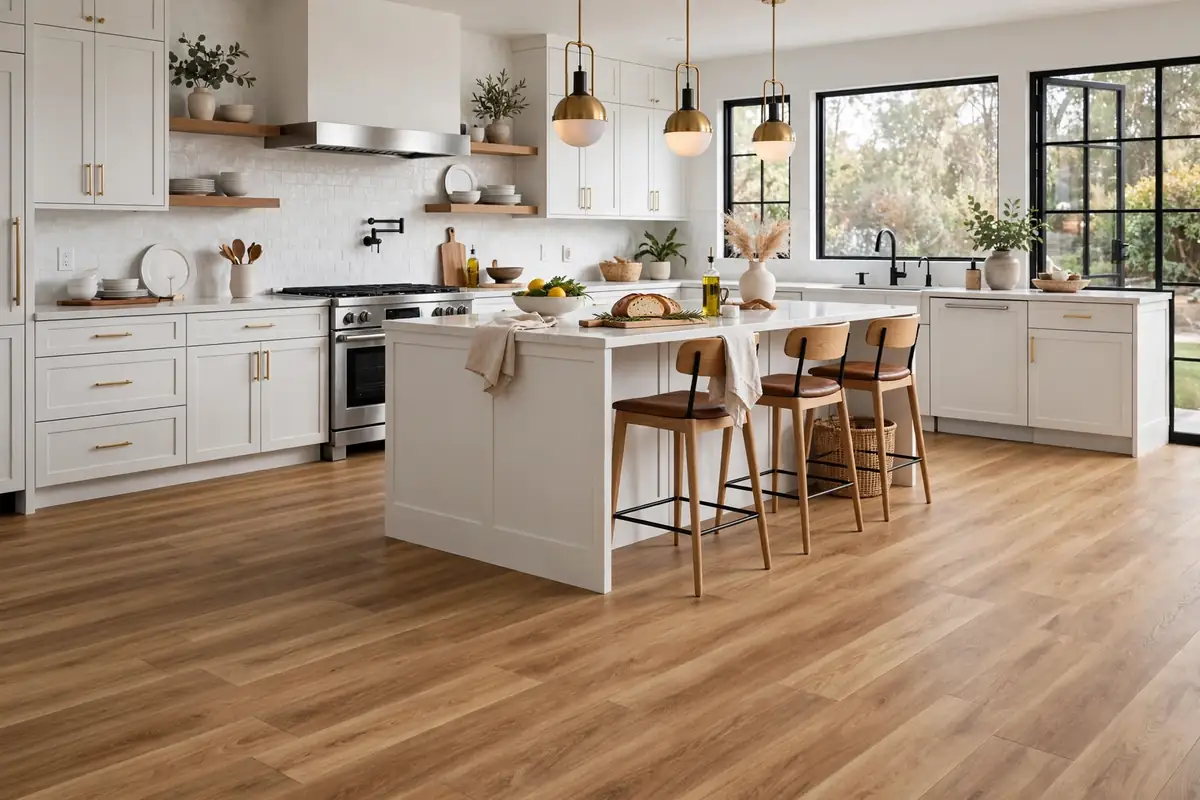
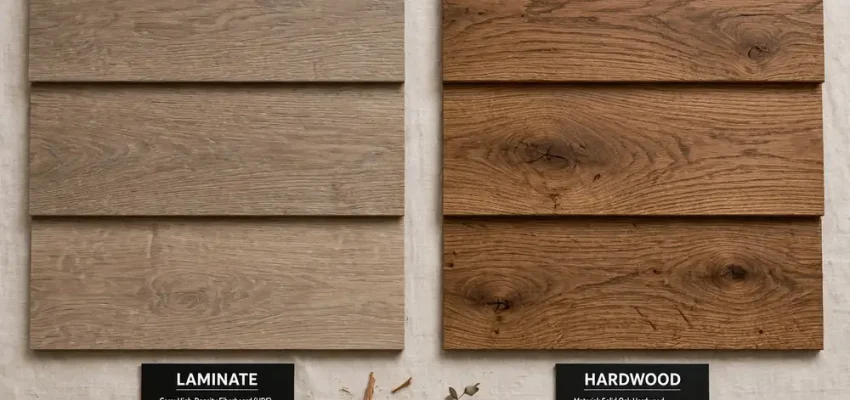
The laminate vs hardwood appearance gap has shrunk dramatically. Premium laminate now features high-definition photographic layers, embossed textures that follow the grain pattern, and beveled edges that mimic real plank construction. From standing height in normal lighting, quality laminate fools most people — including many flooring professionals at first glance.
Up close and underfoot, differences emerge. Hardwood has depth, warmth, and subtle variation that no photograph can fully replicate. Each plank is unique, with grain patterns that catch light differently throughout the day. Laminate patterns repeat — look carefully and you will spot the same “plank” recurring across the floor. Hardwood also feels solid and warm; laminate can feel slightly hollow or plasticky, especially cheaper products.
In the laminate vs hardwood beauty contest, hardwood still wins for discerning eyes, but the margin is smaller than ever. If your priority is the look of wood on a tight budget, modern laminate delivers impressive results. Just invest in mid-range or premium laminate — budget laminate still looks obviously fake.
Durability and Wear Resistance
Durability is a key battleground in the laminate vs hardwood comparison, and the winner depends on how you define it. Laminate’s wear layer — a tough aluminum-oxide coating — resists scratches, dents, and fading exceptionally well. In homes with large dogs, kids on scooters, or heavy foot traffic, laminate often looks better after five years than hardwood does. Pet owners should also check our flooring for pets guide for breed-specific advice.
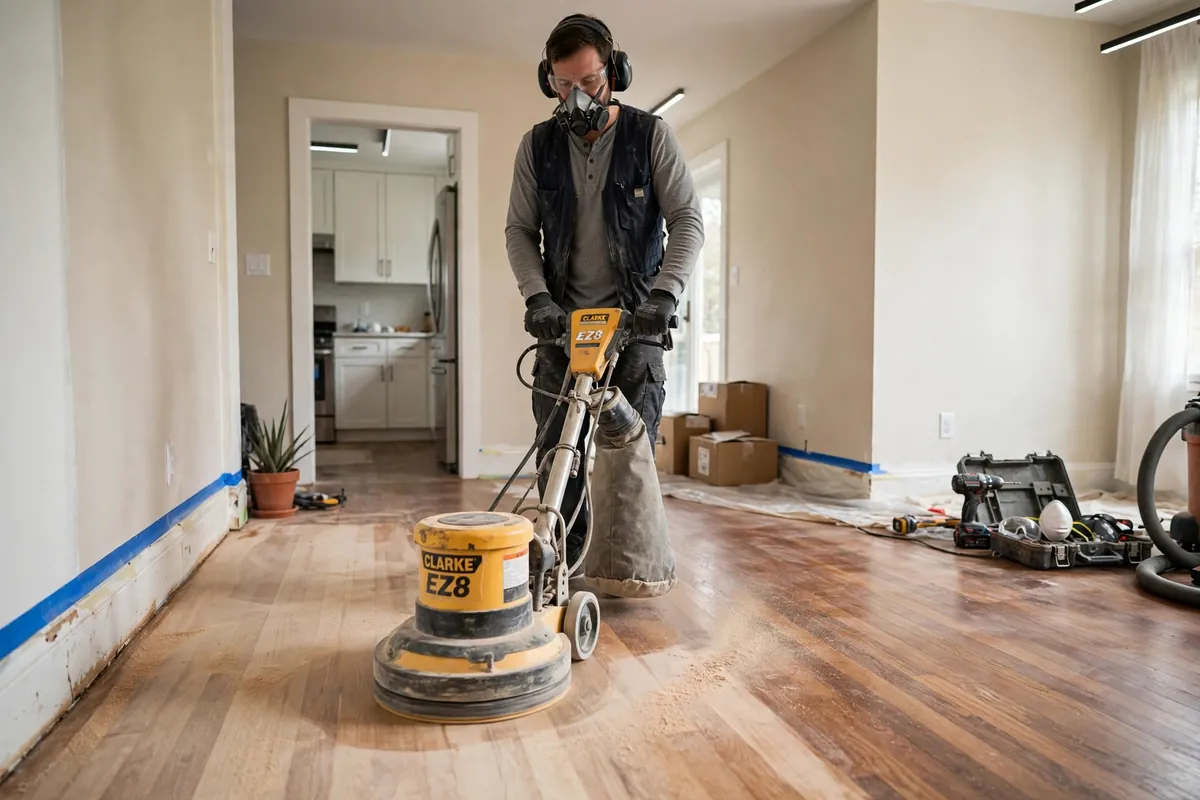
Hardwood dents and scratches more easily, especially softer species like walnut or American cherry. However — and this is crucial in the laminate vs hardwood durability debate — hardwood damage can be repaired. Scratches sand out, dents can be steamed out or filled, and the entire floor can be refinished to look brand new. Our hardwood refinishing guide explains the process. Laminate damage is permanent; a deep scratch or chip means living with it or replacing planks.
For sheer scratch resistance in chaotic households, laminate wins. For long-term repairability and the ability to look new again after decades, hardwood wins. Choose based on whether you prefer a floor that resists damage or one that can be restored from it.
Water and Moisture Resistance
Neither laminate nor hardwood loves water, but in the laminate vs hardwood moisture comparison, standard laminate has a slight edge — and waterproof laminate has a big one. Traditional laminate swells and warps when water seeps into seams, but its plastic wear layer sheds surface spills better than unfinished wood. Quick cleanup of spills is fine for both.
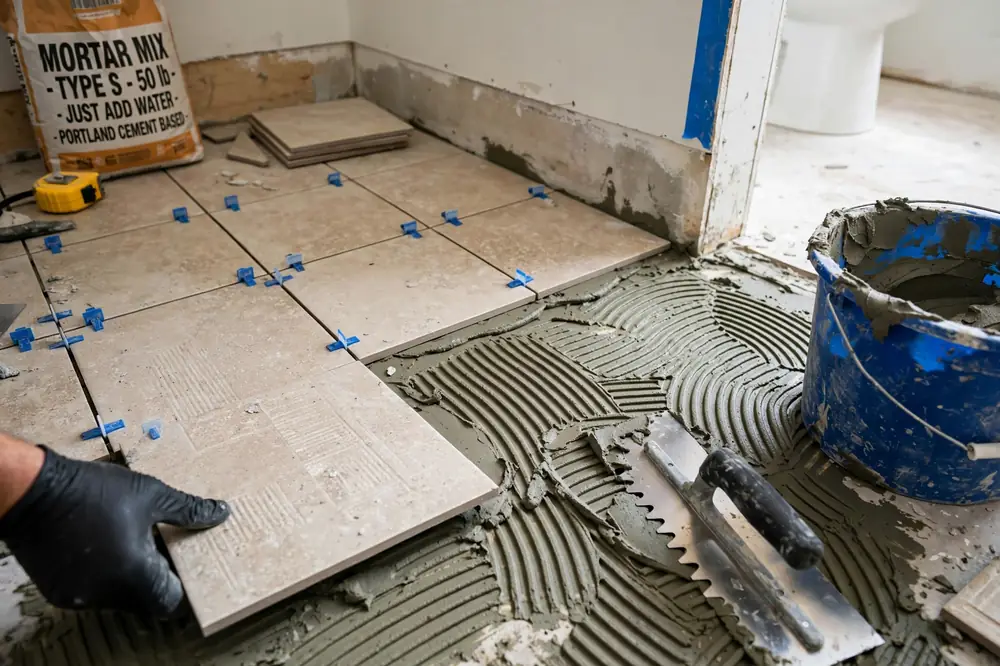
Newer waterproof laminate products, with water-resistant cores and sealed edges, handle moisture dramatically better and are suitable for kitchens and even bathrooms where traditional laminate and hardwood should never go. Standard hardwood and standard laminate both fail in wet areas — our tile installation cost in USA guide covers the best alternative — for those rooms, see our tile vs laminate in bathrooms comparison instead.
For kitchens, the laminate vs hardwood choice favors waterproof laminate or engineered hardwood with a good finish. For living rooms, bedrooms, and hallways where moisture is minimal, both perform well with normal care. Neither belongs in a bathroom with a shower — that is tile territory.
Maintenance Requirements
In the laminate vs hardwood maintenance comparison, laminate is the clear winner for ease. Sweep or vacuum regularly, damp-mop occasionally with a laminate-safe cleaner, and you are done. No refinishing, no special polishes, no waxing. Laminate’s maintenance is essentially “keep it clean,” which busy USA families appreciate.
Hardwood requires more attentive care: regular sweeping with a soft-bristle broom, cleaning with hardwood-specific products (never wet-mop or use vinegar), promptly wiping spills, using felt pads on furniture, and refinishing every 7 to 10 years in high-traffic areas. Our hardwood maintenance guide covers the full routine. It is not onerous, but it is more involved than laminate’s wipe-and-go simplicity.
If low maintenance is your top priority in the laminate vs hardwood decision, laminate wins without contest. If you enjoy caring for natural materials and do not mind periodic refinishing, hardwood’s maintenance is manageable and rewarding.
Installation: DIY-Friendliness
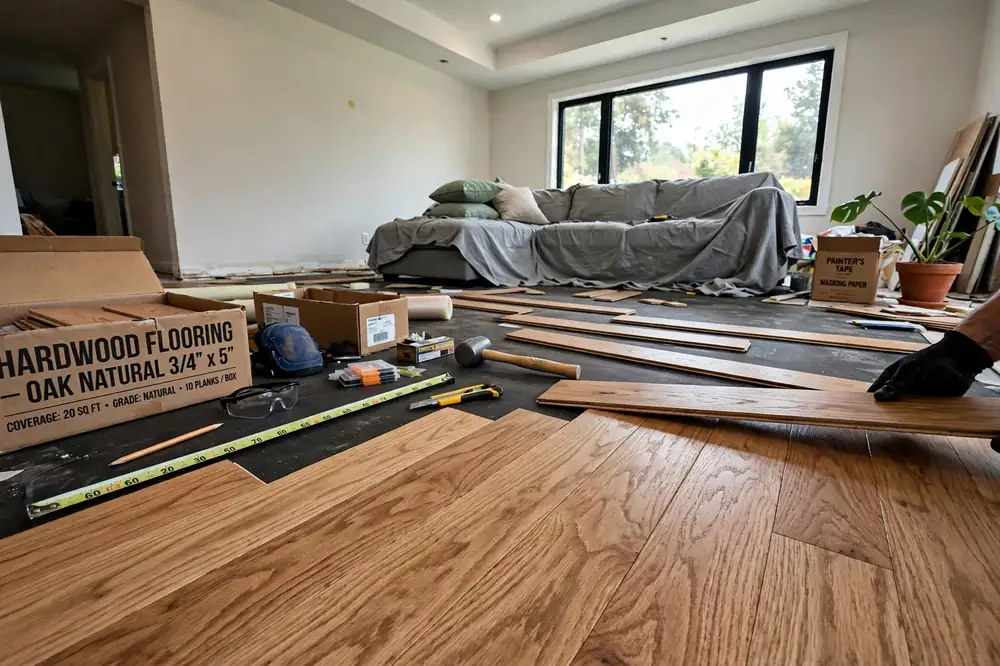
Laminate dominates the laminate vs hardwood installation comparison for DIYers. Proper subfloor prep matters for both — our floor leveling cost before installation USA guide explains what to budget. Most laminate uses click-lock floating installation — planks snap together over an underlayment with no nails, glue, or special tools. A handy homeowner can install laminate in a bedroom over a weekend. This DIY-friendliness is a major reason for laminate’s popularity across the USA.
Hardwood installation is a professional job for most people. Nail-down solid hardwood requires a flooring nailer, experience with layout and transitions, and skill in cutting around obstacles. Even engineered hardwood, while sometimes DIY-friendly in click-lock form, benefits from professional installation for best results. Labor adds $3 to $8 per square foot to hardwood’s cost — a significant portion of the total.
If you plan to DIY your floors, laminate is the practical choice in the laminate vs hardwood decision. If you are hiring professionals anyway, the installation difficulty matters less, and hardwood’s other advantages carry more weight.
Resale Value Impact
Here the laminate vs hardwood comparison is not close: hardwood wins decisively. Real estate data consistently shows that hardwood floors increase home value and buyer appeal more than any other flooring type. Many USA buyers specifically filter listings for hardwood floors, and homes with hardwood often sell faster and for more money. The National Association of Realtors has found hardwood floor installation recovers 100 percent or more of its cost at resale.
Laminate is resale-neutral at best. Quality laminate does not hurt value — it looks clean and modern — but it does not command a premium either. Budget laminate can actually raise buyer concerns about overall home quality. In the laminate vs hardwood investment analysis, hardwood is the only flooring that reliably pays for itself when you sell.
If you plan to sell within five to ten years, hardwood’s resale advantage may offset its higher cost entirely. If this is your long-term home and resale is not a factor, choose based on lifestyle and preference rather than investment return.
Environmental Considerations
Environmentally conscious homeowners weighing laminate vs hardwood should know that both have trade-offs. Hardwood is a natural, renewable resource — especially domestic species from responsibly managed USA forests. It lasts for generations, keeping material out of landfills. However, harvesting, milling, and transporting wood has environmental costs, and exotic species raise deforestation concerns.
Laminate is a manufactured product containing wood fiber, resins, and plastics. It is not biodegradable and cannot be recycled easily, but it uses less virgin wood than solid hardwood and its long lifespan (15–25 years) is respectable. Look for laminate certified by NALFA (North American Laminate Flooring Association) for low emissions. For the greenest wood option, consider our bamboo flooring cost guide — bamboo is technically a grass that regenerates in five years.
The Verdict: Laminate vs Hardwood
Choose hardwood in the laminate vs hardwood debate if: budget allows the premium; you value authenticity, warmth, and natural beauty; long-term repairability matters; you plan to sell within 10 years and want maximum ROI; or this is your forever home and you want floors that last generations.
Choose laminate if: budget is the primary constraint; you have large dogs, young kids, or extremely high traffic; low maintenance is essential; you want to DIY the installation; or you like changing decor periodically and do not need floors to last 50 years.
There is also a middle path many USA homeowners take: hardwood in living areas, bedrooms, and other showcase spaces where its beauty and value shine, with laminate, carpet installation, or vinyl plank in basements, playrooms, or rental units where durability and cost matter most. For more options in this middle range, our vinyl plank flooring pros and cons guide covers the flooring type that is rapidly gaining on both laminate and hardwood in popularity.
The laminate vs hardwood decision has no universally wrong answer — only the right answer for your home, budget, and lifestyle. Weigh the factors honestly, choose quality products in whichever category you pick, and enjoy floors that serve your family well for years to come.