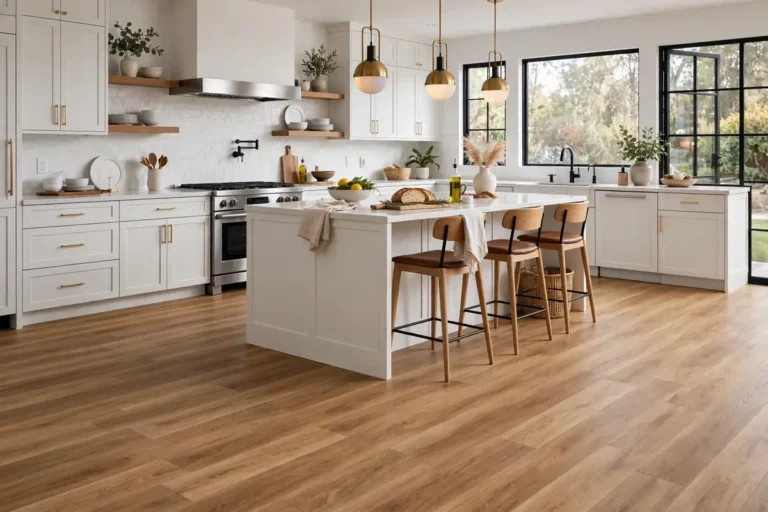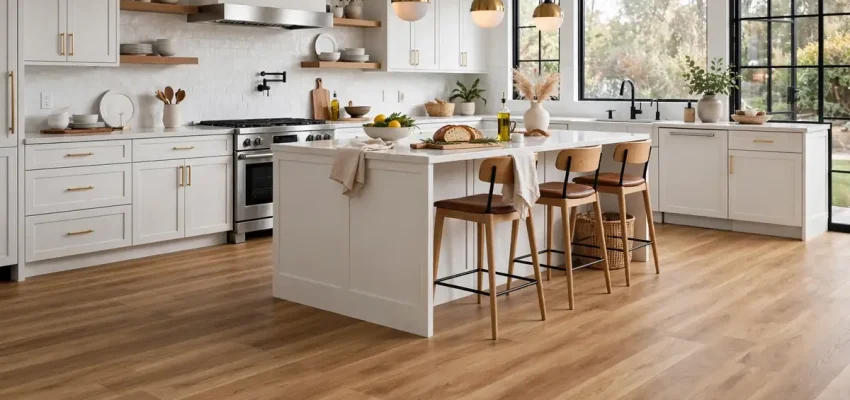

Vinyl plank flooring has exploded in popularity across the USA, becoming one of the best-selling floor types in the country. But is it right for your home? This honest look at vinyl plank flooring pros and cons covers everything USA homeowners need to know — costs, durability, appearance, water resistance, installation, and how it compares to hardwood, laminate, and tile — so you can decide with confidence.
Modern vinyl plank (also called luxury vinyl plank or LVP) is a world away from the sheet vinyl of decades past. Today’s products convincingly mimic wood and stone, handle water with ease, and install simply enough for DIYers. Yet vinyl plank flooring pros and cons reveal real trade-offs too, including environmental concerns and limitations on refinishing. Let us examine both sides fairly.
What Is Vinyl Plank Flooring?
Vinyl plank flooring consists of individual planks — typically 6 inches wide by 48 inches long — made from layered PVC vinyl. Quality products have four layers: a wear layer (the tough top coating), a photographic design layer (the wood or stone image), a rigid core (WPC, SPC, or flexible PVC), and a backing layer. This construction is central to understanding vinyl plank flooring pros and cons, because the core type dramatically affects performance.
WPC (wood-plastic composite) cores are thicker, warmer, and more comfortable underfoot. SPC (stone-plastic composite) cores are thinner, denser, and more dent-resistant — the current premium choice for most USA applications. Flexible/glue-down vinyl is the budget option, thinner and less forgiving of subfloor imperfections. When comparing products, the wear layer thickness (measured in mils) matters most: 12-mil suits residential use, 20-mil handles heavy traffic, and 28-mil+ is commercial grade.
Vinyl Plank Flooring Pros
Excellent Water Resistance
The standout among vinyl plank flooring pros is water resistance. Quality WPC and SPC vinyl plank is 100 percent waterproof — not just water-resistant. Spills, pet accidents, mopping, even minor flooding will not damage it. This makes vinyl plank one of the few wood-look options suitable for kitchens, bathrooms, laundry rooms, and basements across USA homes. For bathroom-specific comparisons, see our tile vs laminate in bathrooms guide.
Affordable Cost
Vinyl plank flooring pros include very competitive pricing. Materials run $2 to $7 per square foot, with most quality residential products at $3 to $5. Professional installation adds $2 to $4 per square foot, bringing typical installed costs to $5 to $9 per square foot — roughly half the cost of hardwood. For a 500-square-foot area, expect $2,500 to $4,500 installed. Our hardwood installation cost guide shows the comparison starkly.
Impressive Durability
Quality vinyl plank resists scratches, dents, and stains remarkably well. The aluminum-oxide wear layer shrugs off pet claws, high heels, and dragged furniture that would scar hardwood. In the vinyl plank flooring pros and cons durability debate, vinyl plank beats hardwood for scratch resistance and beats laminate for dent resistance (SPC cores especially). Most products carry 15- to 25-year residential warranties.
DIY-Friendly Installation
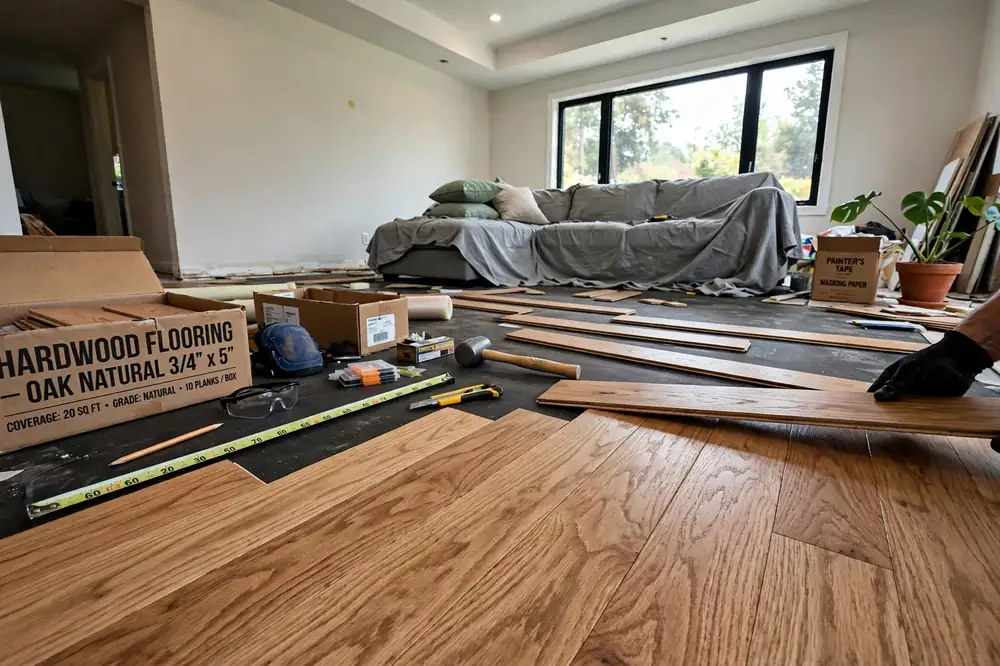
Most vinyl plank uses click-lock floating installation — planks snap together over an underlayment with no glue or nails. A handy USA homeowner can install vinyl plank in a bedroom over a weekend with basic tools. This DIY-friendliness saves $2 to $4 per square foot in labor and makes vinyl plank popular for rental properties and budget renovations. Even glue-down vinyl, while more involved, is simpler than nailing hardwood.
Comfort and Warmth
Vinyl plank feels warmer and softer underfoot than tile or hardwood, especially WPC products with their slightly cushioned core. This comfort factor is underrated among vinyl plank flooring pros — in kitchens where you stand for long periods, or playrooms where kids sit on the floor, the difference is noticeable. Many products include attached underlayment that adds softness and sound dampening.
Low Maintenance
Maintaining vinyl plank is effortless: sweep or vacuum regularly, damp-mop with a vinyl-safe cleaner as needed. No refinishing, no special polishes, no waxing, no humidity worries. Among vinyl plank flooring pros, this simplicity appeals enormously to busy USA families. Unlike hardwood, you never worry about water spots, and unlike carpet, you never worry about stains setting permanently.
Vinyl Plank Flooring Cons
Cannot Be Refinished
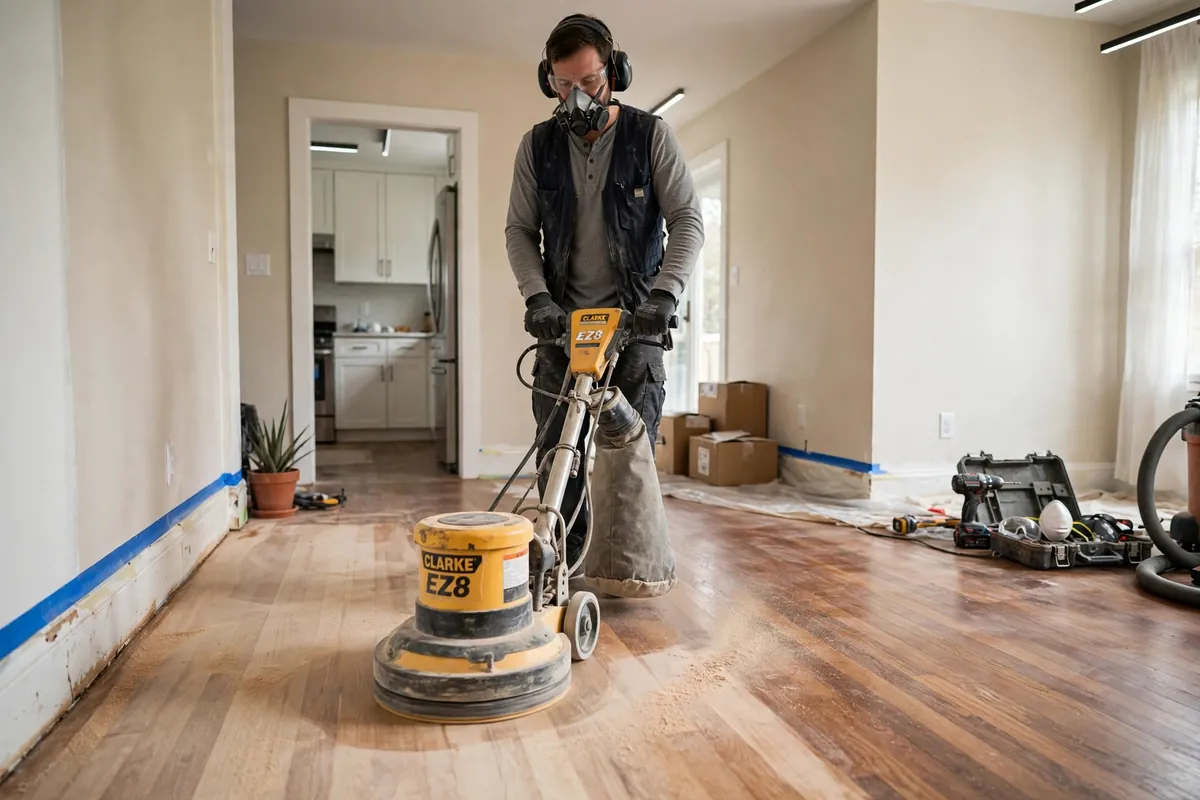
The most significant of vinyl plank flooring cons is that damage is permanent. Deep scratches, gouges, or burns cannot be sanded out like hardwood — the photographic layer is only a printed image. While individual planks can sometimes be replaced (easier with click-lock than glue-down), matching dye lots years later is difficult. Our hardwood refinishing guide shows the contrast: hardwood can look new again after decades, while vinyl plank only looks as good as its best day.
Lower Resale Value Than Hardwood
In the vinyl plank flooring pros and cons investment analysis, resale is the weak point. Vinyl plank is resale-neutral — it looks clean and modern but does not command the premium that genuine hardwood does. Some luxury USA buyers view vinyl plank as a budget choice, even when it is a deliberate, practical one. If maximizing resale value is your goal, hardwood remains the stronger investment.
Environmental Concerns
Vinyl plank is a petroleum-based plastic product, and this is among the most cited vinyl plank flooring cons. It is not biodegradable, difficult to recycle, and manufacturing involves PVC, which has environmental and health questions. While modern products are FloorScore certified for low VOC emissions (insist on this certification), environmentally conscious homeowners may prefer natural alternatives. Our bamboo flooring guide covers a rapidly renewable option.
Can Look Artificial Up Close
Despite impressive advances, vinyl plank can still look artificial in certain lights or at close range — one of the persistent vinyl plank flooring cons. Pattern repetition becomes visible across large areas, edges can look too perfect compared to real wood’s organic variation, and the plastic sheen differs from wood’s natural luster. Premium products minimize these tells, but budget vinyl plank often looks obviously synthetic. Invest in mid-range or better for the most convincing appearance.
Vulnerable to Sharp Objects and Heat
While vinyl plank resists everyday wear well, sharp objects can puncture or cut it — dropped knives, dragging metal furniture without pads, or stiletto heels on thin products. It is also sensitive to heat: rubber-backed rugs can discolor it, and extreme heat from fireplaces or sun through windows can cause warping in budget products. Use felt pads, avoid rubber mats, and manage sun exposure with window treatments.
Subfloor Imperfections Show Through
Vinyl plank, especially thinner flexible products, telegraphs subfloor imperfections — bumps, dips, and debris become visible as lumps or hollow spots. SPC rigid core handles this better than flexible vinyl, but all vinyl plank needs a reasonably flat subfloor. If your subfloor needs work, our floor leveling cost guide helps you budget. This preparation requirement surprises DIYers expecting a simple floating floor.
Vinyl Plank vs Other Flooring Types
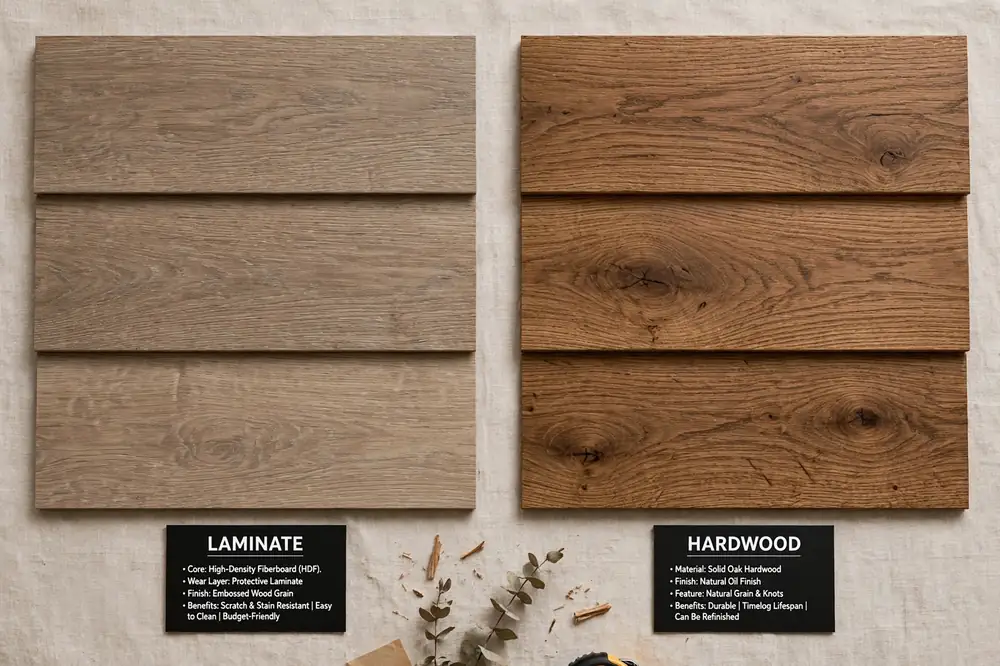
How do vinyl plank flooring pros and cons stack up against alternatives? Versus hardwood: vinyl plank costs half as much, handles water and pets better, and installs easier — but hardwood looks more authentic, can be refinished, and adds more resale value. Our laminate vs hardwood comparison covers the natural-wood decision in depth.
Versus laminate: vinyl plank wins on water resistance (waterproof vs water-resistant) and comfort, while laminate offers slightly better scratch resistance at comparable prices. For kitchens, bathrooms, and basements, vinyl plank is the clear choice; for dry living areas, it is a toss-up based on style preference. Our best flooring for basements guide leans heavily toward vinyl plank for below-grade spaces.
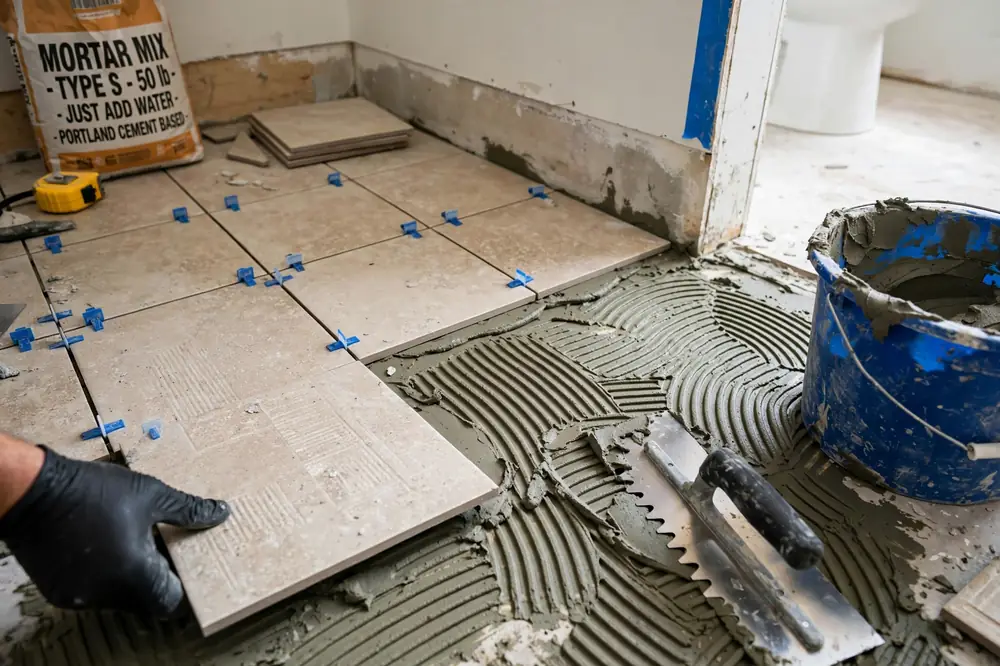
Versus tile: vinyl plank is warmer, softer, cheaper, and DIY-friendly, while tile is more durable, more prestigious, and better for wettest areas. Many USA homeowners use tile in bathrooms and vinyl plank everywhere else — a practical combination. See our tile installation cost guide for the premium alternative.
Choosing Quality Vinyl Plank
Navigating vinyl plank flooring pros and cons starts with buying the right product. Look for: minimum 12-mil wear layer for residential (20-mil for heavy traffic or pets); SPC rigid core for best dent resistance and stability; FloorScore or GREENGUARD certification for indoor air quality; attached underlayment for comfort and sound reduction; and a reputable manufacturer with a strong warranty. Avoid unbranded products from discount outlets — quality varies wildly.
Buy from flooring specialty stores rather than big-box retailers when possible — the staff expertise and product selection are better, and prices are often competitive. Order samples and live with them for a few days: check the color in your lighting at different times of day, feel the texture, and test stain resistance with coffee or wine. What looks good in the store may feel different in your home.
Installation Tips
For click-lock vinyl plank, acclimate the boxes in the installation room for 48 hours. Ensure the subfloor is clean, dry, and flat within 3/16 inch over 10 feet — grind high spots and fill low spots as needed. Undercut door jambs so planks slide underneath for a professional look. Stagger end joints at least 6 inches apart, maintain expansion gaps at walls (covered by baseboards), and work from multiple boxes simultaneously to blend shade variations.
The most common DIY mistake is rushing subfloor prep. An hour spent leveling and cleaning saves years of regret over lumps and hollow spots. If your subfloor is concrete, test for moisture — excessive moisture needs a vapor barrier regardless of the vinyl plank’s waterproof claims. Take your time with the first three rows; they set the alignment for the entire floor.
The Bottom Line on Vinyl Plank Flooring Pros and Cons
Weighing vinyl plank flooring pros and cons, this flooring type earns its popularity honestly. It delivers waterproof performance, attractive wood looks, easy DIY installation, and low maintenance at a price most USA families can afford. For kitchens, bathrooms, basements, rentals, and busy households with pets and kids, it is often the most practical choice available.
Its limitations — no refinishing, lower prestige than hardwood, environmental questions — matter more to some homeowners than others. If you want floors that last generations and maximize resale, hardwood remains king. If you want beautiful, practical, affordable floors for real life right now, vinyl plank is hard to beat.
Choose a quality product with a thick wear layer and SPC core, prepare your subfloor properly, and install carefully. For more flooring guidance, explore our hardwood cost, carpet installation cost, and pet-friendly flooring articles. The right floor is the one that fits your budget, your lifestyle, and your home — and for millions of USA families, that floor is vinyl plank.