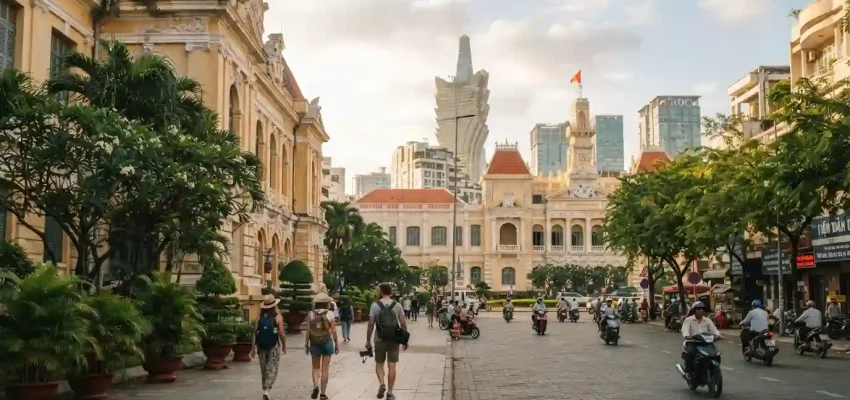

From the historic center of District 1 to peaceful pagodas and lively local markets, the city offers experiences for families, couples, solo travelers, and first-time visitors. This guide highlights ten attractions worth prioritizing while also helping you connect your trip with broader travel ideas such as short city itineraries, Ho Chi Minh City sightseeing, and other international destinations covered by AnchorEra.
1. War Remnants Museum
The War Remnants Museum is one of the most significant historical attractions in Ho Chi Minh City. Located in District 3, the museum presents photographs, military equipment, documents, and exhibits connected with the Vietnam War and its wider human impact.
Visitors should allow enough time to move through the exhibitions rather than treating the museum as a quick stop. The experience is particularly valuable for travelers who want to understand Vietnam beyond its beaches, restaurants, and modern cityscape.
Because many exhibits deal with difficult historical subjects, families traveling with younger children may want to consider the age and sensitivity of their group before visiting.
2. Independence Palace
Independence Palace, also known as Reunification Palace, is another essential stop for anyone exploring the city’s history. The building played an important role during the Vietnam War and remains one of the most recognizable landmarks in central Ho Chi Minh City.
The palace allows visitors to explore formal rooms, meeting spaces, underground areas, and other parts of the complex. Its architecture and preserved interiors provide a different perspective from the museum experience.
Travelers interested in historic destinations can also compare this type of experience with other guides on AnchorEra, including the best places to visit in Austria and places to visit near Fushimi Inari Shrine.
3. Saigon Notre-Dame Cathedral Basilica
Saigon Notre-Dame Cathedral Basilica is one of the city center’s best-known architectural landmarks. Its red-brick exterior and European-inspired design reflect the French colonial influence that shaped parts of old Saigon.
The cathedral is located in a central area, making it convenient to combine with several nearby attractions. Rather than planning a separate trip just for the cathedral, visitors can include it within a walking route through the historic heart of the city.
Architecture enthusiasts may also enjoy comparing colonial-era landmarks with destinations featured in Geneva and Malaysia.
4. Saigon Central Post Office
Located close to the cathedral, Saigon Central Post Office is another architectural highlight. The building combines French colonial design with details that reflect the character of the city.
Its spacious interior, historic appearance, and central location make it an easy addition to a Ho Chi Minh City walking itinerary. Travelers can also use the opportunity to explore surrounding streets, cafes, shops, and other landmarks.
If you enjoy compact urban sightseeing routes, you may also want to explore Melbourne city attractions and other Ho Chi Minh City travel ideas.
5. Ben Thanh Market
Ben Thanh Market is one of the most recognizable places to experience the everyday energy of central Ho Chi Minh City. The market is filled with stalls selling food, clothing, souvenirs, household products, coffee, spices, and other goods.
For travelers, the market is more than a shopping stop. It provides an opportunity to experience local flavors, practice bargaining, discover Vietnamese products, and observe the fast-moving atmosphere of one of the city’s busiest commercial areas.
Food-focused travelers may want to combine a market visit with broader destination research, including Colombia travel destinations and South European destinations, where local cuisine is also an important part of the travel experience.
6. Jade Emperor Pagoda
Jade Emperor Pagoda offers a quieter contrast to the busy streets of central Ho Chi Minh City. The temple is known for its religious artwork, statues, decorative details, incense-filled spaces, and traditional atmosphere.
It is a useful stop for visitors who want to experience another side of the city beyond museums and commercial attractions. The peaceful environment can also provide a welcome break during a busy sightseeing day.
Travelers interested in temples and spiritual landmarks can extend their research through destinations such as Fushimi Inari Shrine and its surrounding attractions or Tokyo during autumn.
7. Saigon River
The Saigon River gives visitors a different way to appreciate the scale and character of Ho Chi Minh City. Riverside areas are especially appealing around sunset when the changing light creates a more relaxed atmosphere after the intensity of daytime traffic.
Depending on the itinerary, visitors can explore riverside viewpoints, enjoy a meal overlooking the water, or consider a boat experience. The river also provides a useful contrast between the city’s historic center and its rapidly developing modern districts.
If waterfront destinations are part of your travel interests, AnchorEra also covers Loch Lomond, Santorini, and Montreal travel planning.
8. Bui Vien Walking Street
Bui Vien Walking Street is famous for its energetic nightlife, restaurants, cafes, street food, and social atmosphere. It is particularly popular with younger travelers and visitors looking for an active evening experience.
The area can be crowded and noisy, so travelers seeking a quiet night may prefer a different part of the city. For those who enjoy lively streets and late-night dining, however, Bui Vien provides a distinctly urban Ho Chi Minh City experience.
Travelers comparing nightlife destinations can also explore Baguio at night and San Sebastian travel ideas.
9. Chinatown and Binh Tay Market
Cholon, Ho Chi Minh City’s historic Chinatown area, offers a different cultural atmosphere from the central tourist district. The neighborhood is associated with Chinese-Vietnamese heritage, traditional businesses, temples, food establishments, and busy commercial streets.
Binh Tay Market is one of the area’s major attractions. Exploring Cholon can be especially rewarding for visitors who have already seen the central landmarks and want to understand more about the city’s cultural diversity.
For travelers who enjoy exploring distinctive neighborhoods and local markets, other international ideas include Nador, Morocco, Istanbul’s European side, and Port Blair.
10. Landmark 81 and the Modern City Skyline
Landmark 81 represents the modern side of Ho Chi Minh City. The skyscraper and surrounding urban development provide a sharp contrast to the historic buildings, markets, and traditional temples found elsewhere in the city.
Visitors interested in contemporary architecture, panoramic city views, shopping, dining, and modern entertainment can include this area in their itinerary. It is also a useful reminder that Ho Chi Minh City is not defined only by its historical attractions.
Those interested in modern urban destinations can also explore Los Angeles, London, and Savannah for different city experiences.
How to Plan a Ho Chi Minh City Sightseeing Day
The best way to experience the top attractions is to group nearby locations together instead of crossing the city repeatedly. A central walking route can include the Independence Palace, Notre-Dame Cathedral area, Central Post Office, and Ben Thanh Market.
Another day can focus on the War Remnants Museum, Jade Emperor Pagoda, local neighborhoods, and the Saigon River. An evening itinerary can then include Bui Vien Walking Street or a quieter riverside dining experience.
If your trip is short, prioritize attractions according to your interests. History enthusiasts should focus on museums and landmarks, food lovers should spend more time in markets and local neighborhoods, while families may prefer a balanced combination of cultural attractions, open spaces, and modern entertainment.
Best Time to Visit Ho Chi Minh City
Ho Chi Minh City generally has a tropical climate with a dry period and a wetter period. December through April is often considered a convenient period for sightseeing because travelers may encounter more favorable conditions for outdoor exploration.
However, weather can vary, and travelers should check current conditions before finalizing daily plans. During hotter or wetter periods, scheduling outdoor attractions earlier in the day and keeping indoor alternatives available can make the trip more comfortable.
How Many Days Do You Need in Ho Chi Minh City?
Three days can provide enough time to experience many of the city’s major attractions without rushing excessively. A longer stay allows visitors to explore additional neighborhoods, take day trips, spend more time trying local food, and experience the city at a slower pace.
First-time visitors with limited time should concentrate on District 1 and nearby attractions before expanding into other areas. Travelers with four or five days can create a more balanced itinerary that includes history, culture, food, shopping, and modern city experiences.
Tips for First-Time Visitors
- Group attractions by neighborhood to reduce unnecessary travel time.
- Start outdoor sightseeing earlier when temperatures are more comfortable.
- Keep small amounts of local currency available for markets and smaller vendors.
- Use reputable transportation services and pay attention to traffic when crossing busy streets.
- Dress respectfully when visiting religious sites.
- Allow extra time for traffic, particularly during busy periods.
- Try local dishes such as pho and banh mi as part of the overall travel experience.
- Keep valuables secure in crowded markets and busy tourist areas.
- Leave room in your itinerary for spontaneous food and neighborhood discoveries.
- Check attraction schedules before visiting because opening arrangements can change.
Final Thoughts
The top ten places to visit in Ho Chi Minh City reveal how dramatically different experiences can exist within one destination. Historic museums and palaces explain the city’s past, colonial architecture adds visual character, markets introduce visitors to local commerce and food, temples provide cultural depth, and modern landmarks demonstrate the city’s continuing transformation.
Whether you are planning a short city break or a longer Vietnam itinerary, these attractions provide a strong starting point. The key is to organize your days around neighborhoods and personal interests so you can experience Ho Chi Minh City without spending the entire trip in transit.
FAQ
What are the top places to visit in Ho Chi Minh City?
Major attractions include the War Remnants Museum, Independence Palace, Notre-Dame Cathedral Basilica, Saigon Central Post Office, Ben Thanh Market, Jade Emperor Pagoda, Saigon River, Bui Vien Walking Street, Cholon and Binh Tay Market, and Landmark 81.
How many days are enough for Ho Chi Minh City?
Three days is a practical starting point for first-time visitors. A longer stay gives travelers more time for food experiences, neighborhoods, shopping, cultural attractions, and day trips.
Is Ho Chi Minh City good for families?
Yes. Families can choose from historical attractions, cultural sites, markets, modern entertainment, food experiences, and sightseeing opportunities. It is best to balance busy attractions with quieter activities.
What is the best area for first-time visitors?
District 1 is a convenient base for many first-time visitors because several major attractions are located nearby. Staying centrally can make it easier to combine sightseeing, restaurants, shopping, and evening activities.
What should I not miss in Ho Chi Minh City?
For a first visit, the War Remnants Museum, Independence Palace, Central Post Office, Ben Thanh Market, and at least one cultural or religious site are strong choices. Adding a riverfront experience and a modern attraction creates a more complete picture of the city.