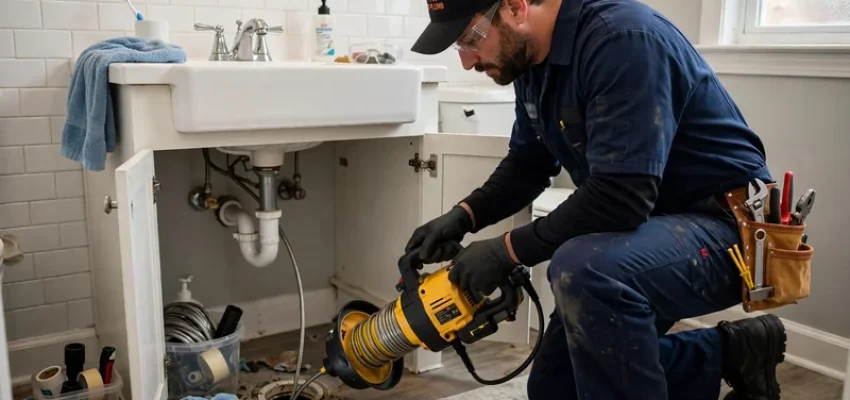

Standing water in the shower, a kitchen sink that drains slower every week, a gurgling toilet that hints at something deeper — clogged drains are among the most frustrating plumbing problems American homeowners face. Before you call for help, it pays to understand the drain cleaning cost in USA markets in 2026, what methods plumbers use, and when a simple clog signals a bigger (and pricier) problem lurking in your sewer line.
Professional drain cleaning typically costs $150 to $400 for a standard clog, but the range widens dramatically based on the method required, the drain’s location, and your region. A basic bathroom sink snake job might run $100, while hydro jetting a main sewer line can exceed $800. This guide breaks down every cost factor so you can budget accurately and avoid surprises.
Average Drain Cleaning Cost in USA 2026
For a typical single-drain clog — a bathroom sink, shower, or tub — expect to pay $150 to $250 when a plumber uses a standard drain snake (auger). Kitchen sink clogs, which often involve grease buildup, run slightly higher at $175 to $300. Toilet clogs cleared with a closet auger usually cost $150 to $275.
Main line clogs are a different beast entirely. When the blockage sits in your home’s main sewer line, costs jump to $300 to $600 for snaking and $500 to $900 for hydro jetting. These jobs take longer, require heavier equipment, and sometimes involve a camera inspection to locate the problem — which alone costs $150 to $400 but is often credited toward the cleaning if you hire the same company.
Most plumbers charge a trip or diagnostic fee of $50 to $100, sometimes waived if you proceed with the service. Hourly rates for drain work run $75 to $200 depending on your metro area. Always confirm whether the quote is flat-rate or time-and-materials before authorizing work — and if you have not vetted the company yet, our guide on how to find a reliable plumber near you in USA walks through the process.
Drain Cleaning Methods and Their Costs
Manual Snaking (Drain Auger): $150–$400
The workhorse of drain cleaning. A plumber feeds a flexible metal cable with a cutting head into the drain, breaking through or retrieving the clog. Hand-held snakes handle simple sink and tub clogs; motorized drum augers tackle tougher blockages deeper in the line. Most residential clogs clear with this method in 30 to 60 minutes.
Snaking works well for hair, soap scum, small objects, and moderate grease. It struggles with heavy root intrusion, collapsed pipes, or solidified grease lining the entire pipe — situations that call for more aggressive methods. For minor slowdowns you want to try yourself first, see how to unclog a drain naturally in USA homes.
Hydro Jetting: $350–$900
Hydro jetting blasts water at 3,000 to 4,000 PSI through a specialized nozzle, scouring the entire pipe interior clean. It does not just poke a hole through the clog — it removes grease, scale, sludge, and even small roots from the pipe walls, restoring near-original flow capacity. For main sewer lines and commercial-grade grease problems, nothing else compares.
The higher cost reflects specialized equipment and expertise. Not every pipe can handle jetting pressure — old clay, Orangeburg, or damaged pipes may crack, so reputable companies camera-inspect first. When done correctly on sound pipes, hydro jetting keeps drains clear far longer than snaking, making it cost-effective despite the premium.
Chemical Drain Cleaners: $10–$25 (DIY)
Over-the-counter caustic cleaners are cheap but problematic. They rarely clear serious clogs, can damage older pipes (especially with repeated use), kill beneficial bacteria in septic tank systems, and pose burn risks. Plumbers universally advise against them. Enzyme-based cleaners ($10–$20) are safer for monthly maintenance but will not clear an existing blockage.
Camera Inspection: $150–$400
Not a cleaning method itself, but often the smartest money spent. A waterproof camera on a flexible rod shows exactly what is blocking the drain — roots, bellied pipe, grease, collapsed section — eliminating guesswork. Many companies apply the inspection fee toward the cleaning cost. If your plumber recommends a $3,000 repair, a $250 camera inspection verifying the diagnosis is cheap insurance. This is especially important when sewer line replacement is on the table.
Cost by Drain Location
Bathroom sink or tub: $150–$250. Usually hair and soap — quick snake jobs.
Kitchen sink: $175–$300. Grease is the culprit; may need longer snaking or enzyme treatment. Homes that cook heavily should also consider grease trap cleaning for homes in USA as preventive care.
Toilet: $150–$275. Closet auger handles most clogs; recurring toilet backups may indicate a main line issue. If problems persist after clearing, our toilet installation cost in USA guide covers replacement options for outdated fixtures.
Washing machine drain: $175–$350. Lint, detergent residue, and sometimes small clothing items cause these clogs.
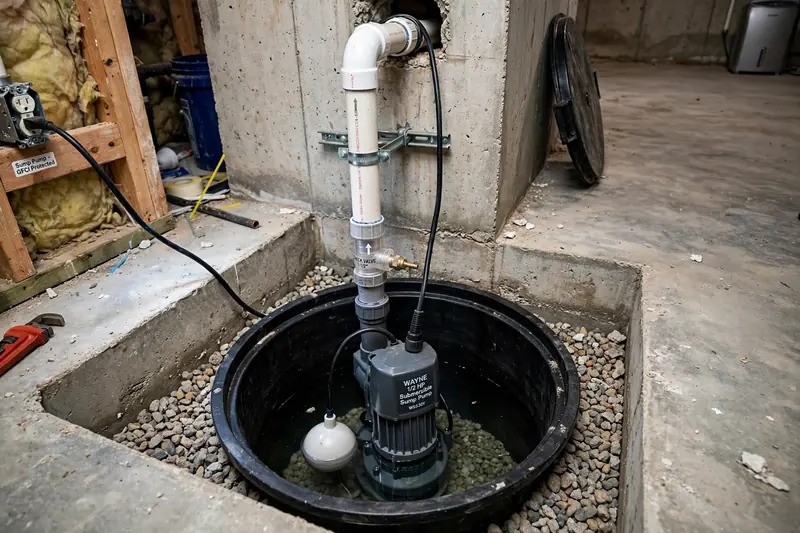
Floor drain (basement): $200–$400. Often tied to main line problems or sump pump installation issues — do not ignore these.
Main sewer line: $300–$900 depending on method. The most expensive standard drain job, but far cheaper than the alternative. Recurring main line clogs (every few months) strongly suggest sewer line replacement cost in USA should be evaluated.
What Causes Drain Clogs (and What It Costs to Fix Each)
Hair and Soap Scum
The number one cause of bathroom drain clogs. Hair binds with soap residue into dense mats that snag more debris. Prevention is cheap: $5 drain screens catch hair before it enters pipes. Professional clearing costs $150–$250, but this is one clog type where careful DIY with a plastic drain tool ($5) often works.
In navigating the complexities of home maintenance, understanding the costs associated with plumbing repairs not only prepares homeowners for immediate needs but also informs future renovations. When tackling kitchen projects, for instance, the price of a new sink installation can vary significantly based on material choices, design preferences, and installation methods. As you assess your current plumbing challenges, it’s essential to also consider how these expenses fit into your broader home improvement budget. For an insightful breakdown of the various factors influencing kitchen sink installation cost, homeowners can make informed decisions that enhance both functionality and aesthetics in their kitchens, all while avoiding unexpected financial burdens down the line.
Grease and Food Waste
Kitchen clogs from poured grease that solidifies in pipes. The fix runs $175–$300 professionally. Prevention: never pour grease down drains — collect it in a container and trash it. Running hot water after dishwashing helps, and monthly enzyme treatments ($15) keep buildup at bay. If your kitchen sink installation is older, the narrower pipes common in pre-1990s homes clog faster.
Tree Roots
Roots seek moisture and infiltrate sewer lines through tiny cracks or joints, then expand into dense masses. Root removal via snaking with a root-cutting head costs $300–$600, but roots grow back — typically within 12 to 24 months. Hydro jetting ($500–$900) clears more thoroughly. Permanent solutions range from pipe lining ($80–$250 per foot) to full sewer line replacement. Our article on tree root damage to foundation in USA covers the broader risks roots pose.
Foreign Objects
Toys, sanitary products, wipes (even “flushable” ones — they are not), and dental floss cause stubborn clogs. Clearing costs $150–$300, but the real fix is behavioral: only flush toilet paper and human waste. “Flushable” wipes are the fastest-growing cause of municipal sewer problems nationwide.
Pipe Scale and Corrosion
In older homes with galvanized steel pipes, internal corrosion narrows the pipe diameter over decades until even normal waste cannot pass. No amount of snaking fixes this permanently — the pipes themselves are the problem. If your home has galvanized plumbing and recurring clogs, get an assessment for repiping a house cost in USA 2026. Homes with hard water should also look into water softener installation to slow future scale.
When a Clog Means Something Bigger
Most clogs are isolated annoyances. These patterns signal systemic problems needing bigger intervention:
Multiple drains backing up simultaneously. If the toilet gurgles when the washing machine drains, or the shower fills when you flush, the blockage is in the main line — not individual fixtures. Main line issues cost more and can indicate pipe damage.
Recurring clogs in the same drain. A drain that clogs every few months despite professional cleaning has an underlying issue: bellied pipe (sagging section collecting debris), root intrusion, or pipe deterioration. A camera inspection ($150–$400) identifies the cause.
Sewage odors or wet spots in the yard. These suggest a cracked or collapsed sewer line leaking underground. This is beyond drain cleaning territory — you need a sewer specialist. See our sewer line replacement cost USA 2026 guide for what comes next, and check whether water damage restoration might be needed for affected areas.
Slow drains throughout the house. System-wide slowness points to a main line restriction or a failing septic tank (for homes not on municipal sewer). Do not delay diagnosis — sewage backups cause thousands in damage and pose health risks.
How to Save on Drain Cleaning
Maintain, do not just react. Monthly enzyme treatments ($15), drain screens ($5 each), and never pouring grease down sinks prevent most clogs. Annual professional drain maintenance ($200–$350) for problem-prone homes costs less than two emergency calls.
Know what is an emergency. A single slow sink can wait for business hours. Sewage backing into your home cannot — but that is a sewer issue, not a simple clog. Understanding when to call an emergency plumber in USA saves premium charges on non-urgent jobs.
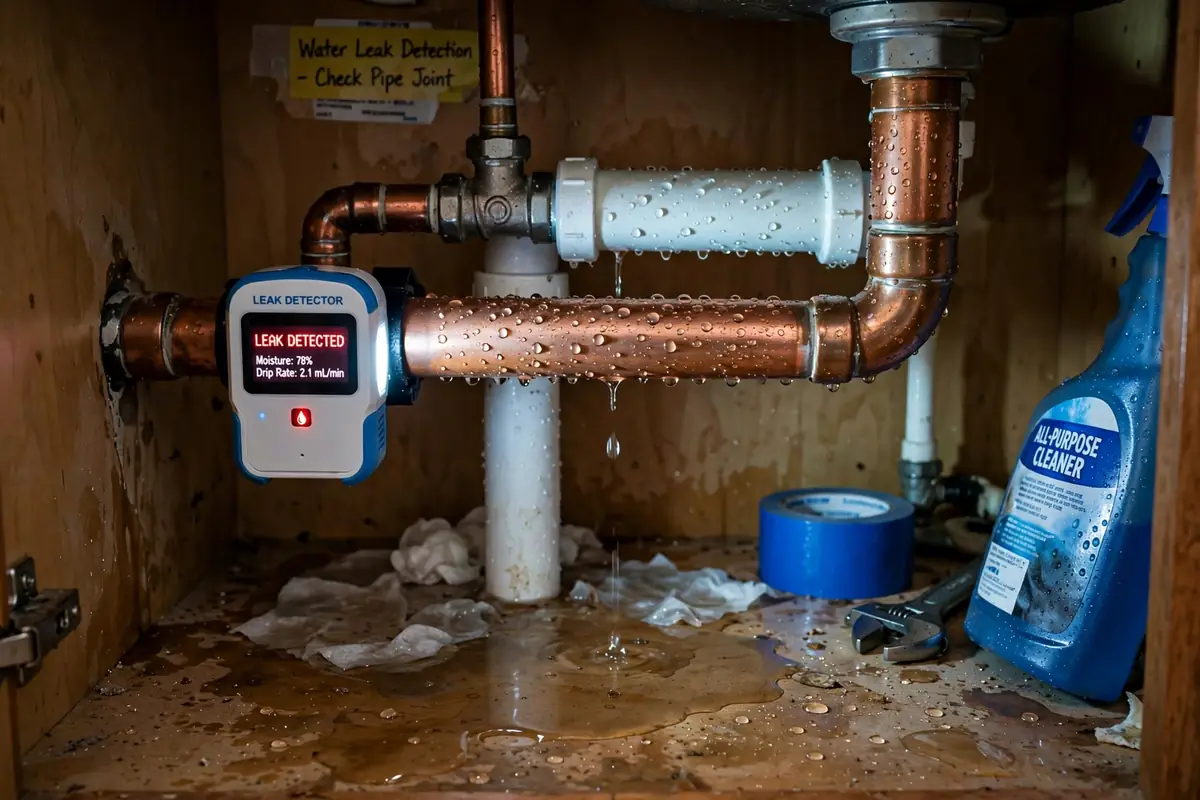
Bundle services. If the plumber is already there for a clog, ask about water heater maintenance or a water leak detection check. One trip charge covers multiple services.
Get the camera inspection. It feels like an upsell, but for main line issues it prevents paying for repeated cleanings that cannot fix a broken pipe. One $250 inspection can save $1,000 in futile snaking.
Preventing Future Clogs
The cheapest drain cleaning is the one you never need. Install mesh screens on every drain ($5 each). Scrape plates into the trash before washing — garbage disposals handle small scraps, not full meals (see our garbage disposal repair guide in USA for what yours can handle). Run hot water for 30 seconds after each sink use. Flush only toilet paper. Have trees near your sewer line inspected every few years.
For homes with recurring issues, consider a preventive hydro jetting every 2 to 3 years ($400–$600) — far cheaper than emergency calls and pipe replacement. And if your plumbing is 40+ years old, a professional assessment for repiping may be the most economical long-term move.
Frequently Asked Questions
How long does professional drain cleaning take?
Simple sink or tub clogs: 30–60 minutes. Kitchen sinks: 45–90 minutes. Main line snaking: 1–2 hours. Hydro jetting: 2–3 hours including setup and camera verification.
Will drain cleaning damage my pipes?
Proper snaking by a professional rarely damages sound pipes. Hydro jetting is safe for PVC, cast iron, and concrete pipes in good condition, but can damage fragile clay or Orangeburg pipes — which is why camera inspection comes first with reputable companies.
How often should drains be professionally cleaned?
Most homes never need scheduled drain cleaning with good habits. Homes with large trees near sewer lines, older pipes, or heavy grease output benefit from inspection every 1–2 years and preventive jetting every 2–3 years.
Understanding the drain cleaning cost in USA markets helps you budget wisely and recognize when a quote is fair — or when a “simple clog” is really a symptom of something bigger. Keep up with prevention, act quickly on warning signs, and you will keep your drains flowing and your wallet intact.
If slow drains signal a failing septic system rather than a clog, see our 2026 septic system replacement cost guide.