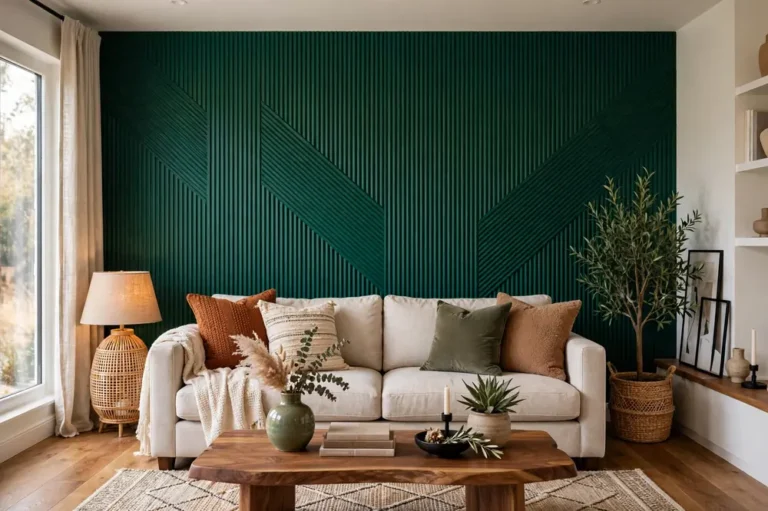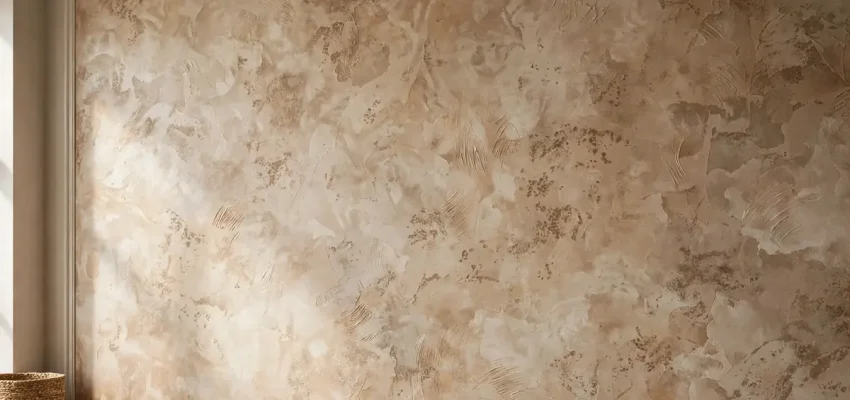

If you want to give your walls a custom, high-end look without paying designer prices, faux finish painting techniques offer one of the most creative ways to transform any room in your USA home. From subtle Venetian plaster to dramatic color washing, these decorative painting methods can make ordinary drywall look like marble, aged plaster, suede, or weathered wood. Modern products and tools have made faux finishes accessible to DIYers and professionals alike.
Unlike a standard flat coat of paint, faux finishes add texture, depth, and visual interest that can elevate a plain room into something truly special. Whether you are updating a single accent wall or giving your entire living room a makeover, understanding faux finish painting techniques helps you choose the right method for your skill level, budget, and style. This guide covers the most popular techniques used across the USA, what they cost, which tools you need, and when it makes sense to hire a professional.
What Are Faux Finish Painting Techniques?
Faux finish painting techniques are decorative methods that mimic the appearance of materials like marble, stone, wood, fabric, or aged plaster using layers of paint, glaze, and specialty tools. The word “faux” comes from the French word for “false,” but there is nothing cheap-looking about a well-executed faux finish. When done right, these techniques create rich, dimensional surfaces that become the focal point of a room.
These techniques range from beginner-friendly methods like sponging and rag rolling to advanced artistry like Venetian plaster and trompe l’oeil murals. Some faux finish painting techniques work beautifully as an accent wall behind a bed or fireplace, while others suit entire rooms in homes with traditional or Mediterranean styling. The key is matching the technique to your home’s architecture and your personal taste.
Before you pick up a brush, it helps to understand basic paint preparation. Our guide on how to prepare walls for painting walks through cleaning, patching, and priming steps that are essential for any decorative finish. Skipping prep work is the number one reason faux finishes fail or look amateurish.
Popular Faux Finish Painting Techniques for USA Homes
Sponging
Sponging is one of the easiest faux finish painting techniques for beginners. You apply a base coat of paint, then use a natural sea sponge dipped in a contrasting glaze color to dab random patches across the surface. The result is a soft, mottled texture that adds depth without overwhelming the room. Sponging works well in bedrooms, dining rooms, and powder rooms across USA homes.
For best results, choose two colors in the same family — a medium base with a slightly darker or lighter glaze on top. Practice on a poster board first to get the pressure and spacing right. A gallon of base paint plus a quart of glaze typically covers an average accent wall for under $75 in materials. If you are painting the whole room, review our interior house painting cost in USA 2026 guide to budget the full project.
Rag Rolling
Rag rolling creates a soft, fabric-like texture by rolling a bunched-up cotton rag over wet glaze. This is one of the most forgiving faux finish painting techniques because the random pattern hides mistakes naturally. It works especially well in traditional and farmhouse-style USA homes, adding a cozy, lived-in feel to living rooms and bedrooms.
Apply your base coat and let it dry completely, then roll on a thin layer of glaze mixed with paint in your chosen color. While the glaze is still wet, roll the bunched rag in random directions, twisting as you go. Rinse or replace the rag when it becomes saturated. Cotton t-shirts or cheesecloth work best — avoid synthetic fabrics that leave lint behind.
Color Washing
Color washing produces a soft, cloudy effect reminiscent of old-world European plaster walls. This technique involves brushing a translucent glaze over a base coat in random, overlapping strokes. It is one of the most elegant faux finish painting techniques for dining rooms, entryways, and master bedrooms in USA homes with Mediterranean or Tuscan styling.
The secret to good color washing is keeping a wet edge and working in small sections so the glaze does not dry before you blend it. Use a large, soft-bristled brush and apply the glaze in X-shaped strokes for a natural look. Two to three layers deepen the effect. Because color washing is translucent, wall imperfections can show through — proper prep from our wall preparation guide is critical.
Venetian Plaster
Venetian plaster is the most luxurious of all faux finish painting techniques. This centuries-old Italian method uses thin layers of lime-based plaster, burnished to a smooth, marble-like sheen. In high-end USA homes, Venetian plaster appears in foyers, formal dining rooms, and luxury bathrooms where its depth and glow create a stunning impression.
This advanced technique is best left to professionals. Professional application typically costs $8 to $15 per square foot in the USA — significantly more than standard painting. For comparison on professional painting rates, see our how to choose a house painter in USA guide. The investment pays off in a finish that looks like polished stone and lasts for decades.
Strié (Dragging)
Strié, from the French word for “stripe,” creates fine vertical lines that resemble silk or linen fabric. You brush glaze over a base coat, then drag a dry brush vertically through the wet glaze to create delicate streaks. Among faux finish painting techniques, strié is one of the best for making low ceilings feel taller, which is why it is popular in USA apartments and condos.
Work in vertical sections about two feet wide with a long-bristled dragging brush for the cleanest lines. This technique suits formal dining rooms and home offices.
Crackle Finish
Crackle finish mimics the aged, weathered look of old paint on antique furniture and woodwork. A special crackle medium applied between two coats of paint causes the top coat to split into fine cracks, revealing the base color beneath. While most often used on furniture and cabinets — see our cabinet painting cost in USA guide — crackle is one of the faux finish painting techniques that also works on accent walls in cottage and shabby-chic USA interiors.
The size of the cracks depends on how thickly you apply the crackle medium — thin coats create fine cracks, thick coats create large ones. This technique works best with contrasting colors, like cream over dark brown for an aged look. If you are updating cabinetry too, check our how to paint kitchen cabinets guide for complementary projects.
Faux Finish Painting Techniques: Cost Breakdown
DIY faux finishes are surprisingly affordable. Most faux finish painting techniques require only base paint, glaze, and basic tools you may already own. Expect to spend $50 to $150 in materials for a single accent wall, or $200 to $400 for an average-sized room. Specialty products like Venetian plaster mix or metallic glazes cost more but still keep DIY projects under $500.
Hiring a professional decorative painter changes the math significantly. In the USA, professional faux finish work typically runs $5 to $15 per square foot depending on the technique’s complexity. A single accent wall (about 100 square feet) might cost $500 to $1,500 professionally done, while a full room can run $2,000 to $5,000. Venetian plaster and hand-painted murals sit at the top of the range.
When comparing quotes, ask painters to show you physical samples or photos of completed projects using the specific technique you want. Faux finishing is an art, and skill levels vary enormously. Our guide to choosing a house painter includes vetting questions that apply to decorative specialists too. Always get the technique, colors, and number of coats specified in writing before work begins.
Best Rooms for Faux Finishes in USA Homes
Not every room suits every technique. Dining rooms and formal living areas handle dramatic faux finish painting techniques like Venetian plaster or rich color washing beautifully. These spaces are meant to impress, and a textured wall becomes a conversation piece. Bedrooms suit softer techniques like sponging, rag rolling, or strié that create a calm, cocooning atmosphere.
Powder rooms are ideal for experimenting with bold faux finishes because the small space keeps material costs low and the impact high. A dramatic metallic glaze or dark color wash in a powder room feels luxurious and intentional. Entryways and foyers also benefit from faux finishes that set the tone for the rest of the home.
Be cautious with faux finishes in kitchens and bathrooms where moisture and grease are factors. If you want decorative walls in these spaces, use techniques sealed with a clear protective topcoat, and ensure good ventilation. For bathroom-specific guidance, our paint sheen guide explains which finishes hold up best in humid environments.
Tools and Materials You Will Need
Most faux finish painting techniques share a common toolkit: quality base paint, tinted glaze (or glaze base you tint yourself), natural sea sponges, cotton rags, specialty brushes, painter’s tape, drop cloths, and sample boards for practice. Glaze is the key ingredient — it extends working time so you can manipulate the finish before it dries, which is essential for blending and layering effects.
Buy more glaze than you think you need. Running out mid-wall creates visible seams where the new batch overlaps the dried section. For an average accent wall, plan on one gallon of base paint and one to two quarts of glaze. Specialty tools like dragging brushes, stippling brushes, or plaster trowels add $15 to $40 each but make a real difference in the final result.
Always practice your chosen technique on a large sample board before touching the wall. This lets you refine your pressure, test color combinations in your actual lighting, and build confidence. Many USA paint stores sell pre-primed sample boards specifically for this purpose. Take your time — the practice board is where you make mistakes, not on your living room wall.
Common Mistakes to Avoid
The biggest mistake with faux finish painting techniques is choosing colors with too much contrast for the space. What looks exciting on a small sample can feel overwhelming on four walls. When in doubt, go subtler than your instinct suggests, especially for large areas. You can always add a second layer to deepen the effect, but toning down an overly bold finish means starting over.
Another common error is working too large an area at once. Glaze dries faster than you expect, particularly in warm, dry USA climates or air-conditioned rooms. Work in sections no larger than three to four feet square, maintaining a wet edge as you go. If the glaze starts to tack up before you finish a section, stop and let it dry completely, then start fresh on the next section.
When to Hire a Professional
DIY-friendly faux finish painting techniques include sponging, rag rolling, basic color washing, and simple strié. These methods are forgiving and the materials are inexpensive, so even a first attempt usually looks decent. If you enjoy hands-on projects and have a free weekend, these techniques are very achievable.
Call a professional for Venetian plaster, hand-painted murals, complex multi-layer finishes, or any technique on high ceilings, stairwells, or exterior surfaces. Also consider hiring out if you are on a tight timeline — what takes a pro two days might take a DIYer two weekends. For older homes, have the walls tested for lead paint before any sanding or scraping; our lead paint testing guide for older homes explains the process and regulations.
Whether you DIY or hire a pro, faux finish painting techniques offer one of the most cost-effective ways to add character and value to your USA home. A single accent wall can transform a room’s entire feel for less than the cost of new furniture. Choose colors that complement your existing decor — our best paint colors for resale value in USA guide helps you pick wisely — practice your technique, and enjoy creating walls that are genuinely one of a kind.