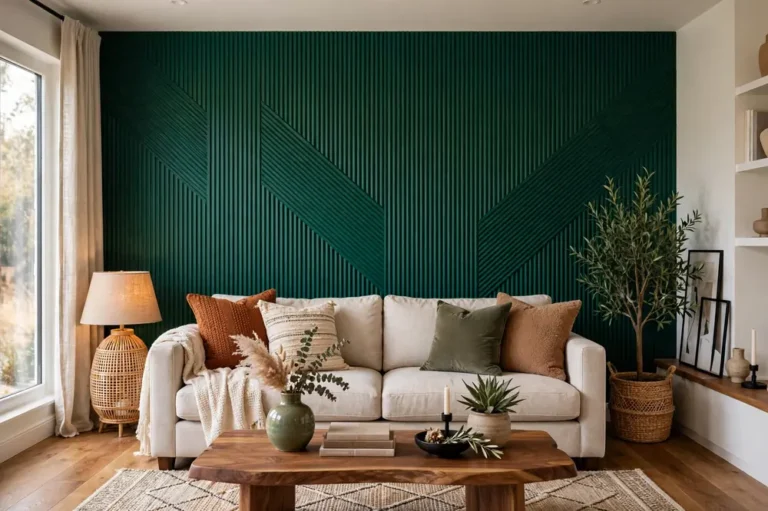
Staring at dated floral wallpaper that screams 1985? Learning how to remove wallpaper properly is the essential first step before you can enjoy fresh, modern walls. While it might seem like a simple peel-and-go job, wallpaper removal can range from a satisfying afternoon project to a multi-day battle depending on the wallpaper type, how it was installed, and what is underneath. Once the walls are bare, our accent wall ideas that add value USA guide offers inspiring next steps.
This comprehensive guide on how to remove wallpaper covers every method used by USA homeowners and professionals — from simple dry stripping to steaming stubborn vinyl — plus how to handle common problems like leftover adhesive, damaged drywall, and painted-over wallpaper. With the right approach and a little patience, you can get your walls paint-ready without calling in a pro.
How to Remove Wallpaper: Know Your Wallpaper Type First
Before you learn how to remove wallpaper from your specific walls, identify what you are dealing with. The removal method depends entirely on the wallpaper type. Peel-and-stick wallpaper, popular in USA rentals and kids’ rooms, pulls off cleanly by hand — start at a corner and peel slowly at a low angle. If it comes off easily, you are done in minutes.
Traditional paper wallpaper is the easiest of the permanent types to remove. It is porous, so water and removal solutions soak through readily. Vinyl wallpaper has a plastic coating that resists moisture — you will need to score it first so solution can penetrate to the adhesive layer. Foil wallpaper is the toughest, with a metallic surface that blocks moisture completely and often requires steaming. For color inspiration once your walls are bare, see our best paint colors for resale value USA guide.
Also check how many layers you have. USA homes built before the 1980s sometimes have three or four layers of wallpaper stacked up, each requiring separate removal. Test an inconspicuous corner: if the top layer peels but reveals another pattern underneath, you are in for a longer project. Patience and the right method for each layer are key to how to remove wallpaper successfully in older homes. Homes from this era should also review our lead paint testing for older homes USA guide before disturbing old finishes.
Tools You Need to Remove Wallpaper
Every method for how to remove wallpaper shares a basic toolkit: a wide putty knife or wallpaper scraper (plastic is gentler on drywall than metal), a scoring tool for vinyl or foil papers, a spray bottle or pump sprayer, drop cloths, a step ladder, trash bags, and sponges. For larger jobs, a wallpaper steamer rental ($50–$75 per day at USA home improvement stores) is worth every penny.
For removal solutions, you have options. Commercial wallpaper removers like DIF concentrate work well and are enzyme-based, making them safer than harsh chemicals. A DIY solution of equal parts white vinegar and hot water is effective on standard paper wallpaper and costs almost nothing. Fabric softener mixed with hot water is another popular USA home remedy, though it can leave residue that needs extra rinsing. Avoid anything with harsh solvents unless you are dealing with truly stubborn adhesive.
How to Remove Wallpaper Step by Step
Step 1: Prep the Room
Any guide to how to remove wallpaper starts with room prep. Remove outlet and switch covers, tape over the outlets themselves to keep moisture out, and lay drop cloths to protect floors from soggy wallpaper scraps and drips. Move furniture away from walls or cover it. Turn off power to the room at the breaker if you will be using a lot of water or a steamer near outlets.
Step 2: Test a Corner
Start in the least visible corner. Try peeling the wallpaper dry — grip a loose edge and pull slowly downward at a sharp angle. If it comes off cleanly in large sheets, you have strippable wallpaper and the job will be quick. If it tears into small pieces or will not budge, you need moisture and possibly scoring. This test tells you which version of how to remove wallpaper applies to your walls.
Step 3: Score Vinyl or Foil Wallpaper
If water beads up on the wallpaper surface instead of soaking in, you are dealing with vinyl or foil. Run a scoring tool (like a Paper Tiger) in light, overlapping circles across the entire surface. Press firmly enough to perforate the coating but gently enough not to gouge the drywall underneath. Proper scoring is the difference between a two-hour job and a two-day ordeal when learning how to remove wallpaper from coated surfaces.
Step 4: Apply Removal Solution
Mix your removal solution and apply it generously with a spray bottle, sponge, or pump sprayer, working in sections about four feet wide. Saturate the wallpaper thoroughly — you want it dripping wet. Let the solution soak for 10 to 15 minutes so it can dissolve the adhesive. For tough jobs, cover the wet section with plastic sheeting to keep it moist longer, which dramatically improves results.
Step 5: Scrape Off the Wallpaper
Starting at a seam or loose edge, slide your putty knife under the wallpaper at a low angle and push forward gently. Work in small sections, re-wetting areas that dry out before you reach them. The paper backing layer often separates from the decorative face — remove the face first, then re-wet and scrape the backing. Keep your scraper blade flat against the wall to avoid gouging the drywall.
Step 6: Remove Leftover Adhesive
This step separates amateur and professional results in how to remove wallpaper. After the paper is gone, the wall will feel sticky or slimy — that is leftover paste that must come off before painting. Wash the walls with a solution of hot water and TSP substitute, using a sponge and working top to bottom. Rinse with clean water. Run your hand over the dried wall; if it is still tacky or rough, wash again. Paint applied over old adhesive will bubble, crack, or fail to adhere.
How to Remove Wallpaper with a Steamer
For stubborn wallpaper that resists chemical methods, a steamer is the nuclear option in how to remove wallpaper. Fill the steamer, let it heat up, then hold the steam plate against the wallpaper for 10 to 15 seconds per section. The steam penetrates through to the adhesive, softening it so the paper scrapes off easily. Work methodically across the wall, steaming then immediately scraping each section.
Steamers excel on vinyl wallpaper, multiple layers, and wallpaper applied over unprimed drywall — the toughest scenarios. Be careful not to hold the steamer in one spot too long, as excessive heat and moisture can damage drywall, especially the paper facing. Keep a scraper in your other hand and work efficiently. Most USA tool rental shops carry wallpaper steamers, and the $50–$75 daily rental pays for itself in saved time and frustration.
Dealing with Painted-Over Wallpaper
One of the trickiest situations in how to remove wallpaper is discovering that a previous homeowner painted right over it. The paint seals the wallpaper, blocking moisture from reaching the adhesive. Start by scoring aggressively through the paint layer, then use the steamer method — steam is usually the only thing that penetrates painted wallpaper effectively.
In some cases, painted wallpaper is so well-adhered that removal damages the drywall beyond reasonable repair. If you are spending hours on a single wall with poor results, consider the alternative: skim-coating over the wallpaper with joint compound to create a smooth paintable surface. This is a legitimate professional technique for truly stuck wallpaper. Our wall preparation guide covers skim-coating basics if you go this route.
Repairing Walls After Wallpaper Removal
Once you know how to remove wallpaper, you need to know how to fix what is left behind. Minor nicks and gouges from scraping are normal — fill them with lightweight spackle, let dry, and sand smooth with 120-grit sandpaper. Larger damaged areas where the drywall paper facing tore off need a coat of oil-based or shellac primer to seal the exposed gypsum before patching; otherwise, joint compound will bubble.
After repairs, prime the entire wall with a quality drywall primer. Wallpaper removal often leaves walls with varying porosity — bare drywall spots absorb paint differently than areas with old adhesive residue, causing flashing (uneven sheen) in the final paint job. A full coat of primer equalizes the surface. For paint selection after your walls are ready, our interior painting cost guide and paint sheen guide help you choose the right products.
How to Remove Wallpaper Border
Wallpaper borders, popular in USA homes through the 1990s and 2000s, follow the same removal principles on a smaller scale. Because borders are narrow, they are actually easier — less surface area to score, soak, and scrape. Use the same wet-and-scrape method, working in three-foot sections. Borders in kitchens and bathrooms may have extra adhesive from humidity exposure, so be patient with soaking time. If you are updating the kitchen beyond the walls, our how to paint kitchen cabinets USA guide pairs well with this project.
If the border was applied over painted walls (common), it usually comes off more easily than full-wall wallpaper applied directly to drywall. After removal, wash off adhesive, patch any damage, spot-prime, and touch up with matching wall paint. In many cases, border removal alone modernizes a room enough that full repainting is not urgent.
When to Call a Professional
Most homeowners can handle how to remove wallpaper as a DIY project, but consider hiring a pro if: you have multiple rooms with stubborn vinyl or foil wallpaper; the wallpaper was applied over unprimed drywall (extremely difficult to remove without damage); you discover painted-over wallpaper across large areas; or you lack the time for what could be a multi-day project. Professional wallpaper removal in the USA typically costs $1 to $3 per square foot.
A professional brings commercial steamers, experience with tricky situations, and the ability to repair damaged drywall on the spot. Get quotes from painters who specifically list wallpaper removal as a service — not all painters do it. Our how to choose a house painter guide includes questions that help you vet contractors for this specialized work.
Learning how to remove wallpaper is a rite of passage for USA homeowners updating older homes. Start with a test corner, match your method to the wallpaper type, be generous with soaking time, and never skip the adhesive removal step. With patience and the right technique, those dated walls will be a distant memory — and a fresh coat of paint away from a whole new look. For exterior transformations to match, our exterior house painting cost USA 2026 and front door painting USA guides complete the picture.