
Carbon monoxide is called the silent killer for a reason: you cannot see it, smell it, or taste it, yet it sends tens of thousands of USA residents to emergency rooms every year and kills hundreds. Proper carbon monoxide detector installation is one of the simplest and most important safety upgrades any homeowner can make, and it takes less than an hour in most homes.
Whether you heat with gas, oil, or wood, run a gas water heater or stove, or park cars in an attached garage, your home has potential sources of carbon monoxide. In this guide, you will learn exactly where to place detectors, how to install them step by step, what USA state laws require, how to maintain them, and what to do the moment an alarm sounds.
Why Every USA Home Needs Carbon Monoxide Detectors
Carbon monoxide (CO) is produced whenever fuel burns incompletely. Furnaces, boilers, gas water heaters, gas stoves, fireplaces, wood stoves, portable generators, and even cars idling in an attached garage all produce it. Normally, these appliances vent CO safely outside. But a cracked heat exchanger, blocked flue, backdrafting chimney, or generator running too close to the house can let the gas build up indoors.
Because CO is colorless and odorless, you will not notice it accumulating. Early symptoms mimic the flu: headache, dizziness, nausea, and confusion. At higher concentrations, it causes loss of consciousness and death, sometimes within minutes. Detectors are the only reliable early warning, which is why most USA states now require them in homes with fuel-burning appliances or attached garages. Even where not legally required, fire safety organizations recommend them in every home. If your heating equipment is aging, review our HVAC maintenance checklist to keep combustion appliances running safely.
Where to Install Carbon Monoxide Detectors
Placement matters more than most homeowners realize. Install a CO detector on every level of your home, including the basement. Place one outside each separate sleeping area, so the alarm will wake everyone at night. If your home has an attached garage, put a detector in the room adjacent to the garage or in the hallway leading from it, since car exhaust is a common CO source.
Mount detectors on the wall about five feet from the floor, or on the ceiling, following the manufacturer’s instructions. Keep them at least 15 feet away from fuel-burning appliances so normal small puffs of CO at startup do not cause nuisance alarms, but do not place them in the garage itself, where car exhaust would trigger constant false alarms. Avoid kitchens, bathrooms, and very humid or dusty areas, and keep detectors away from direct sunlight and HVAC supply vents that could interfere with sensing. Do not place them behind furniture or curtains where airflow is blocked. One detector in a large home is not enough: sound does not carry reliably through closed doors, so each sleeping zone needs its own.
Choosing the Right Detector
Look for detectors certified to the UL 2034 safety standard, which is marked on the packaging. This certification means the alarm has been tested to sound at the right CO concentrations and response times. Battery-powered, plug-in with battery backup, and hardwired models are all available.
Battery-powered units are the easiest to install anywhere and work during power outages, which matters because storms that knock out power are exactly when people run generators and make CO mistakes. Plug-in models with battery backup are convenient for hallways with available outlets. Hardwired models with battery backup, often combined with smoke detection, are common in new construction and can interconnect so all alarms sound together. Combination smoke and CO alarms save space and are widely available, but make sure the unit is explicitly rated for both. Digital display models that show current CO levels in parts per million are useful for diagnosing low-level problems before they become emergencies. Expect to replace any detector after its rated lifespan, typically seven to ten years; the unit will chirp or display an end-of-life warning when its sensor expires.
Step-by-Step Carbon Monoxide Detector Installation
Installing a battery-powered or plug-in detector is a simple DIY project. Start by reading the manufacturer’s instructions completely, since placement details and mounting hardware vary by model.
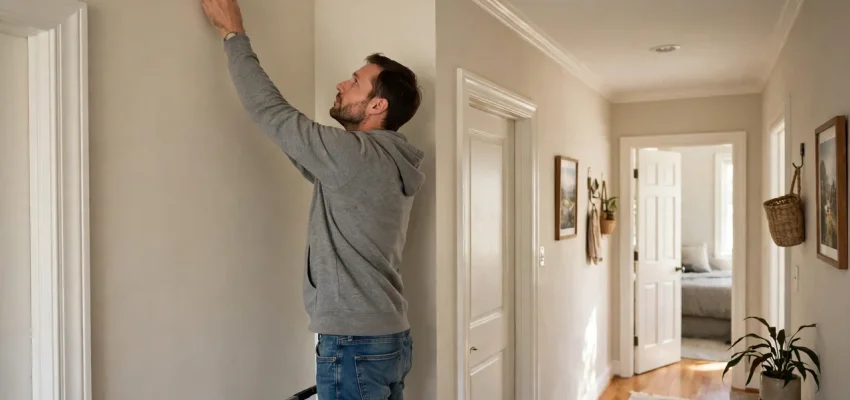
For a wall-mounted battery unit, hold the mounting bracket against the wall at the chosen location, about five feet high in a hallway outside the bedrooms. Mark the screw holes with a pencil, checking with a small level so the bracket sits straight. Drill pilot holes, insert wall anchors if you are mounting into drywall, and screw the bracket firmly in place. Install the batteries, attach the detector to the bracket with a twist or slide motion, and press the test button to confirm the alarm sounds loudly. For a plug-in model, simply plug it into an outlet at the right location, keeping in mind that outlets are low on the wall; many plug-in models are designed to work at outlet height, so follow the manufacturer’s guidance.
Hardwired installation involves household electrical wiring and is best left to a licensed electrician unless you are experienced and comfortable working with circuits. The power must be off at the breaker, and local electrical codes may require specific wiring methods. When hiring for this or any electrical work, use the same care you would when finding a reliable electrician. After any installation, test every detector with its test button, and walk through the house to confirm you can hear each alarm from behind closed bedroom doors.
State Laws and Requirements
CO detector requirements vary by state, but the trend is clear: most states now mandate detectors in residential buildings that contain fuel-burning appliances, fireplaces, or attached garages. Some states extend the requirement to all rental properties regardless of fuel type, and a growing number require them in every dwelling unit.
Landlords in most states must install and maintain detectors in rental units, while tenants are typically responsible for notifying landlords of problems and not tampering with the devices. If you are buying or selling a home, know that many states require working CO detectors as a condition of sale, and home inspectors routinely flag missing detectors. Because laws change, check your current state and local requirements rather than relying on old information. Even if your state does not require detectors, install them anyway: the law is a minimum, not a safety recommendation. Homeowners reviewing their overall protection should also look at home warranty plans to understand what appliance breakdowns are covered.
Testing and Maintaining Your Detectors
Installation is only the beginning. Test every CO detector monthly by pressing and holding the test button until the alarm sounds. This verifies the horn, battery, and circuitry. Replace batteries at least once a year, or whenever the unit chirps to signal low battery. A good habit is replacing batteries when you change your clocks for daylight saving time.
Keep detectors clean by gently vacuuming the vents with a soft brush attachment every few months; dust buildup can reduce sensitivity. In carpeted homes that trap extra dust, check typical carpet cleaning costs as part of your dust-control routine. Never paint over a detector. Note the installation date on each unit with a marker so you know when its seven-to-ten-year lifespan ends, and replace expired units promptly rather than waiting for failure. If you have combination smoke and CO units, the same maintenance covers both functions. Regular upkeep of safety devices goes hand in hand with general home maintenance like house cleaning services that keep vents and appliances dust-free.
What to Do If the Carbon Monoxide Alarm Sounds
Take every alarm seriously. If the CO alarm sounds, do not ignore it and do not try to find the source first. Get everyone, including pets, out of the house immediately into fresh air. Once outside, call 911 or your local fire department’s emergency number and report a possible carbon monoxide emergency.
Do not re-enter the home until emergency responders say it is safe. Firefighters carry professional CO meters and will check concentrations throughout the house and identify the source. If someone shows symptoms like headache, dizziness, nausea, or confusion, tell the dispatcher so medical help is ready. After the emergency, have a qualified technician inspect all fuel-burning appliances before using them again; the alarm may have caught a cracked furnace heat exchanger or blocked flue that needs repair. Never disable a detector because of nuisance alarms. Instead, relocate it farther from the appliance or have the appliance serviced, since repeated alarms near a furnace or water heater can signal a real venting problem. Gas appliance issues deserve professional attention, so review gas line installation safety information and call a licensed pro.
Common Installation Mistakes to Avoid
The most common mistake is installing too few detectors. A single unit in the hallway outside the master bedroom leaves the basement, the garage-adjacent rooms, and distant bedrooms unprotected. Another frequent error is placing detectors too close to fuel-burning appliances, which causes nuisance alarms that tempt people to disable the unit.
Do not install detectors in dead-air spaces like the peak of a vaulted ceiling far from walls, inside cabinets, or behind heavy furniture. Do not rely on a detector past its expiration date: an expired sensor may stay silent during a real emergency. And do not assume a new appliance is automatically safe. Even new furnaces and water heaters can develop venting problems, which is why detectors and regular servicing both matter. If your water heater is due for replacement, compare water heater replacement costs and consider efficient options like the systems in our heat pump water heater and tankless water heater cost guides.
Conclusion
Carbon monoxide detector installation is a small project with life-saving stakes. Place certified detectors on every level, outside each sleeping area, and near the attached garage; test them monthly; replace batteries yearly; and replace the units when they expire.
Never ignore an alarm: get out, call 911, and let professionals find the source. Pair your detectors with regular servicing of furnaces, water heaters, and fireplaces, solid door locks (see typical locksmith service costs), and your home will be protected against dangers you can never see coming.